






































Pneumatic Stop Valve for Industrial Flow Control

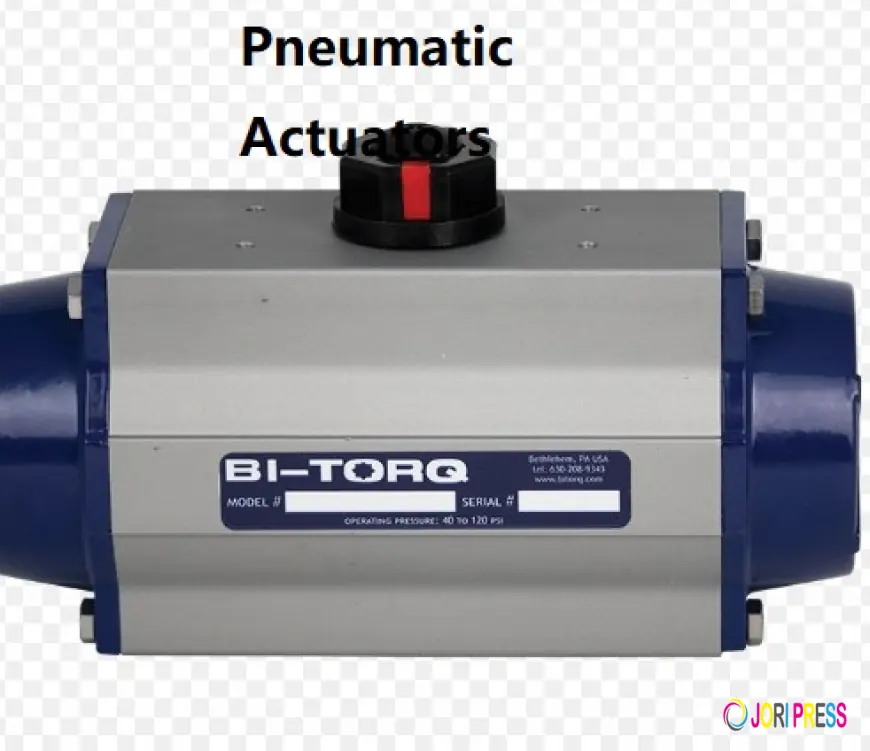
In fluid handling systems, controlling when a medium moves or stops is essential for safe, organized operation. A Pneumatic Stop Valve can be considered when engineers need pneumatic actuation within an automated flow-control arrangement, while selecting a Pneumatic Stop Valve requires attention to pressure conditions, connection standards, control signals, and the characteristics of the medium. Looking beyond basic dimensions helps buyers find a configuration that fits their equipment, supports practical operation, and simplifies future maintenance.
Understanding the Role of Stop Valves
Stop valves help regulate the movement of fluids through a pipeline or connected piece of equipment. In systems using pneumatic actuation, compressed air provides the force needed to operate the valve according to the selected control arrangement. This can be useful in automated production environments where equipment needs to respond to coordinated signals rather than relying entirely on manual operation.
The correct valve design depends on the intended function. Some applications prioritize straightforward shutoff, while others require the valve to work within a broader sequence involving sensors, actuators, and control units. Buyers should confirm the product's actual operating function with its technical documentation instead of assuming that every stop valve supports the same control behavior.
Understanding the application first gives engineers a clearer starting point for evaluating available models and avoiding unnecessary features.
Evaluating Pressure and Medium Compatibility
Working conditions play a major role in valve selection. Before requesting a quotation, identify the normal operating pressure, possible pressure variations, temperature range, and properties of the medium. These details help determine whether a proposed valve is suitable for the intended installation.
Material compatibility deserves equal attention. Different fluids and gases can interact differently with valve bodies, seals, and other internal components. Moisture, particles, or demanding cleaning conditions may also influence the choice of materials and the expected maintenance schedule.
Connection dimensions and standards should match the existing system. Even a valve with suitable operating characteristics can create installation difficulties if its interfaces do not fit the pipeline or equipment. Providing accurate specifications to a supplier makes product evaluation more efficient and reduces the likelihood of avoidable modifications during installation.
Integrating Pneumatic Actuation Into Equipment
A pneumatic valve works as part of a larger operating arrangement, so actuator compatibility should be checked before purchasing. Engineers need to verify the required air supply, control interface, mounting configuration, and available installation space. These details are particularly important in production machinery where multiple components must operate in a defined sequence.
The control system also affects the selection process. Depending on the application, operators may need position feedback, automated switching, or coordination with other pneumatic devices. Buyers should establish these requirements early and confirm which functions the proposed assembly actually supports.
Installation planning should include access for inspection and replacement. Leaving enough room around connections and moving components can make routine servicing easier. A well-planned arrangement supports a more organized commissioning process and helps maintenance personnel work efficiently when adjustments are needed.
Wisley Pneumatic: Choosing According to Application Needs
When reviewing options from Wisley Pneumatic, procurement teams can prepare an application checklist covering operating conditions, connection requirements, actuation needs, and installation limitations. Sharing this information helps suppliers understand the intended use and recommend products for further technical evaluation.
It is also useful to discuss documentation, spare components, and maintenance recommendations before finalizing an order. These practical details can matter just as much as the initial purchase price, particularly for equipment manufacturers and distributors handling recurring projects.
Rather than selecting a valve based on a product name alone, compare the documented specifications with the demands of the actual system. This approach makes it easier to identify mismatches and choose equipment that aligns with operational priorities.
Maintaining Consistent Performance Over Time
After installation, a planned inspection routine can help identify signs of wear, leakage, loose connections, or irregular actuator movement. The inspection schedule should reflect the working environment, operating frequency, and manufacturer recommendations. Any unexpected behavior should be investigated promptly according to established maintenance procedures.
Maintenance personnel should also follow appropriate isolation and depressurization steps before working on pneumatic equipment. Recording inspections, adjustments, and component replacements creates a useful history that can inform future maintenance planning and purchasing decisions.
What's Your Reaction?
 Like
0
 Dislike
0
 Love
0
 Funny
0
 Angry
0
 Sad
0
 Wow
0