







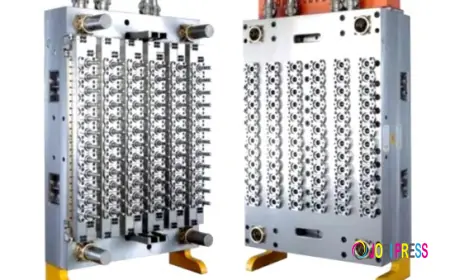
































Plastic Preform Moulds Factory at QHPreformmould

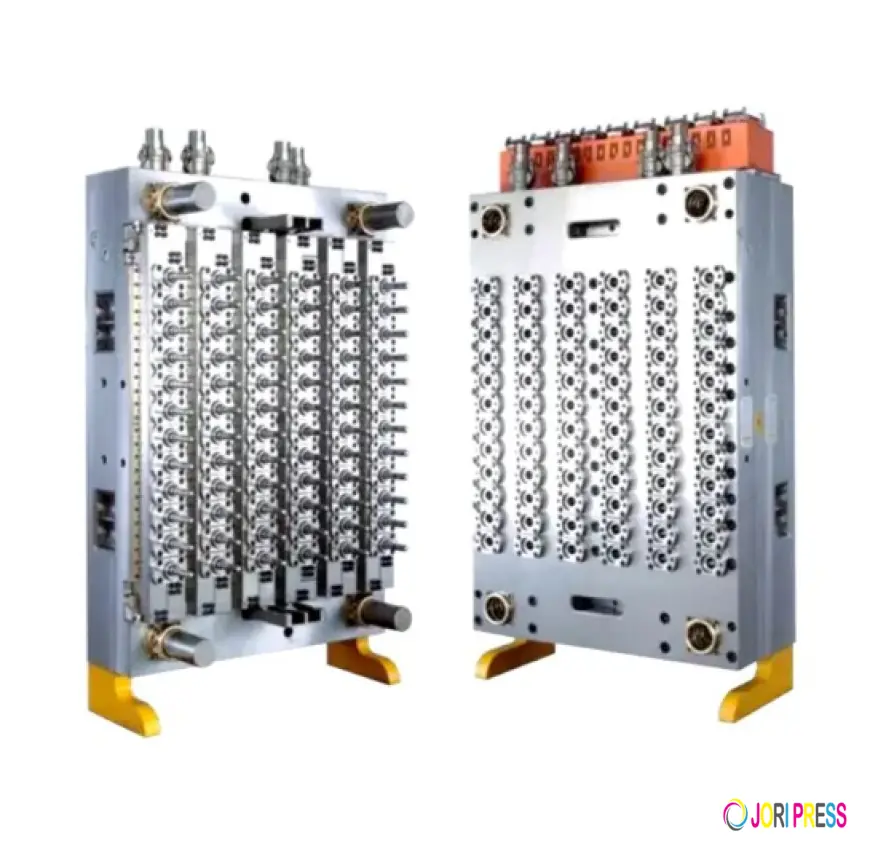
Plastic bottle manufacturing involves multiple production stages, and the quality of each component can influence the final packaging result. Choosing a suitable Plastic Preform Moulds Factory helps manufacturers develop tooling that matches different bottle structures, neck finishes, and production requirements. When evaluating a Plastic Preform Moulds Factory, buyers should also consider mold construction, cavity arrangements, processing compatibility, and maintenance requirements. A well-planned preform mold supports consistent component formation and gives packaging manufacturers greater flexibility when developing bottles for beverage, household, personal care, and industrial applications.
Multi-Cavity Design for Different Production Needs
Multi-cavity tooling is commonly used in plastic preform manufacturing because it allows several preforms to be produced during one injection cycle. However, designing a multi-cavity mold requires careful attention to cavity positioning, material distribution, and dimensional consistency.
The arrangement of cavities should correspond with the injection molding machine and the intended production process. A balanced layout helps distribute molten plastic throughout the mold and supports consistent filling conditions.
Another important consideration is the uniformity of individual preforms. Differences in dimensions or weight may affect subsequent bottle production, particularly during heating and stretching. Therefore, engineers need to evaluate cavity geometry and processing conditions together.
Manufacturers should also consider the accessibility of individual mold components. A practical structure can make inspection, cleaning, and maintenance more convenient during regular production operations.
Neck Finish Design and Closure Compatibility
The neck section of a plastic preform plays an important role in the final bottle's functionality. It determines how the bottle connects with caps, closures, and other packaging accessories.
Different applications may require different thread profiles, neck diameters, sealing surfaces, and supporting rings. Beverage bottles, for example, may use closure systems with specific sealing requirements, while other packaging products may require different opening structures.
During mold development, these details need to be accurately translated into the cavity design. Even small dimensional differences can influence closure compatibility and the assembly process.
It is therefore useful for buyers to provide detailed neck drawings or physical samples when discussing a new mold project. Early confirmation of these specifications helps reduce design misunderstandings and supports smoother tooling development.
QHPreformmould and Customized Production Solutions
Every bottle manufacturing project has its own combination of product dimensions, plastic materials, and equipment requirements. Customized tooling allows manufacturers to address these differences rather than depending entirely on standard mold configurations.
QHPreformmould provides plastic preform mold products for businesses exploring tooling solutions for different packaging applications. When preparing a customized project, customers should communicate their bottle design, preform dimensions, neck specifications, and expected production arrangements.
Mold construction also requires attention to steel selection, machining accuracy, component positioning, and surface processing. These elements influence the mold's operating characteristics and maintenance needs.
Technical communication is particularly valuable when a project involves unusual preform shapes or specific closure designs. Reviewing drawings and confirming important dimensions before machining begins can help establish a clearer manufacturing plan.
Injection Processing and Quality Control
The performance of preform tooling depends on the interaction between mold design and injection molding conditions. Material temperature, injection pressure, holding conditions, and cooling time all influence the final component.
If processing parameters are not properly coordinated, preforms may develop surface imperfections, dimensional variations, or internal stress. Manufacturers should therefore establish suitable processing conditions according to the selected plastic material and tooling structure.
Quality inspection should cover more than the external appearance. Important checkpoints may include preform weight, overall length, neck dimensions, thread details, and surface consistency.
Regular sampling during production helps identify changes in molding conditions. By recording inspection results and reviewing production feedback, manufacturers can make adjustments when necessary and maintain more consistent output.
Maintaining Tooling for Long-Term Manufacturing
Mold maintenance is an essential part of production management. Continuous operation exposes tooling components to heat, pressure, movement, and material residue, making regular inspection necessary.
Cleaning cavity surfaces helps prevent accumulated deposits from affecting the appearance of finished preforms. Moving components, guide systems, and cooling passages should also be checked according to the actual operating conditions.
A structured maintenance plan can help manufacturers identify wear before it causes production interruptions. Keeping records of inspections, repairs, and component replacements also makes future maintenance easier to organize.
What's Your Reaction?
 Like
0
 Dislike
0
 Love
0
 Funny
0
 Angry
0
 Sad
0
 Wow
0