


































Planning Printed Notepads for Workshops, Training Sessions and Conferences
Learn how to plan printed notepads for workshops, training sessions and conferences, including paper size, layout, branding, quantities and practical design tips in Dubai.
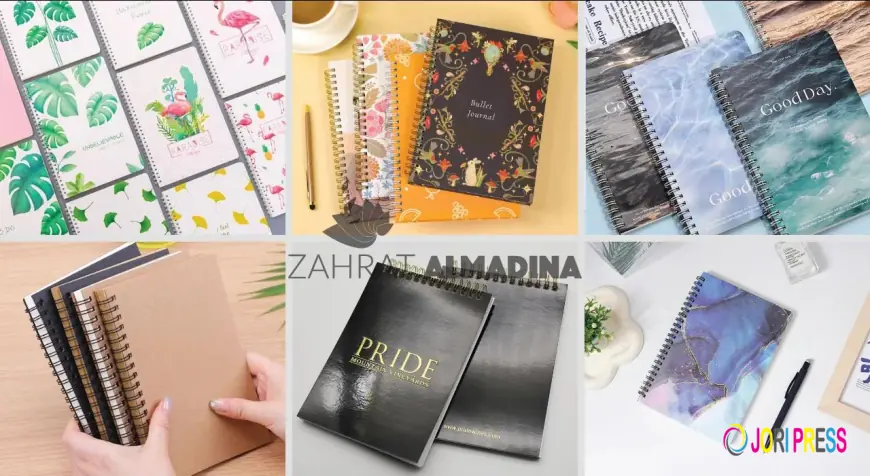
Workshops, training sessions, and conferences often involve presentations, discussions, group activities, and practical exercises. Participants may receive slides or digital resources, but having a notepad available makes it easier to record key points, write questions, and capture ideas during the event.
Printed notepads can also help organisers create a consistent experience for attendees. When planned properly, they provide useful stationery without adding unnecessary clutter to event materials. The important decisions include the notepad size, paper quality, page layout, quantity, and amount of branding.
For businesses and event organisers in Dubai, these choices should reflect the type of event, the needs of participants, and the budget available.
1. Match the Notepad to the Type of Event
The most useful notepad design depends on how participants will use it. A format that works for a full-day training session may not be necessary for a short conference or networking event.
Workshops and Practical Sessions
Workshops often involve brainstorming, exercises, planning, and group discussions. Participants may need more space to write than they would during a standard presentation.
A medium or larger notepad with a simple lined or blank layout can work well. If the workshop includes structured activities, organisers could also include sections for ideas, action points, and follow-up tasks.
Training Sessions
Training materials should support learning rather than distract from it. A straightforward layout with clear writing space is often sufficient for taking notes, recording examples, and listing questions.
For technical or professional training, organisers may want to include a small heading area for the session topic, date, or participant's name.
Conferences and Seminars
Conference attendees may carry several documents, business cards, and other materials throughout the day. A compact notepad can be easier to manage, particularly when participants move between rooms or sessions.
For multi-day conferences, a larger pad may be more suitable if attendees are expected to record detailed notes. The best choice depends on the schedule and the amount of writing participants are likely to do.
2. Choose the Right Size and Page Layout
Notepad dimensions affect portability, writing space, and printing costs. Before selecting a format, consider where participants will use the notepad and how much information they need to record.
Smaller notepads are easy to carry in folders, bags, and conference packs. Larger formats provide more room for diagrams, meeting notes, and detailed explanations.
The page layout deserves equal attention. Lined pages suit general note-taking, while blank pages are useful for sketches, mind maps, and brainstorming. Grid layouts can help with tables, calculations, and structured planning.
For a workshop that involves project planning, for example, a page divided into sections for ideas, decisions, and next steps may be more useful than a standard ruled page.
Avoid adding too many printed elements. Headers and section labels can improve organisation, but large logos or decorative graphics may reduce the space available for writing.
3. Select Paper That Suits Everyday Use
Paper quality affects how a notepad feels and performs. Participants should be able to write comfortably without excessive ink bleeding, tearing, or difficulty turning pages.
Consider the following factors when choosing paper:
-
Paper weight: The paper should feel suitable for the intended writing tasks without making the pad unnecessarily bulky.
-
Surface finish: A writing-friendly surface is generally more useful than a finish selected only for appearance.
-
Opacity: Paper that allows too much ink to show through may make the reverse side less comfortable to use.
-
Page count: The number of sheets should reflect the event's duration and expected note-taking needs.
-
Binding: Glue binding, spiral binding, or another suitable method should keep the pages together while allowing participants to use them easily.
For a short seminar, a modest page count may be sufficient. A multi-day workshop involving detailed exercises may require more pages. Testing a sample with common pens can help organisers assess the paper before placing a larger order.
4. Keep Branding Useful and Unobtrusive
Printed notepads can include a company logo, event title, date, or a short line of information. These details help connect the stationery with the event, but they should not interfere with its main purpose.
A simple logo in the header or footer is often enough. The writing area should remain clear, especially when participants need to take notes quickly during a presentation.
For a corporate training session, the organisation's logo and workshop title may be appropriate. For a public conference, the event name and date can help attendees identify the materials later.
Businesses arranging printed notepads in Dubai should prepare the artwork and confirm the intended dimensions before production. Checking the logo size, margins, spelling, and available writing area helps avoid design problems in the finished pads.
It is also worth considering whether the notepads will be reused after the event. Neutral layouts with limited event-specific information may remain useful for longer, reducing the likelihood that unused stationery will be discarded.
5. Estimate Quantities Before Placing an Order
Ordering too few notepads can create problems during registration, while ordering too many may leave organisers with unnecessary stock. A practical estimate starts with the number of expected attendees.
Consider the event format, confirmed registrations, staff requirements, and whether each participant will receive one notepad. A modest reserve can help accommodate late registrations or unexpected guests, but the size of that reserve should reflect the likelihood of changes.
For example, an invitation-only training session with confirmed attendance may need a smaller reserve than a public event where registrations can change close to the date.
If the organisation runs similar events regularly, ordering a suitable quantity of reusable, general-purpose stationery may be more practical than printing a completely new design for every session.
Always confirm production and delivery timelines in advance, particularly when the event has a fixed date.
6. Plan the Notepads as Part of the Event Pack
Notepads are often distributed alongside pens, agendas, name badges, folders, or other participant materials. Their size and binding should work with the rest of the pack.
A bulky notepad may not fit comfortably inside a slim folder, while a very small pad may be inconvenient for detailed workshop activities. Check the dimensions of the complete pack before finalising the stationery.
Organisers should also decide when the notepads will be distributed. Placing them on seats can save time during registration, while including them in welcome packs can make the materials easier to manage.
For multi-session events, organisers may want to include a programme or session title on the cover. However, avoid printing schedules or other details that may change after production unless there is enough time to update the artwork.
7. Review the Proof Before Printing
Before approving a full order, inspect the final proof carefully. Check the logo, colours, text, page margins, dimensions, binding position, and number of pages.
A printed sample is particularly helpful when paper feel, colour appearance, or writing performance matters. It also gives organisers an opportunity to test whether the layout leaves enough room for actual note-taking.
Businesses comparing local production options may consider Zahrat Al Madina Printing when researching a printing company dubai for event stationery. Comparing specifications, samples, turnaround times, and finishing options can help organisers choose an arrangement that meets the event's practical needs.
Conclusion
Planning printed notepads for workshops, training sessions, and conferences involves more than adding a logo to a stack of paper. The size, layout, paper quality, binding, quantity, and distribution method all affect how useful the finished stationery will be.
Start with the activities participants will perform, then choose a format that supports comfortable writing and fits the event pack. Confirm the artwork, test a sample when possible, and allow enough time for production. With these details considered early, notepads can become a practical part of the event rather than another item attendees leave behind.
What's Your Reaction?
 Like
0
Like
0
 Dislike
0
Dislike
0
 Love
0
Love
0
 Funny
0
Funny
0
 Angry
0
Angry
0
 Sad
0
Sad
0
 Wow
0
Wow
0