



































How Pediatric Rehabilitation Supports Child Development: A Practical Healthcare Perspective
Pediatric rehabilitation plays a critical role in supporting children with developmental, neurological, and physical challenges. Unlike general pediatric care, rehabilitation focuses on improving functional independence through structured therapy programs. This article explores how pediatric rehabilitation works, when it is needed, and how integrated therapy models help children achieve long-term developmental outcomes.

Understanding Pediatric Rehabilitation
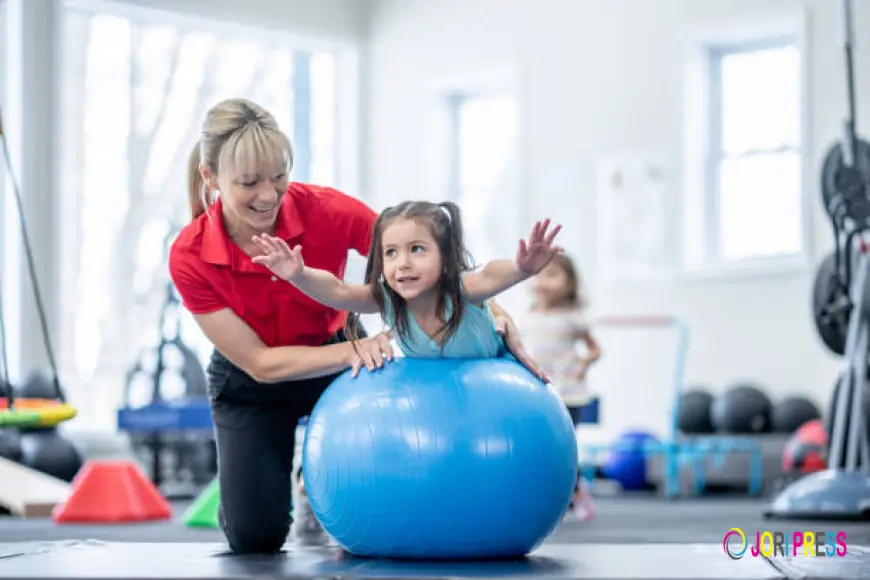
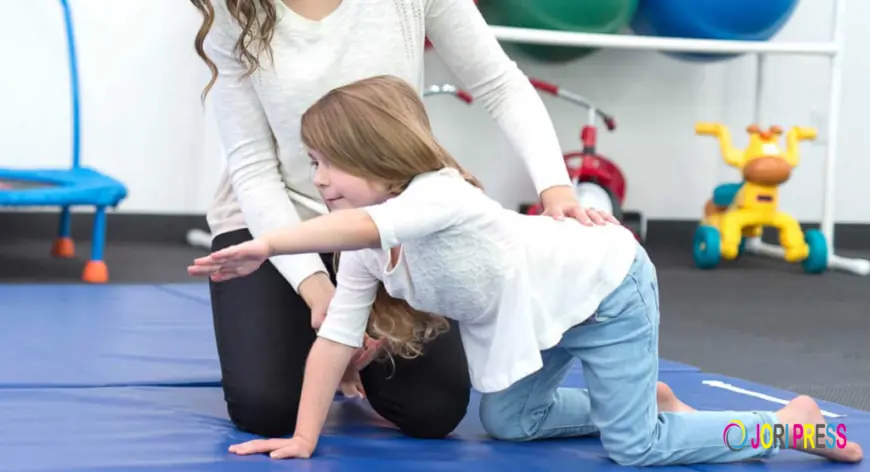
Pediatric rehabilitation is a multidisciplinary healthcare approach designed to help children develop essential motor, communication, cognitive, and behavioral skills. It is commonly recommended for children experiencing developmental delays, neurological conditions, or recovery after illness or injury.
The goal is not just symptom management, but helping children participate more independently in daily activities such as movement, communication, learning, and self-care.
When Is Pediatric Rehabilitation Recommended?
Healthcare professionals may suggest pediatric rehabilitation when a child shows:
-
Delayed physical or motor milestones
-
Speech and language development issues
-
Neurological impairments
-
Difficulty with balance, coordination, or posture
-
Feeding or swallowing challenges
Early intervention is often associated with better long-term developmental outcomes.
Core Therapies Used in Pediatric Rehabilitation
Pediatric Physiotherapy
Focuses on improving muscle strength, mobility, balance, and coordination through guided physical exercises.
Pediatric Occupational Therapy
Helps children develop fine motor skills, sensory processing, and independence in daily activities.
Speech and Swallow Therapy
Supports communication skills, articulation, language development, and feeding or swallowing safety.
Behavioral and Developmental Support
Addresses attention, learning behaviors, emotional regulation, and social interaction skills.
Why an Integrated Therapy Model Matters
Research and clinical experience show that children benefit most when therapies are delivered through a coordinated, multidisciplinary approach. Collaboration between therapists, physicians, and caregivers ensures consistency and measurable progress.
Specialized rehabilitation hospitals, such as Veritas Medical Rehabilitation Hospitals in Hyderabad, follow integrated care models where multiple therapies are aligned under one treatment plan—allowing for better functional outcomes.
Role of Family and Caregivers
Parental involvement is a crucial factor in pediatric rehabilitation success. When caregivers understand therapy goals and techniques, progress extends beyond clinical sessions into everyday routines at home.
Education, guidance, and regular feedback help families actively support their child’s development.
Long-Term Impact of Pediatric Rehabilitation
With timely and structured intervention, pediatric rehabilitation can:
-
Improve physical independence
-
Enhance communication and social skills
-
Reduce long-term disability risks
-
Support academic readiness
-
Improve overall quality of life
The emphasis is always on enabling children to reach their individual potential.
Pediatric rehabilitation is a vital component of child healthcare that goes beyond traditional treatment. By addressing developmental challenges early and through coordinated therapy, children gain stronger foundations for growth, learning, and independence. As awareness increases, integrated pediatric rehab models are becoming an essential part of modern healthcare systems.
What's Your Reaction?
 Like
0
Like
0
 Dislike
0
Dislike
0
 Love
0
Love
0
 Funny
0
Funny
0
 Angry
0
Angry
0
 Sad
0
Sad
0
 Wow
0
Wow
0