

































Matching Oven Temperature to Pizza Style: A Practical Guide
Learn the typical temperature ranges, bake times, and dough considerations for Neapolitan, New York, Roman, and pan-style pizza, and how to manage your oven for each.

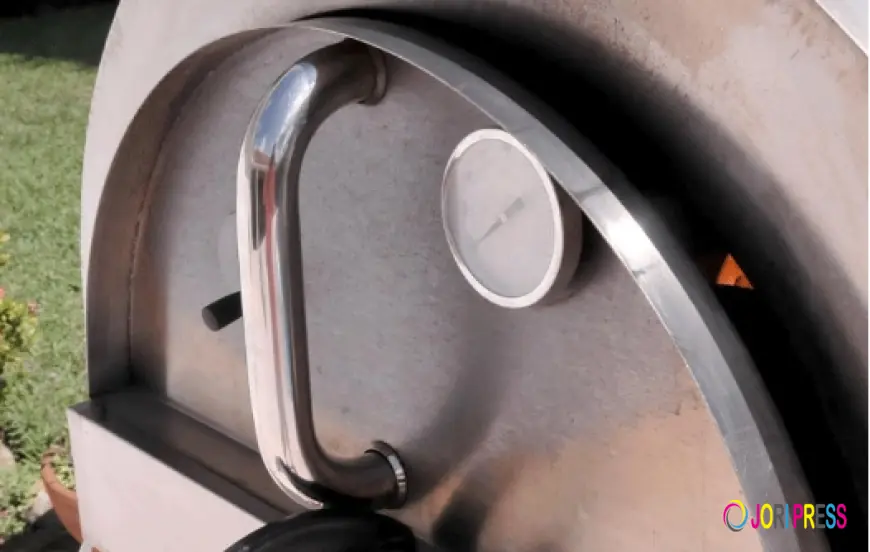
A pizza oven is only as useful as the cook's understanding of its heat. Different pizza styles ask for very different temperatures, and running an oven too hot or too cool for a given dough is one of the most common reasons a pizza turns out pale, burnt, or dense.
This guide covers typical temperature ranges for four popular styles, along with the reasoning behind them and a few habits that make temperature easier to control. The figures below are common ranges, not strict rules. Dough recipes, oven design, and personal taste all shift the ideal numbers.
Why Temperature Matters
Pizza dough bakes in a race between the crust and the toppings. High heat cooks the crust quickly, creating rapid oven spring and a leopard-spotted exterior while leaving the inside soft. Lower heat gives a longer, gentler bake that dries the crust more thoroughly, producing a crisper, sturdier result.
Two measurements matter in practice: the temperature of the cooking floor and the temperature of the air or dome. A floor that is too cool for the dome can leave the base underdone while the top browns, so checking both is worthwhile. An infrared thermometer is a common tool for reading floor temperature.
Neapolitan Pizza
Typical range: about 800 to 900°F (430 to 480°C) Typical bake time: roughly 60 to 90 seconds
Neapolitan pizza is made with a simple, relatively wet dough and baked very hot and very fast. The result is a soft, pliable center with a puffed, charred edge. Traditional guidelines from Neapolitan pizza associations describe temperatures in this range.
Practical notes:
- Preheat long enough for the floor to be thoroughly heat soaked, not just the air.
- Keep toppings light, since a 90-second bake leaves little time for heavy ingredients to cook.
- Rotate the pizza a few times during the bake for even color.
New York Style
Typical range: about 500 to 600°F (260 to 315°C) in a home oven, with some deck ovens running a bit higher Typical bake time: roughly 6 to 10 minutes
New York style pizza uses a slightly lower hydration dough that is stretched thin and baked longer. The goal is a crust that is crisp at the edge but foldable.
Practical notes:
- A longer bake means more moisture leaves the dough, so the floor temperature matters for browning the base.
- Wood-fired and gas ovens can be run cooler for this style by letting the fire or burner settle down after the initial preheat.
Roman Styles
Typical range: about 450 to 550°F (230 to 290°C), depending on the variation Typical bake time: varies, often 8 to 15 minutes
Roman pizza comes in several forms. Thin, crisp "tonda" styles and thicker rectangular "al taglio" styles both use different handling and bake times. High-hydration doughs are common, and many bakers par-bake or build the pizza in stages.
Practical notes:
- Because bakes are longer, a lower and steadier temperature is often preferred.
- Rectangular pans or stones help produce an even, crunchy base.
Pan and Thick-Crust Styles
Typical range: about 450 to 500°F (230 to 260°C) Typical bake time: roughly 12 to 20 minutes
Detroit-style, Sicilian, and other pan pizzas need the dough to rise inside the pan and bake all the way through. Too much heat browns the top before the center sets.
Practical notes:
- A well-oiled pan helps create the fried, crisp edge associated with these styles.
- Lower, steady heat is more forgiving than blasting temperatures.
Managing Temperature in Different Oven Types
Wood-fired ovens: Temperature changes as the fire burns and as the oven loses heat to each pizza. Many cooks build a larger fire for the initial preheat, then let it settle to a smaller flame once the dome is saturated with heat. Adding small pieces of dry wood periodically helps maintain stable temperatures. Between pizzas, floor recovery matters, so it helps to let the floor regain heat before launching the next one.
Gas ovens: Burner controls make temperature adjustments straightforward. The usual approach is to preheat at full output, then reduce the flame to hold a steady temperature. Gas ovens are generally easier for running a long session where several styles are baked in sequence, starting hot and moving to cooler bakes.
Hybrid ovens: These allow either fuel, so a cook can use gas for quick, predictable heat or wood for flavor and the fire experience. Some brands, including ilFornino, make wood-fired, gas, and hybrid ovens, so cooks comparing fuel types can look at similar designs across all three.
Habits That Make Temperature Easier
- Measure, do not guess. An infrared thermometer is inexpensive and takes the guesswork out of floor readings.
- Preheat longer than seems necessary. Heat soaking the stone or floor is what keeps the base from going pale.
- Match dough to the bake. High-hydration, quick-bake doughs and lower-hydration, longer-bake doughs behave differently. Using the right dough for the temperature prevents many problems.
- Bake in order. When making several styles in one session, start with the hottest bake and move to the cooler ones as the oven settles.
- Keep notes. Recording preheat time, floor temperature, and bake time for each pizza turns trial and error into a repeatable process.
Quick Reference
| Style | Typical oven temperature | Typical bake time |
|---|---|---|
| Neapolitan | 800 to 900°F (430 to 480°C) | 60 to 90 seconds |
| New York | 500 to 600°F (260 to 315°C) | 6 to 10 minutes |
| Roman | 450 to 550°F (230 to 290°C) | 8 to 15 minutes |
| Pan / thick crust | 450 to 500°F (230 to 260°C) | 12 to 20 minutes |
Final Thoughts
Good pizza comes from understanding the relationship between dough and heat. Once the temperature ranges for each style are familiar, adjusting an oven becomes routine rather than stressful. Start with the ranges above, note the results, and adjust based on what the crust looks and tastes like. Over a handful of bakes, most cooks develop a reliable feel for their own oven.
What's Your Reaction?
 Like
0
 Dislike
0
 Love
0
 Funny
0
 Angry
0
 Sad
0
 Wow
0