






































Nail Bruise or Subungual Melanoma? Key Differences
Learn how to tell the difference between a harmless nail bruise (subungual hematoma) and subungual melanoma, including key signs, growth patterns, and when to seek medical evaluation.

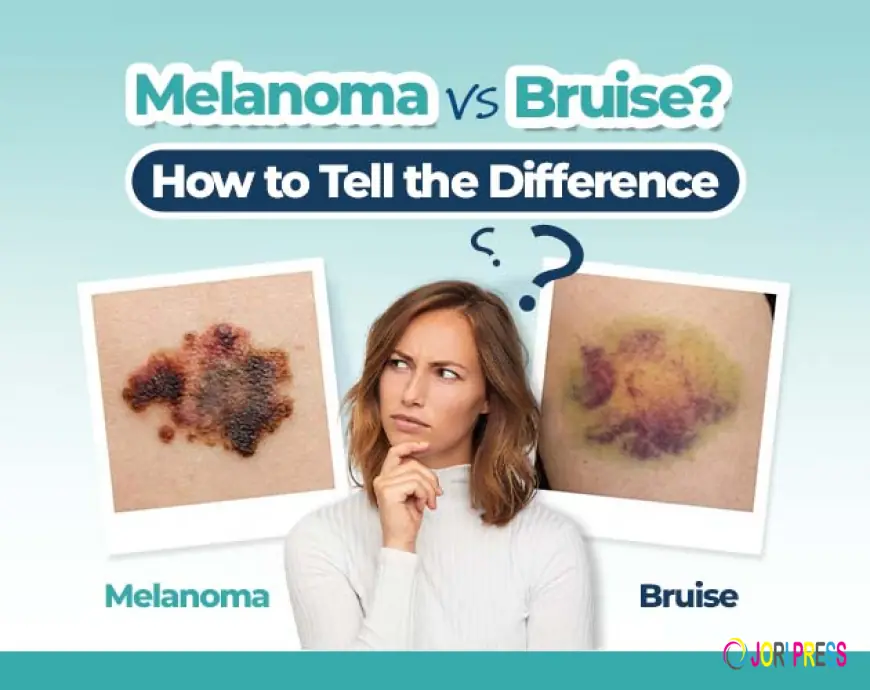
Noticing a dark spot, stripe, or discoloration beneath a fingernail or toenail can be concerning. In many instances, dark nail discoloration is simply a subungual hematoma a collection of blood under the nail plate caused by trauma, such as stubbing a toe or catching a finger in a door. However, in rare cases, dark pigmentation under the nail can indicate subungual melanoma, a serious form of skin cancer affecting the nail matrix.
Because early detection is vital for successful skin cancer treatment, understanding how to differentiate a benign nail injury from a malignant lesion can help you determine whether your symptom requires routine observation or prompt medical evaluation.
Understanding the Two Conditions
To distinguish between trauma and a more serious condition, it helps to understand how each develops beneath the nail structure.
What Is a Subungual Hematoma (Nail Bruise)?
A subungual hematoma occurs when trauma damages small blood vessels in the underlying nail bed, causing blood to pool beneath the nail plate.
-
Triggers: Known trauma (dropping an object, athletic pressure from running) or repeated micro-trauma from tight footwear.
-
Color: Typically red, purple, maroon, or dark brown/black initially, fading to yellowish-brown as blood decomposes.
-
Behavior: As the nail plate grows outward from the matrix, the trapped blood moves forward with the growing nail until it is eventually trimmed away.
What Is Subungual Melanoma?
Subungual melanoma originates in the nail matrix the tissue under the cuticle responsible for producing the nail plate. Unlike cutaneous melanomas on sun-exposed skin, subungual lesions are not linked to ultraviolet (UV) radiation exposure.
-
Triggers: Genetic factors and cellular changes in melanocytes within the nail matrix; trauma does not cause it, though patients sometimes notice discoloration only after an injury draws attention to the area.
-
Color: Dark brown, black, or blue-black vertical band extending from the cuticle to the tip of the nail.
-
Behavior: The band remains fixed at the nail matrix, often widening, darkening, or developing irregular pigment lines over time rather than growing out with the nail.
Clinical Red Flags: The ABCDEF Rule for Nails
Dermatologists adapt the classic ABCDE criteria specifically for subungual lesions to aid in early detection:
-
A – Age and Ethnicity: Most common in individuals aged 50–70 and occurs disproportionately in non-Caucasians (Darker skin types, Asian, and African heritage, where sun-exposed melanomas are less frequent).
-
B – Band (Color and Width): Dark brown or black longitudinal band wider than 3 millimeters with irregular borders or color variation.
-
C – Change: Rapid growth or change in the band's width, color, or shape over weeks or months.
-
D – Digit Involved: Most frequently affects the dominant thumb or the big toe (hallux), though any digit can be involved.
-
E – Extension (Hutchinson’s Sign): Extension of pigment from the nail bed into the adjacent cuticle or periungual skin fold. This is a critical diagnostic marker.
-
F – Family or Personal History: Personal or family history of melanoma or dysplastic nevi.
How to Monitor Nail Discoloration at Home
If you suspect a dark spot beneath your nail is merely a bruise but want to monitor it safely, follow this practical observational protocol:
-
Take a Baseline Photograph: Capture a clear, well-lit photo of the nail, making sure the cuticle and the top edge of the stain are visible.
-
Mark the Top Boundary: You can place a tiny scratch or mark on the nail plate corresponding to the distal edge of the discoloration.
-
Track Growth over 4 to 8 Weeks: Fingernails grow approximately 3 millimeters per month, while toenails grow at about 1 millimeter per month.
-
Signs of a Bruise: A clear gap of normal nail should appear between the cuticle and the dark spot as the nail grows.
-
Signs Requiring Evaluation: If the dark band continues to originate from the cuticle line without moving, or if it grows wider and darker, consult a specialist promptly.
To learn more about diagnostic criteria and clinical distinctions, reviewing detailed clinical comparison guides on melanoma or bruise key differences can help clarify when professional evaluation is needed.
When to Consult a Healthcare Professional
You should schedule a professional evaluation with a doctor or dermatologist if you observe any of the following:
-
A dark vertical line appears beneath a nail without a clear history of trauma.
-
Pigmentation spreads from under the nail plate onto the surrounding cuticle skin.
-
A spot does not move outward despite noticeable nail growth over 2 months.
-
The nail plate splits, cracks, oozes, or lifts off the nail bed.
-
You have a single dark band on a single digit that grows darker, wider, or variegated in color.
During an in-clinic examination, a doctor uses a specialized magnifying instrument called a dermatoscope to inspect the pigment structure. If suspicion remains elevated, a small biopsy of the nail matrix may be performed to establish a definitive diagnosis.
Frequently Asked Questions
Can a nail bruise take months to fade completely?
Yes. Because toenails grow very slowly (taking up to 12–18 months to fully replace themselves), a subungual hematoma under a big toe can remain visible for over a year, even though it is moving slowly toward the free edge.
Is subungual melanoma caused by sunlight exposure?
No. Unlike most cutaneous melanomas, subungual melanoma occurs on areas protected from direct UV exposure. Its development is linked to genetic mutations and cellular alterations within the nail matrix rather than sun exposure.
Are vertical dark lines on nails always cancerous?
No. Vertical dark lines (longitudinal melanonychia) can stem from benign causes, including benign nevus (mole) in the nail matrix, fungal infections, inflammatory diseases like lichen planus, pregnancy-related hyperpigmentation, or side effects from certain medications.
Summary
Distinguishing between a harmless nail bruise and a serious condition like subungual melanoma comes down to observing pattern and movement. A bruise follows trauma, changes color, and moves outward as the nail grows. A dark stripe originating from the cuticle that widens, darkens, or bleeds into surrounding skin requires professional evaluation. When in doubt, a simple dermoscopic exam by a healthcare provider can offer clarity and peace of mind.
What's Your Reaction?
 Like
0
 Dislike
0
 Love
0
 Funny
0
 Angry
0
 Sad
0
 Wow
0