






































Must-Have Try Square Tools for Woodworkers & Metalworkers
Explore the best try square tools for woodworkers and metalworkers. Learn about try square sets, pricing, carpenter uses, CNC tool alignment, and more.

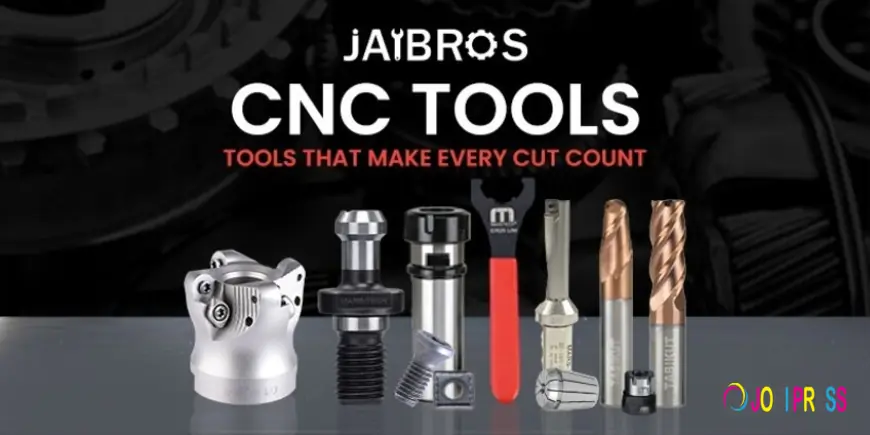
The Ultimate Try Square Tools for Carpenters & Machinists
In any professional workshop—whether woodworking, metalworking, machining, or fabrication—accuracy is the backbone of quality output. One tool that consistently ensures this level of accuracy is the try square. Known for its simplicity yet unmatched reliability, a try square helps artisans achieve perfect right angles, straight cuts, and consistent markings. For woodworkers, machinists, fabricators, carpenters, and CNC operators, choosing the right try square can dramatically improve project outcomes.
In this detailed guide, we explore why a try square is essential, the types available, how to select the right one, and the benefits of using a try square set. We also cover pricing trends and compare features to help both beginners and professionals make informed decisions.
What Is a Try Square and Why Is It Essential?
A try square is a measuring and marking tool used to check the accuracy of 90-degree angles on materials such as wood, metal, and plastic. It is commonly used by carpenters, machinists, and precision workers who cannot afford even minor measurement errors.
Whether you are laying out a joint, marking corners, verifying edges, or aligning components for CNC tool setups, a try square provides unmatched precision. Its simplicity and durability make it one of the most dependable tools in any workshop.
Why Every Craftsman Needs a Try Square
The need for precision in woodworking and metalworking is universal. A single inaccurate angle can affect an entire project, especially in cabinet making, joinery, mold fabrication, steel structures, and machine components.
Here’s why professionals rely on a try square:
-
Ensures perfect 90-degree angles
-
Prevents cumulative errors in multiple cuts
-
Helps verify alignment and squareness
-
Provides consistent markings for repeat projects
-
Useful across many materials—wood, plastic, aluminum, steel
For metalworkers, especially machinists working with CNC machines, a try square also helps check the squareness of machine setups, vice alignment, and tool positioning.
Types of Try Squares for Professionals
1. Traditional Carpenter’s Try Square
A carpenters try square features a wooden or metal stock with a steel blade. It is ideal for woodworking tasks, furniture making, frame building, and carpentry jobs.
2. Engineering / Machinist Try Square
Made entirely from hardened stainless steel, this square provides maximum accuracy for precision metalworking. It is commonly used for layout marking, metal fabrication, welding setups, and CNC machining.
3. Adjustable Try Square
This version features an adjustable blade, allowing professionals to check angles other than 90°. Though not as rigid as fixed try squares, it offers versatility.
4. Combination Square
While not exactly a try square, many workshops use it as an all-in-one marking and measuring tool. Its flexibility makes it a favorite among both beginners and experts.
5. Try Square Set
A try square set includes multiple sizes—typically 4-inch, 6-inch, 8-inch, and 12-inch squares. Workshops that handle a wide range of materials and projects prefer sets for better coverage.
How to Choose the Right Try Square for Your Work
Choosing the right try square depends on your craft, material type, and required accuracy. Below are essential factors to consider:
1. Material and Build Quality
Look for hardened stainless steel blades for long-term accuracy. For woodworking, wooden-stock squares are adequate, but for metalworking, always choose full-metal designs.
2. Accuracy Standards
Good try squares should comply with engineering standards such as:
-
DIN 875
-
IS 2103
-
BS 3322
These standards ensure long-term accuracy and reliability.
3. Blade Size
The right size depends on your project needs:
-
4–6 inch: small furniture components, joinery
-
8–10 inch: general woodworking and metalworking
-
12 inch and above: large sheets and structural materials
A try square set offers all the sizes you may need.
4. Handle Type
Handles may be made of:
-
Metal
-
Wood
-
Plastic
-
Composite material
Metal handles offer maximum durability, while wooden handles provide comfort and traditional appeal.
5. Try Square Tool Price
Prices vary depending on build quality, size, and accuracy grade. Typically:
-
Basic woodworking squares: budget-friendly
-
Precision engineering squares: higher price but extremely accurate
-
Try square sets: more economical per piece
Checking both online and offline suppliers helps you compare try square tool price effectively.
Applications of Try Squares in Woodworking
Woodworkers commonly use a try square for:
-
Marking and checking 90° cuts
-
Laying out dovetails and joints
-
Ensuring cabinet frames and shelves are square
-
Leveling and aligning wooden components
A carpenters try square is the most popular choice due to its ergonomic handle and easy blade readability.
Applications of Try Squares in Metalworking
Metalworkers rely on try squares for:
-
Checking machine setups
-
Ensuring the squareness of fabricated parts
-
Marking sheet metal
-
Aligning workpieces on a milling machine
-
Checking CNC fixture alignment
Here, an all-metal, high-precision try square is essential.
Try Square vs. CNC Tools: How They Work Together
Even though advanced machines and CNC tools now dominate manufacturing, manual measuring tools like try squares remain irreplaceable. They help operators:
-
Verify machine fixture alignment
-
Inspect finished parts
-
Confirm squareness before machining
-
Validate toolpath accuracy
A CNC output is only as accurate as the initial manual setup—making the try square indispensable.
Conclusion
A try square is one of the most essential measuring tools for woodworkers, metalworkers, machinists, and CNC operators. Whether you’re building precision furniture, fabricating metal structures, aligning machine components, or setting up CNC operations, the accuracy of a try square directly influences your work quality. Among the numerous brands available today, Jaibros is known for providing reliable, durable, and precision-engineered tools that meet professional workshop standards, making them a dependable choice for craftsmen across industries.
FAQs
1. What is a try square used for?
A try square is used to check and mark 90-degree angles in woodworking, metalworking, and machining.
2. Which try square is best for carpenters?
A carpenters try square with a wooden or metal handle is ideal for woodworking due to its ergonomic design.
3. What sizes of try squares are available?
Try squares come in multiple sizes such as 4", 6", 8", 12", and larger. A try square set provides multiple sizes for different tasks.
4. How much does a good try square cost?
Try square tool price depends on brand, material, and accuracy grade. Engineering-grade steel squares cost more due to higher precision.
5. Is a try square useful for CNC machine work?
Yes, a try square helps ensure machine setups, fixtures, and workpieces are properly aligned before CNC machining.
What's Your Reaction?
 Like
0
Like
0
 Dislike
0
Dislike
0
 Love
0
Love
0
 Funny
0
Funny
0
 Angry
0
Angry
0
 Sad
0
Sad
0
 Wow
0
Wow
0