






































Monochloroacetic Acid Market Dynamics: Demand Drivers, Supply Challenges, and Future Growth Opportunities
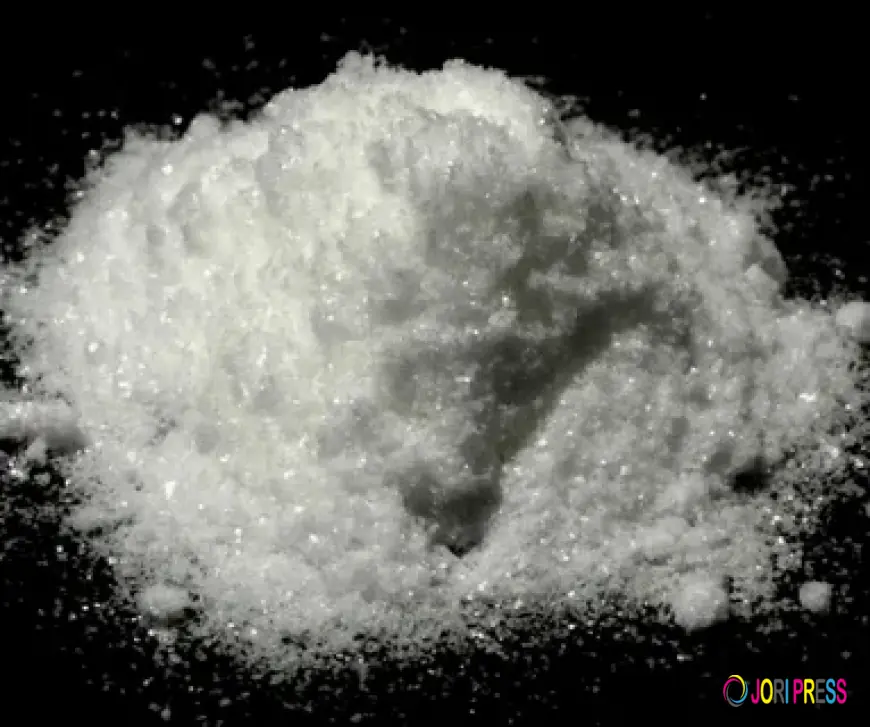
Monochloroacetic acid (MCA) is an important organic chemical intermediate used in the manufacture of pharmaceuticals, agrochemicals, personal care ingredients, detergents, specialty chemicals, and industrial formulations.

Understanding the Monochloroacetic Acid Market
Monochloroacetic acid (MCA) is an important organic chemical intermediate used in the manufacture of pharmaceuticals, agrochemicals, personal care ingredients, detergents, specialty chemicals, and industrial formulations. Its chemical reactivity enables manufacturers to introduce carboxymethyl groups into various compounds, making it valuable across multiple downstream applications. As industrial production expands and chemical manufacturers seek versatile intermediates, demand for MCA continues to be influenced by changes in end-use industries, production economics, environmental requirements, and regional manufacturing capabilities.
The monochloroacetic acid market dynamics reflect the interaction between downstream consumption, raw material availability, production efficiency, regulatory compliance, and competition among chemical producers. Although established applications provide a foundation for demand, the market's direction increasingly depends on how manufacturers balance cost, product quality, operational reliability, and sustainability expectations.
Key Factors Driving Market Demand
Expanding Applications in Carboxymethyl Cellulose Production
One of the major demand drivers is the production of carboxymethyl cellulose (CMC), a cellulose derivative widely used as a thickener, stabilizer, binder, and viscosity modifier. MCA serves as a key chemical intermediate in CMC manufacturing, supporting applications in food processing, pharmaceuticals, cosmetics, oilfield operations, detergents, and paper production.
Growth in processed foods, personal care formulations, and industrial fluid management can support consumption of CMC and, consequently, MCA. However, demand is not uniform across these applications. Food and pharmaceutical grades often require tighter quality controls, while industrial applications may prioritize performance consistency, availability, and cost efficiency. Manufacturers that can reliably meet different customer specifications are better positioned to serve this diverse demand base.
Growth in Agrochemicals and Pharmaceutical Intermediates
Agrochemicals represent another important application area. MCA is used in producing several herbicides and other agricultural chemical intermediates. Demand in this segment is influenced by crop protection requirements, agricultural productivity objectives, weed management practices, and changes in farming intensity.
Pharmaceutical manufacturing also creates opportunities for MCA-based intermediates, although consumption depends on specific synthesis pathways and product requirements. Pharmaceutical customers generally place substantial emphasis on impurity control, traceability, consistent specifications, and dependable supply. These expectations can create opportunities for suppliers with strong process controls and quality management systems.
Nevertheless, demand from agrochemicals and pharmaceuticals remains sensitive to regulatory changes, product substitution, crop prices, and shifts in active ingredient production. These factors can create different growth patterns across countries and application segments.
Production Economics and Supply-Side Influences
Raw Material Costs and Manufacturing Efficiency
MCA production commonly involves the chlorination of acetic acid, followed by purification and finishing operations. Acetic acid availability, chlorine procurement costs, energy consumption, and process efficiency therefore influence production economics. Changes in any of these inputs can affect operating margins, particularly when manufacturers cannot immediately adjust selling prices.
Producers with efficient plants, reliable raw material contracts, and optimized process conditions may have a cost advantage over facilities facing higher utility expenses or inconsistent input availability. Production yields, equipment utilization, waste treatment requirements, and maintenance schedules also contribute to overall competitiveness.
Manufacturers must additionally manage the formation and removal of unwanted by-products. Effective process control is essential for achieving consistent product quality while limiting material losses and reducing the burden of downstream purification.
Capacity Utilization and Supply Reliability
The balance between installed capacity and actual demand plays an important role in market pricing. When production capacity expands faster than downstream consumption, suppliers may experience greater competition, lower utilization rates, and pressure on margins. Conversely, planned maintenance, unexpected shutdowns, logistics interruptions, or raw material shortages can tighten availability.
Capacity decisions require careful evaluation because chemical manufacturing facilities involve substantial capital investment, technical requirements, environmental controls, and long development timelines. Producers that align expansion with credible demand opportunities are better positioned to avoid prolonged periods of underutilization.
Supply reliability also matters to customers operating continuous production lines. A competitive supplier must offer more than attractive pricing; dependable deliveries, consistent specifications, technical support, and effective inventory management can influence purchasing decisions and long-term supply agreements.
Regional Market Dynamics and Competitive Landscape
Asia-Pacific as a Manufacturing and Consumption Hub
Asia-Pacific plays an important role in the broader MCA supply chain because of its established chemical manufacturing base and substantial downstream industries. Demand from cellulose derivatives, agrochemicals, textiles, detergents, and other industrial applications supports regional consumption.
China and India are particularly relevant within the regional chemical economy, although their market conditions differ according to production capacity, regulatory requirements, infrastructure, and downstream industry composition. Manufacturers in these markets must balance domestic demand with export opportunities while accounting for freight expenses, customer qualification requirements, and international competition.
Other regions, including Europe and North America, maintain demand through established specialty chemical, pharmaceutical, and industrial manufacturing activities. Their market conditions can be influenced by energy costs, environmental compliance obligations, import dependence, and customer preferences for dependable sourcing.
Competition Beyond Selling Price
Competition in the MCA industry involves production scale, process efficiency, product consistency, distribution capabilities, and customer relationships. Large producers may benefit from economies of scale and integrated procurement, while smaller or specialized suppliers can compete through responsive service, customized specifications, and proximity to particular customer groups.
Long-term purchasing arrangements can help buyers secure supply and improve planning. At the same time, maintaining multiple qualified suppliers can reduce exposure to unexpected disruptions. For producers, building strong relationships with downstream manufacturers can improve demand visibility and support more disciplined capacity planning.
Challenges Affecting Market Development
Environmental, Health, and Safety Requirements
MCA is a corrosive chemical that can cause severe skin burns and eye damage. Its production, handling, storage, transportation, and disposal therefore require appropriate engineering controls, protective equipment, trained personnel, and emergency response procedures.
Environmental compliance is another significant consideration. Chemical manufacturers must manage emissions, wastewater, process residues, and other potential environmental impacts in accordance with applicable requirements. Investments in treatment systems, containment infrastructure, monitoring equipment, and safer operating practices can increase capital and operating expenses.
These obligations may create challenges for older facilities or producers operating with limited technical resources. However, effective environmental and safety management can also reduce operational risks, improve reliability, and strengthen customer confidence.
Price Volatility and Substitution Risks
Changes in raw material prices, freight rates, energy costs, and currency exchange rates can affect profitability throughout the supply chain. Passing these increases on to customers may be difficult when buyers face tight budgets or have access to competing suppliers.
Substitution is another consideration. In certain applications, alternative chemical intermediates or formulation technologies may reduce MCA consumption. The extent of this risk depends on technical performance, processing requirements, regulatory approval, and the cost of reformulating established products.
Future Outlook and Strategic Opportunities
The future development of the MCA industry will depend on the performance of downstream sectors, disciplined capacity management, and manufacturers' ability to control production costs. Opportunities may emerge from expanding demand for cellulose derivatives, continued agrochemical production, and specialized chemical synthesis. However, these opportunities will vary by application and region rather than producing uniform growth across the entire market.
Manufacturers can strengthen their competitive positions by improving process efficiency, investing in preventive maintenance, enhancing quality assurance, and developing more effective waste management systems. Digital process monitoring and predictive maintenance may help reduce unplanned downtime and improve operational consistency.
Supply chain resilience will also remain important. Diversifying raw material sources, maintaining appropriate inventories, strengthening logistics partnerships, and improving customer demand forecasting can help reduce exposure to disruptions. For buyers, evaluating suppliers on total procurement cost, quality, delivery reliability, and regulatory compliance offers a more complete assessment than comparing prices alone.
Conclusion
Monochloroacetic acid remains an important intermediate across several interconnected chemical value chains. Its market is shaped by demand for carboxymethyl cellulose, agrochemicals, pharmaceutical intermediates, and other industrial products, alongside raw material economics, capacity utilization, regional competition, and environmental obligations.
Sustainable competitiveness will depend on balancing cost efficiency with product quality, safety, and supply reliability. Producers that adapt to changing customer requirements, manage operational risks, and make disciplined investment decisions will be better positioned to navigate market fluctuations and capture opportunities across established and emerging applications.
What's Your Reaction?
 Like
0
 Dislike
0
 Love
0
 Funny
0
 Angry
0
 Sad
0
 Wow
0