



































Metal Packaging Coatings Market Dynamics: Key Drivers, Emerging Challenges, and Future Industry Opportunities
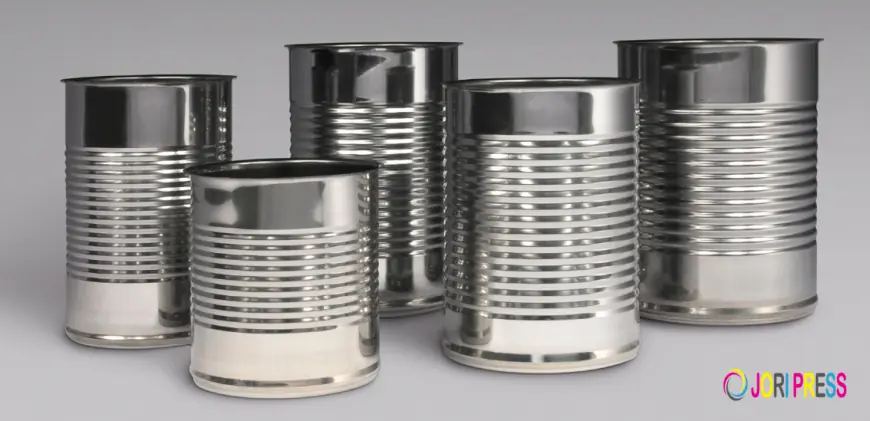
Metal packaging coatings play a vital role in protecting packaged products, preserving quality, and improving the durability of metal containers. Used across food and beverage cans, aerosol containers, industrial drums, closures, and specialty packaging, these coatings provide a protective barrier between the metal substrate and the packaged contents.

Introduction
Metal packaging coatings play a vital role in protecting packaged products, preserving quality, and improving the durability of metal containers. Used across food and beverage cans, aerosol containers, industrial drums, closures, and specialty packaging, these coatings provide a protective barrier between the metal substrate and the packaged contents. They also enhance appearance, support corrosion resistance, and improve the performance of containers throughout filling, transportation, storage, and consumption.
The industry is evolving as manufacturers respond to changing packaging preferences, stricter environmental requirements, advancements in coating chemistry, and growing expectations for product safety. The
metal packaging coatings market dynamics reflect the interaction of these forces, with demand increasingly influenced by material efficiency, regulatory compliance, application performance, and the transition toward more sustainable packaging solutions.
Understanding these dynamics is essential for coating manufacturers, metal packaging producers, raw material suppliers, and brand owners seeking to balance operational efficiency with long-term product protection.
Key Drivers Influencing Market Growth
Rising Demand for Packaged Food and Beverages
Food and beverage packaging remains a major application area for metal coatings. Steel and aluminum containers offer strength, recyclability, and effective protection against external contamination. However, direct contact between metal and certain products can cause corrosion, discoloration, flavor changes, or unwanted chemical interactions.
Specialized internal coatings help address these risks by creating a barrier between the container and its contents. Beverage cans, canned vegetables, soups, seafood, and processed foods require coating systems suited to their specific acidity, processing temperatures, and storage conditions.
The expansion of ready-to-eat foods, convenience beverages, and products with longer distribution cycles supports demand for reliable coating technologies. Manufacturers increasingly prioritize formulations that maintain integrity during high-speed filling, retorting, pasteurization, and extended storage.
Expansion of Sustainable Packaging Solutions
Sustainability is becoming a central consideration in packaging design. Metal packaging benefits from established recycling systems and the potential for repeated material recovery, provided collection and processing infrastructure is available.
Coatings contribute to this advantage by protecting containers while minimizing the amount of material required to achieve the desired performance. Thin, uniform coatings can improve corrosion resistance without unnecessarily increasing packaging weight or complicating manufacturing.
At the same time, brand owners are assessing packaging materials according to their environmental footprint, recyclability, and compatibility with existing waste management systems. These priorities encourage coating suppliers to develop durable formulations that support efficient production and preserve the recoverability of metal substrates.
Technological Advancements Reshaping Coating Development
Transition Toward BPA-NI and Alternative Chemistries
One of the most significant developments in the industry is the growing interest in bisphenol A non-intent (BPA-NI) coating systems. This category generally describes formulations designed without intentionally using BPA, although the exact composition and regulatory implications vary by product and jurisdiction.
Traditional epoxy-based systems have delivered strong adhesion, chemical resistance, and processing durability. Nevertheless, concerns about bisphenol-related substances have increased pressure on manufacturers to evaluate alternative chemistries.
Polyester, acrylic, and other specialized coating technologies are being developed or adapted for different packaging applications. Their suitability depends on factors such as resistance to acidic foods, flexibility during forming, thermal stability, and compatibility with the packaged product.
Replacing established formulations is not simply a matter of changing ingredients. New coatings must undergo extensive testing to demonstrate that they can withstand manufacturing stresses and preserve package integrity throughout the intended shelf life.
Water-Based and High-Efficiency Formulations
Environmental considerations are also encouraging interest in water-based and other lower-emission coating technologies. Where technically suitable, these systems can reduce reliance on conventional organic solvents and help manufacturers manage volatile organic compound emissions.
However, performance depends heavily on application conditions. Drying requirements, humidity, curing temperatures, line speed, and substrate preparation can influence coating quality and operating costs.
High-solids formulations and improved application technologies offer additional opportunities to reduce material consumption and improve transfer efficiency. Automated inspection systems can further support quality control by identifying coating defects before containers reach the filling stage.
Major Challenges Affecting the Industry
Regulatory Complexity and Product Safety
Coatings used in food-contact applications must meet applicable safety requirements in their intended markets. Compliance involves evaluating formulation ingredients, potential migration, manufacturing conditions, and the specific food or beverage being packaged.
Requirements differ across jurisdictions and can change as scientific evidence and regulatory priorities evolve. Manufacturers serving international customers must therefore manage multiple compliance frameworks while maintaining consistent product performance.
This process can increase testing expenses, documentation requirements, and product development timelines. It also makes technical collaboration between coating suppliers, packaging converters, and food producers increasingly important.
Volatile Raw Material Costs and Supply Constraints
Coating production depends on resins, additives, pigments, curing agents, solvents, and other specialty chemicals. Fluctuations in feedstock prices, energy costs, freight rates, and regional supply availability can affect production economics.
Smaller manufacturers may face particular challenges when specialized raw materials are available from a limited number of suppliers. Sudden cost increases can place pressure on margins, especially when customers expect stable pricing under long-term supply agreements.
Companies can reduce exposure through supplier diversification, improved inventory planning, formulation optimization, and closer coordination with customers. Nevertheless, maintaining consistent quality while managing cost volatility remains an ongoing operational challenge.
Emerging Opportunities Across Applications
Premium Packaging and Product Differentiation
Metal packaging is widely used for premium beverages, specialty foods, personal care products, and selected household goods. In these categories, exterior coatings and decorative finishes contribute to brand identity and shelf appeal.
Manufacturers are exploring finishes that provide distinctive colors, tactile effects, gloss levels, and resistance to abrasion. The challenge is to achieve these visual characteristics without compromising forming performance, adhesion, or recycling compatibility.
As brands seek differentiation across retail channels, coating suppliers that can combine decorative flexibility with dependable production performance may find opportunities in higher-value applications.
Regional Manufacturing and Process Modernization
Investment in can-making facilities, packaging conversion capacity, and food processing can create opportunities for coating suppliers, particularly where domestic production is expanding. Regional growth, however, depends on local consumption patterns, infrastructure, trade conditions, and access to suitable raw materials.
Modernizing existing production lines also offers potential. Improved curing systems, automated inspection, and more precise coating application can reduce defects, material waste, and unplanned downtime. Suppliers that help customers integrate new formulations into established operations can provide value beyond the coating itself.
Competitive Landscape and Strategic Priorities
Competition increasingly depends on technical reliability, regulatory support, formulation flexibility, and the ability to maintain consistent supply. Product performance must be demonstrated under real production conditions rather than evaluated solely through laboratory results.
Leading participants and emerging suppliers can strengthen their positions by investing in research and development, establishing robust quality assurance procedures, and collaborating with packaging manufacturers during product qualification. Technical service is particularly important when customers transition to alternative chemistries or modify high-speed production lines.
Digital monitoring and process analytics may also improve consistency by helping manufacturers detect deviations in coating thickness, curing conditions, and application performance. These capabilities can reduce waste while supporting traceability and customer confidence.
Future Outlook
The future direction of the industry will be shaped by the need to reconcile food safety, environmental responsibility, production efficiency, and cost control. Alternative coating chemistries, lower-emission formulations, improved application technologies, and more sophisticated quality monitoring are likely to remain important areas of development.
Progress will not be uniform across applications. A coating suitable for a beverage can may not meet the chemical resistance or thermal requirements of a retort food container. Consequently, innovation will depend on application-specific testing, regulatory assessment, and cooperation across the packaging value chain.
Conclusion
Metal packaging coatings are essential to the performance, safety, and visual quality of modern metal containers. Demand is supported by packaged food and beverage consumption, while sustainability expectations and regulatory developments are accelerating changes in formulation and manufacturing practices.
The industry's long-term competitiveness will depend on delivering coatings that combine dependable protection with efficient application, consistent supply, and compliance with evolving requirements. Businesses that invest in practical innovation, process optimization, and close customer collaboration will be better positioned to respond to changing packaging needs and emerging market opportunities.
What's Your Reaction?
 Like
0
 Dislike
0
 Love
0
 Funny
0
 Angry
0
 Sad
0
 Wow
0