


































Complete Guide to Jewellery Design: Pakistani & Global Bridal Gold Jewellery Trends 2026
Complete Guide to Jewellery Design: Pakistani & Global Bridal Gold Jewellery Trends 2026
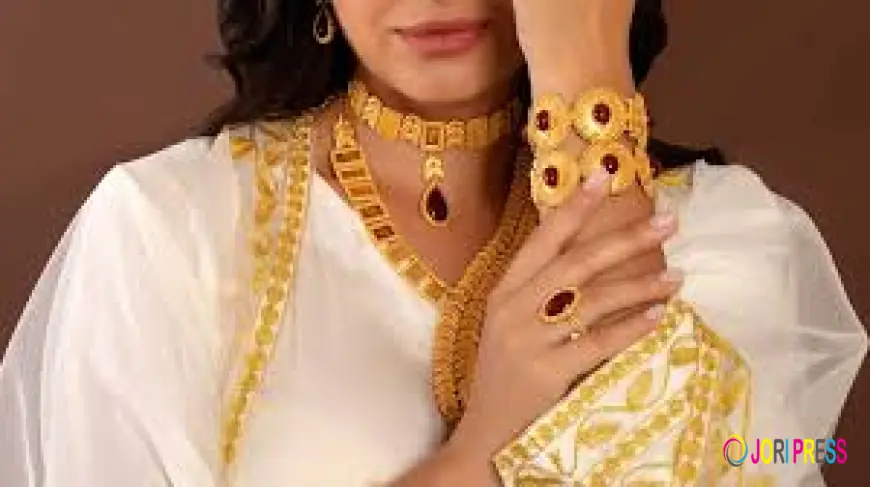
Jewellery has always been more than mere adornment—it's a symbol of heritage, celebration, and personal expression. In Pakistani culture, jewellery holds profound significance, especially during weddings where brides and families invest considerable thought into selecting pieces that reflect tradition while embracing contemporary elegance. As we navigate 2026, the world of jewellery design continues to evolve, blending timeless craftsmanship with modern aesthetics. Whether you're planning a wedding, searching for the perfect bridal jewellery set, or simply exploring Pakistani jewellery online, this comprehensive guide will illuminate everything you need to know about jewellery design, gold jewellery trends, and making informed purchasing decisions in Pakistan and globally.
Understanding Modern Jewellery Design Aesthetics
Traditional vs Contemporary Jewellery Design
The landscape of jewellery design in Pakistan represents a fascinating intersection of age-old traditions and cutting-edge contemporary trends. Traditional Pakistani jewellery design draws heavily from Mughal-era aesthetics, featuring intricate kundan work, elaborate polki settings, and detailed filigree patterns that have been passed down through generations of master craftsmen. These designs often incorporate religious and cultural motifs, from delicate floral patterns to geometric Islamic art, each piece telling a story of cultural heritage.
Contemporary jewellery design, however, has introduced minimalist aesthetics, geometric precision, and versatile pieces that seamlessly transition from traditional events to modern settings. Today's designers are creating fusion pieces that honor cultural roots while appealing to global sensibilities. You'll find sleek gold bangles with subtle traditional engravings, or kundan necklaces reimagined with modern linear designs that complement both Eastern bridal wear and Western evening gowns.
The global influence on Pakistani jewellery cannot be understated. Turkish antique designs, Middle Eastern luxury aesthetics, and European minimalism have all found their way into Pakistani jewellery collections, creating an exciting diversity in design options. This cross-cultural pollination has enriched the Pakistani jewellery market, offering customers unprecedented variety when shopping online or in boutiques.
Key Elements of Exceptional Jewellery Design
What distinguishes exceptional jewellery from ordinary pieces? The answer lies in several critical elements. Craftsmanship remains paramount—the precision of stone setting, the smoothness of metal finishing, and the durability of construction all contribute to jewellery that not only looks beautiful but stands the test of time. Premium jewellery designers invest hours in perfecting each detail, ensuring that clasps function smoothly, stones are securely set, and the overall piece maintains its integrity through years of wear.
Material selection profoundly impacts both the aesthetic and value of jewellery. Gold purity, diamond quality, the authenticity of pearls, and the craftsmanship of kundan work all determine a piece's worth and longevity. Quality materials don't just shine brighter—they maintain their beauty longer and often appreciate in value, making them worthwhile investments.
Design symmetry and balance create visual harmony that makes jewellery pleasing to the eye and comfortable to wear. Well-designed pieces distribute weight evenly, sit properly against the skin, and complement rather than overwhelm the wearer's features. This is particularly important in bridal jewellery, where pieces are worn for extended periods during elaborate wedding ceremonies.
Cultural significance in design motifs adds layers of meaning to jewellery beyond mere aesthetics. From lotus flowers symbolizing purity to paisley patterns representing fertility and good fortune, traditional Pakistani jewellery incorporates symbolism that connects the wearer to heritage and blessings for their future.
Exploring Pakistani Jewellery Online: A Digital Shopping Revolution
Benefits of Shopping Pakistani Jewellery Online
The digital transformation of Pakistan's jewellery market has revolutionized how customers discover, evaluate, and purchase jewellery. Shopping for Pakistani jewellery online offers unprecedented convenience—browsing extensive collections from the comfort of home, at any hour, without geographical limitations. This accessibility has opened up markets previously limited to those living near major jewellery districts in Karachi, Lahore, or Islamabad.
Online platforms provide access to wider variety than most physical stores can accommodate. You can explore hundreds of bridal jewellery sets, compare designs side-by-side, and discover niche styles or emerging designers that might not have physical retail presence. This variety empowers customers to find exactly what they're envisioning rather than settling for what's available locally.
Competitive pricing often makes online jewellery shopping more economical. Digital retailers have lower overhead costs than physical boutiques, savings frequently passed to customers. Additionally, the transparency of online pricing allows easy comparison shopping, ensuring you receive fair value for your investment.
Detailed product information available online—high-resolution images from multiple angles, precise measurements, material specifications, and customer reviews—provides information often unavailable in traditional retail settings. This transparency builds confidence in purchasing decisions and reduces the uncertainty that once made buying jewellery online seem risky.
What to Look for When Buying Jewellery Online
Authenticity certification should be your primary concern when purchasing jewellery online, especially gold and diamond pieces. Reputable online retailers provide hallmarking certificates, gold purity documentation, and diamond grading reports from recognized gemological institutes. Always verify these certifications and understand what they guarantee about your purchase.
Return and exchange policies protect your investment if the jewellery doesn't meet expectations upon arrival. Look for generous return windows, clear conditions for returns, and transparent processes for exchanges or refunds. Premium jewellery retailers understand that customers need the opportunity to see pieces in person before committing to such significant purchases.
Customer reviews and testimonials offer invaluable insights into product quality, customer service, and the overall buying experience. Pay attention not just to star ratings but to detailed reviews describing product accuracy, delivery experience, and how the retailer handled any issues. Consistent positive feedback across multiple platforms indicates a trustworthy seller.
Secure payment options protect your financial information and provide recourse if transactions go wrong. Look for established payment gateways, secure checkout processes (indicated by HTTPS in the URL), and options like cash on delivery that let you inspect purchases before payment.
Popular Types of Pakistani Jewellery Available Online
Gold necklace sets remain the cornerstone of Pakistani jewellery collections online. From delicate chains suitable for daily wear to elaborate bridal necklace sets featuring multiple layers and intricate pendants, the variety caters to every taste and occasion. Modern designs include contemporary chokers, traditional long haars (necklaces), and versatile pieces that can be styled multiple ways.
Kundan jewellery pieces, once exclusively available through specialized jewellers, are now widely accessible online. These pieces, featuring gemstones set in gold foil, represent some of Pakistan's most cherished traditional jewellery. Online collections range from complete bridal sets to individual kundan earrings, tikkas, and rings that add traditional elegance to any outfit.
Bridal choker sets have experienced renewed popularity, with designs ranging from heavily jewelled statement pieces to delicate, modern interpretations. Online platforms showcase chokers in various styles—traditional kundan, contemporary diamond, or affordable artificial options—allowing brides to select pieces that align with their wedding aesthetic and budget.
Jhumka and earring designs represent one of the most diverse categories in online Pakistani jewellery. Traditional jhumkas with their characteristic bell shape, contemporary drop earrings, statement chandbalis, and minimalist studs provide options for every face shape, occasion, and personal style. The online market has democratized access to designer jhumkas previously available only in high-end boutiques.
Bangles and bracelets, essential to Pakistani jewellery wardrobes, are extensively represented online. From traditional gold bangles purchased by weight to trendy stackable bracelet sets, from heavy bridal kara bangles to delicate everyday pieces, the online marketplace offers comprehensive selection across all price points and styles.
Matha patti and tikka designs, crucial components of bridal jewellery, are readily available through online platforms. These forehead ornaments range from simple central tikkas to elaborate matha pattis that span the entire hairline. Online shopping allows brides to find pieces that perfectly match their other jewellery and complement their hairstyle and face shape.
The Ultimate Bridal Jewellery Set Guide
Essential Components of a Complete Bridal Jewellery Set
A comprehensive bridal jewellery set encompasses multiple pieces that work together to create a cohesive, stunning bridal look. The foundation typically includes a necklace—either a single statement piece, a traditional choker paired with a long necklace, or multiple layered chains. The necklace serves as the focal point, drawing attention to the bride's face and complementing her wedding outfit's neckline.
Earrings are equally essential, with options including traditional jhumkas that add movement and sound to the bride's steps, elegant chandbalis that frame the face beautifully, or sophisticated drop earrings that create elegant lines. The choice depends on face shape, hairstyle, and overall aesthetic preferences. Earrings should complement the necklace without competing for attention.
Matha patti or maang tikka adorns the forehead and hairline, connecting the bridal jewellery from head to chest in a unified composition. Matha pattis create dramatic impact, extending across the entire forehead, while simpler tikkas offer elegant centerpieces. Both styles serve to highlight the bride's face and add traditional authenticity to her look.
The nose ring, or nath, remains a distinctive element of Pakistani bridal jewellery. Sizes range from delicate studs to elaborate naths with chains connecting to earrings. Regional traditions and personal preferences guide this choice, with some brides opting for traditional large naths and others choosing subtle modern interpretations.
Bangles and bracelets complete the bridal look, adding sparkle and sound to the bride's movements. Traditional brides often wear heavy gold kara bangles, while modern brides might choose slender stacked bangles or elegant diamond bracelets. The number and style of bangles vary by region and family tradition, but they invariably add to the celebratory atmosphere.
Rings symbolize the union being celebrated, with both engagement rings and decorative bridal rings playing roles in wedding jewellery. Statement cocktail rings featuring large gemstones or elaborate designs add extra glamour to the bride's hands during mehndi displays and ring ceremonies.
Optional additions like anklets and hand chains (hath phool) add extra luxury and traditional authenticity. Anklets create musical sounds as the bride walks, while hath phool—decorative hand chains connecting rings to bracelets—create stunning visual impact during wedding photographs.
Bridal Jewellery for Different Wedding Events
Nikkah Jewellery
The nikkah ceremony, being the most sacred wedding ritual, calls for elegant simplicity rather than ostentation. Nikkah jewellery tends toward minimalist designs that convey sophistication without overwhelming the solemnity of the occasion. Light gold sets featuring delicate workmanship, subtle kundan pieces with pastel stones, or refined diamond jewellery suit this ceremony perfectly.
Brides often choose single-layer necklaces rather than elaborate multi-piece sets, paired with simple earrings and a delicate tikka. The color palette typically features soft golds, whites, and subtle pastels that complement traditional nikkah outfit colors. The overall aesthetic should enhance the bride's natural beauty while maintaining appropriate reverence for the religious ceremony.
Mehndi Jewellery
Mehndi ceremonies embrace vibrancy and festivity, encouraging bolder jewellery choices. This is the occasion to experiment with colorful artificial jewellery sets featuring bright gemstones, elaborate floral designs, and playful elements that match the celebratory atmosphere. Mehndi jewellery can be more experimental and trendy, allowing brides to showcase contemporary styles without concern for tradition.
Popular mehndi jewellery includes oxidized silver pieces, colorful kundan sets with green, pink, or blue stones, and statement jhumkas that add movement and joy to dance performances. The informal nature of mehndi celebrations gives brides freedom to mix and match pieces, stack multiple bangles, or choose non-traditional designs that reflect their personality.
Barat/Wedding Day Jewellery
The barat represents the pinnacle of wedding celebrations, demanding the most elaborate and impressive bridal jewellery set. This is when brides traditionally wear heavy, complete sets featuring the finest materials and most intricate designs. Gold and diamond combinations, complete kundan bridal sets, or family heirloom pieces make their appearance on this most important day.
Traditional Pakistani bridal jewellery for barat includes layered necklaces (often both a choker and long haar), heavy jhumka earrings, elaborate matha patti, substantial nose ring, multiple bangles or kara sets, and sometimes additional pieces like sahara (a decorative piece worn at the top of the head) or hand chains. The overall effect should be regal, celebratory, and memorably beautiful.
The weight and value of barat jewellery often represents significant investment, whether in gold pieces that become family heirlooms or premium artificial sets that provide the desired aesthetic at accessible price points. Many families purchase or commission custom pieces specifically for this occasion, ensuring the bride's jewellery is as unique as her wedding day.
Walima Jewellery
The walima reception, being a more formal celebration, calls for refined elegance rather than traditional heaviness. Walima jewellery often features contemporary designs, diamond or white gold pieces, and modern minimalist aesthetics that complement reception gowns or sophisticated Eastern ensembles. This is the occasion for understated luxury and timeless elegance.
Brides commonly choose single-statement pieces—perhaps a stunning diamond necklace with matching earrings, or a contemporary gold set with clean lines and subtle embellishments. The walima provides opportunity to showcase investment jewellery that will remain wearable for formal occasions beyond the wedding, making it practical as well as beautiful.
Choosing the Right Bridal Jewellery Set for Your Wedding Theme
Matching jewellery with bridal outfit colors requires understanding how metals and stones interact with fabric tones. Gold jewellery naturally complements warm reds, maroons, and oranges common in traditional Pakistani bridal wear. For brides wearing ivory, pastels, or whites, kundan jewellery with soft-colored stones or diamond pieces create harmonious combinations. Contemporary brides in jewel tones like emerald green or royal blue can experiment with contrasting metal tones or matching gemstones.
Coordinating with dress embellishments ensures jewellery enhances rather than competes with outfit decoration. Heavily embellished outfits pair well with simpler jewellery that doesn't create visual chaos, while simpler ensembles can support more elaborate jewellery sets. Consider the embroidery style, embellishment density, and dominant motifs when selecting jewellery designs.
Face shape and neckline considerations affect how jewellery frames and flatters the bride. Round faces benefit from longer earrings and necklaces that create vertical lines, while heart-shaped faces suit chandelier earrings and shorter necklaces. High necklines pair beautifully with long necklaces or layered pieces, whereas deep necklines showcase statement chokers or elaborate multi-strand sets.
Budget-friendly versus luxury options no longer means compromising on style. Premium artificial jewellery now rivals real gold in appearance, allowing brides to achieve their desired aesthetic at accessible prices. Conversely, investment in quality gold pieces provides heirloom value and can be worn for future occasions or passed to future generations. The choice depends on personal values, family traditions, and financial priorities.
Bridal Jewellery Set Price Ranges in Pakistan
Affordable artificial jewellery sets, ranging from PKR 10,000 to 30,000, provide stunning options for brides on modest budgets or those seeking secondary sets for different wedding events. Modern artificial jewellery features high-quality materials, intricate designs, and impressive durability. These sets often include complete collections—necklace, earrings, tikka, bangles—providing comprehensive bridal looks without significant financial investment.
Mid-range gold plated sets, priced between PKR 30,000 and 100,000, offer the aesthetic and some longevity of gold at more accessible prices. Quality gold plating over brass or copper creates pieces that photograph beautifully, withstand wedding day wear, and can become cherished keepsakes. Many brides choose this category for mehndi or walima jewellery, saving budget for pure gold barat pieces.
Premium gold jewellery, ranging from PKR 100,000 to 500,000, represents significant but worthwhile investment for families who value heirloom quality and traditional practices. Pure gold pieces in this range feature superior craftsmanship, substantial weight, and designs that remain timelessly beautiful. These sets often become family treasures, worn by future generations during their wedding celebrations.
Luxury diamond and gold sets exceeding PKR 500,000 cater to brides seeking the ultimate in quality, prestige, and investment value. These pieces feature finest materials—high-karat gold, premium diamonds or gemstones, elaborate handcraftsmanship—and often involve custom design services. While representing substantial expense, luxury jewellery appreciates in value and provides unmatched beauty and satisfaction.
Gold Jewellery: The Timeless Investment
Why Gold Jewellery Remains Popular in Pakistan
Gold jewellery holds profound cultural and religious significance in Pakistani society. Beyond aesthetic appeal, gold symbolizes prosperity, good fortune, and divine blessing. Wedding gold traditionally represents the family's contribution to the bride's security, serving as both adornment and financial asset she can claim in times of need.
The investment value of gold jewellery makes it more than decoration—it's wealth in wearable form. Gold prices historically appreciate over time, and pure gold jewellery can be sold, pledged, or exchanged, providing financial flexibility during emergencies or opportunities. This dual purpose of beauty and security explains why families prioritize gold purchases for weddings and significant life events.
Heirloom quality distinguishes gold jewellery from fashion pieces. Well-crafted gold jewellery passes from generation to generation, carrying family history and sentimental value alongside material worth. Mothers pass their wedding jewellery to daughters, creating tangible connections across generations and maintaining family traditions through these precious objects.
Versatility and timeless appeal ensure gold jewellery remains relevant across decades of changing fashion. Classic gold designs suit multiple occasions and styles, from traditional wedding wear to contemporary formal events. Investment in quality gold pieces provides decades of wear and pleasure, making the initial cost worthwhile over the jewellery's lifespan.
Popular Gold Jewellery Designs in 2026
Traditional Gold Jewellery Designs
Classic bridal sets continue dominating traditional gold jewellery preferences. These comprehensive collections include matching necklaces, earrings, bangles, and rings, all crafted in coordinating designs that create cohesive bridal looks. Traditional sets often feature intricate filigree work, detailed surface engraving, and construction techniques passed through generations of master goldsmiths.
Antique gold pieces appeal to brides seeking vintage charm and historical authenticity. Antique-finish gold jewellery replicates the patina and design aesthetics of historical pieces, offering the romance of vintage jewellery with modern craftsmanship and durability. These pieces often incorporate traditional motifs—peacocks, florals, temple designs—that connect wearers to cultural heritage.
Kundan work in gold represents one of Pakistan's most cherished jewellery traditions. This technique involves setting gemstones in gold foil, creating pieces that shimmer with color and light. Traditional kundan jewellery features elaborate designs with multiple gemstones, creating spectacular visual impact perfect for significant celebrations.
Polki jewellery, using uncut diamonds set in gold, offers rustic charm and historical authenticity. While more expensive than kundan, polki pieces provide unique character and investment value. The irregular shapes of uncut diamonds create organic beauty distinct from modern cut-diamond jewellery, appealing to brides seeking distinctive pieces.
Contemporary Gold Jewellery Designs
Minimalist gold pieces reflect modern aesthetic preferences for clean lines and understated elegance. Simple gold chains, sleek bangles, geometric earrings, and subtle rings suit contemporary lifestyles while maintaining the value and significance of gold. These pieces transition seamlessly from professional settings to social occasions, providing versatile additions to jewellery collections.
Geometric patterns bring modern sophistication to gold jewellery. Square pendants, triangular earrings, hexagonal bangles, and linear designs create contemporary aesthetics while utilizing traditional gold craftsmanship. These pieces appeal to younger generations seeking jewellery that reflects their modern sensibilities while honoring cultural gold traditions.
Modern fusion designs blend Eastern and Western elements, creating innovative pieces that work across cultural contexts. These might include gold necklaces with contemporary clasps and traditional motifs, or minimalist gold bangles featuring subtle kundan accents. Fusion designs serve increasingly globalized lifestyles, suiting both traditional Pakistani events and international social settings.
Everyday wearable gold jewellery responds to desire for pieces that provide gold's value without impracticality. Delicate gold chains, small hoop earrings, simple bangles, and modest rings allow daily gold wear without concern for excessive display or security risks. This category has grown significantly as lifestyles become more active and casual while gold appreciation remains strong.
Understanding Gold Purity and Quality
Gold purity fundamentally affects jewellery value, durability, and appearance. Pure gold is 24 karat (24K), meaning 24 parts out of 24 are gold. However, pure gold is soft and impractical for jewellery, leading to alloys that balance purity with durability. Understanding these differences helps make informed purchasing decisions.
22K gold contains 22 parts gold and 2 parts other metals, typically copper or silver. This represents high purity (91.6% gold) while providing enough durability for everyday jewellery wear. Most traditional Pakistani gold jewellery uses 22K gold, offering excellent value retention and rich gold color.
21K gold (87.5% pure) provides slightly greater durability than 22K while maintaining substantial gold content. It's less common in Pakistan than 22K but appears in some imported pieces or designs requiring extra strength. The color difference from 22K is minimal to untrained eyes.
18K gold (75% pure) mixes equal parts gold with other metals, creating very durable jewellery suitable for pieces worn frequently or subject to stress. The lower gold content means less value retention and paler color than higher-karat gold, but improved practicality for active lifestyles. Western jewellery often uses 18K gold, making it relevant for fusion or imported pieces.
Hallmarking and certification provide assurance of gold purity and quality. Reputable jewellers hallmark their pieces with markings indicating karat value, often alongside maker's marks and weights. When purchasing gold jewellery, always insist on hallmarks and, for significant investments, obtain certification from recognized assaying laboratories.
Verifying gold authenticity protects against fraud and ensures fair value. Visual inspection of hallmarks, testing with gold testing kits, verification of weight, and purchasing from established reputable jewellers all contribute to authentic gold purchases. For expensive pieces, professional verification by independent jewellers or assayers provides additional security.
Gold Jewellery Shopping Tips
Knowing current gold rates empowers negotiation and fair pricing. Gold jewellery pricing typically includes gold cost (by weight) plus making charges (craftsmanship cost). Understanding market gold rates helps you assess whether pricing is reasonable and ensures you're not overpaying for the gold content.
Checking for hallmarks should be standard practice for every gold purchase. Legitimate gold jewellery bears hallmarks indicating purity—22K, 21K, 18K, etc. Absence of hallmarks or reluctance by sellers to show them raises red flags requiring further scrutiny before purchase.
Asking for certificates, particularly for expensive pieces, provides documentation of gold purity and jewellery characteristics. Certificates from recognized authorities offer recourse if issues arise and facilitate resale or insurance processes. Don't hesitate to request certificates—reputable jewellers provide them readily.
Considering making charges, the craftsmanship cost added to gold value, significantly affects total price. Making charges vary widely based on design complexity, jeweller reputation, and market positioning. Simple pieces might have making charges of 10-15% of gold value, while elaborate designs can command 25-30% or more. Understanding these charges helps compare prices across jewellers fairly.
Understanding buy-back policies provides future flexibility. Many jewellers offer to repurchase gold jewellery, though typically at slightly below market rates and often deducting making charges. Knowing buy-back terms before purchase provides peace of mind and potential exit strategy if future circumstances require selling jewellery.
Trending Jewellery Design Styles for 2026
Kundan and Polki Jewellery Designs
Kundan jewellery's historical significance extends centuries into South Asian history, originating in royal courts where master craftsmen created spectacular pieces for royalty. This technique involves setting gemstones in gold using gold foil, creating richly colored, elaborately designed jewellery that captures light beautifully. Traditional kundan remains highly prized for bridal jewellery and significant celebrations.
Modern interpretations of kundan jewellery balance traditional craftsmanship with contemporary aesthetics. Designers create kundan pieces with minimalist compositions, geometric arrangements of stones, or fusion elements combining kundan with modern metalwork. These innovations make kundan accessible to younger generations and suitable for occasions beyond traditional weddings.
Best occasions for kundan jewellery include all wedding events, particularly mehndi and barat ceremonies where its colorful brilliance photographs beautifully. Kundan also suits formal parties, festive celebrations like Eid, and cultural events where traditional elegance is appropriate. The versatility of kundan designs means pieces work across various outfit styles and color palettes.
Price ranges for kundan jewellery vary dramatically based on materials and craftsmanship. Artificial kundan sets with glass or cubic zirconia stones range from PKR 15,000 to 50,000. Premium artificial with semi-precious stones costs PKR 50,000 to 150,000. Authentic kundan in gold with genuine gemstones represents serious investment, from PKR 200,000 to several million rupees for elaborate bridal sets. This price diversity makes kundan accessible across budget ranges.
Diamond Jewellery Design Trends
Minimalist diamond pieces represent contemporary elegance, featuring single diamonds or small diamond clusters in simple settings. These designs suit professional environments, everyday wear, and occasions requiring understated sophistication. Solitaire diamond pendants, simple diamond studs, delicate tennis bracelets, and refined diamond rings exemplify this trend.
Statement diamond necklaces provide dramatic impact for special occasions. Large central diamonds or elaborate diamond arrangements create showstopping pieces perfect for receptions, formal events, or milestone celebrations. These investment pieces often become family heirlooms, passed across generations as symbols of legacy and status.
Diamond and gold combinations offer timeless appeal and cultural relevance in Pakistani markets. Yellow gold settings showcase diamond brilliance while maintaining traditional aesthetics, creating pieces that work for both Eastern and Western occasions. White gold or platinum settings provide contemporary luxury aesthetics increasingly popular among younger demographics.
Contemporary diamond settings emphasize the stones themselves through minimal metal visibility. Tension settings, bezel settings, and innovative prong designs allow maximum light interaction with diamonds, maximizing their fire and brilliance. These modern approaches create distinctive pieces that showcase gemological quality while making design statements.
Artificial and Fashion Jewellery Design
High-quality artificial jewellery has evolved dramatically, with premium pieces virtually indistinguishable from real jewellery in photographs and casual observation. Advanced plating techniques, quality base metals, and superior craftsmanship create artificial jewellery that serves beautifully for weddings, parties, and special occasions. Many brides now invest in multiple artificial sets for different wedding events rather than a single expensive gold set.
Cost-effective bridal options through artificial jewellery democratize wedding beauty. Brides can afford complete elaborate jewellery sets matching their outfits perfectly without financial stress. This allows budget allocation to other wedding priorities while ensuring stunning bridal appearance. The temporary nature of wedding jewellery's use—often just one day—makes artificial options particularly practical.
Trending artificial jewellery styles include oxidized silver pieces, contemporary geometric designs, statement jhumkas, layered necklace sets, and colorful beaded jewellery. These styles reflect current fashion while remaining accessible in price. Social media influences have accelerated artificial jewellery trends, with Instagram and TikTok showcasing innovative designs that quickly gain popularity.
Choosing artificial over real jewellery makes sense in several scenarios: secondary wedding events where less investment is appropriate, trend-focused pieces that might go out of style, experimental designs you're unsure about committing to long-term, or when security concerns make wearing valuable jewellery impractical. Artificial jewellery provides fashion flexibility without financial risk.
Cultural and Regional Jewellery Designs
Punjabi jewellery styles emphasize bold, celebratory aesthetics with substantial pieces that make strong visual statements. Heavy gold tikkas, elaborate jhumkas, thick bangles called choora, and statement necklaces characterize Punjabi bridal jewellery. The vibrant, joyful nature of Punjabi celebrations is reflected in jewellery choices that prioritize impact and traditional magnificence.
Sindhi traditional pieces showcase distinctive design elements including mirror work, intricate beadwork, and specific motifs connected to Sindhi cultural heritage. Sindhi jewellery often incorporates colorful elements and unique forms like the paita (a traditional headpiece) and distinctive earring styles. These pieces connect wearers to specific cultural identity while providing stunning visual appeal.
Pashtun jewellery aesthetics tend toward substantial, bold pieces in silver as well as gold. Traditional Pashtun jewellery includes heavy silver pieces with elaborate engraving, tribal motifs, and construction techniques specific to Pashtun cultural heritage. These pieces represent distinct aesthetic traditions that differ from predominantly gold-focused Pakistani jewellery mainstream.
Balochi design elements incorporate tribal patterns, traditional symbols, and techniques passed through generations of Balochi artisans. Balochi jewellery often features distinctive construction methods, specific color palettes, and motifs connecting to nomadic heritage. These pieces represent important cultural preservation while offering unique aesthetic options distinct from mainstream Pakistani jewellery designs.
Jewellery Design for Different Occasions
Wedding Jewellery Beyond Bridal
Bridesmaid jewellery should complement without competing with the bride's pieces. Coordinated sets in metals matching the bridal jewellery but with simpler designs create visual harmony in wedding photos. Many brides gift matching jewellery sets to bridesmaids, creating uniformity and providing meaningful mementos of the celebration.
Mother of the bride or groom jewellery balances elegance with appropriateness, typically featuring sophisticated pieces that convey status without overwhelming. Diamond sets, refined gold jewellery, or premium kundan pieces suit these important family members. The jewellery should photograph beautifully alongside the bride while maintaining distinct identity.
Guest wedding jewellery navigates between celebratory and respectful—guests should look festive without upstaging the bride. Statement earrings paired with simple necklaces, elegant bangles, or refined rings create appropriate guest looks. Cultural norms and relationship to the family guide specific choices, with closer relations typically wearing more elaborate jewellery.
Men's wedding jewellery has expanded beyond simple rings to include decorative kurta buttons, sherwanis brooches, watches, and sometimes subtle bracelets or chains. These pieces add polish to groom and male guest attire while maintaining masculine aesthetics. Premium jewellery houses now offer comprehensive men's collections recognizing this growing market segment.
Everyday Jewellery Design
Office-appropriate pieces provide subtle elegance without distraction or excessive display. Small gold or diamond studs, delicate chains with simple pendants, thin bangles or cuffs, and modest rings suit professional environments. These pieces add polish to business attire while maintaining appropriate workplace decorum.
Casual gold jewellery for daily wear includes lightweight pieces that provide gold's value and beauty without impracticality. Thin gold chains, small hoops or studs, simple bangles, and minimal rings can be worn continuously, even during household tasks or exercise, providing constant connection to gold traditions without stress over potential damage.
Daily wear artificial jewellery offers fashion flexibility and affordability for trend-conscious individuals. Costume jewellery allows experimentation with current styles without significant investment, perfect for testing trends before committing to precious metal versions. The accessibility of artificial jewellery supports larger, more varied jewellery collections.
Versatile jewellery that transitions from day to night maximizes utility and value. Pieces like simple gold chains that can be dressed up with pendants, stackable bangles that work solo for day or grouped for evening, or convertible earrings with removable elements provide multiple looks from single purchases. This versatility particularly appeals to modern lifestyles requiring efficient, multi-functional wardrobes.
Festive and Formal Occasion Jewellery
Eid jewellery collections feature celebratory pieces appropriate for religious and social festivities. Traditional gold sets, kundan jewellery in festive colors, or new artificial pieces purchased specifically for Eid suit the celebratory atmosphere. Many families shop for jewellery before Eid, making it prime retail season for jewellers.
Party wear jewellery emphasizes statement pieces that photograph well and create memorable impressions. Bold necklaces, dramatic earrings, or distinctive bracelets elevate party outfits from ordinary to extraordinary. Current trends favor mixing metals, layering pieces, and incorporating unique elements that spark conversation.
Formal event pieces balance sophistication with appropriate formality. Diamond jewellery, refined gold pieces, or premium artificial sets suit galas, award ceremonies, corporate events, and upscale social functions. The jewellery should enhance formal attire without appearing try-hard or costume-like, requiring discernment in selection.
Statement jewellery for special occasions provides opportunity for bold expression and personal style. Oversized pieces, unusual designs, or conversation-starting jewellery add personality and flair to celebration dressing. These pieces might not suit everyday wear but shine during weddings, milestone birthdays, anniversaries, and other significant celebrations.
How to Care for Your Jewellery Collection
Gold Jewellery Maintenance
Cleaning gold jewellery regularly maintains its lustrous appearance. For routine cleaning, warm water with mild dish soap and soft brush removes dirt and oil accumulation. Gentle scrubbing around crevices and under stones dislodges debris, followed by thorough rinsing and careful drying with soft cloth. This simple cleaning can be done monthly or as needed.
Professional cleaning services provide deeper maintenance for valuable gold pieces. Jewellers use ultrasonic cleaners and specialized solutions that thoroughly clean without damage risk. Annual professional cleaning, combined with inspection for loose stones or weakened joints, helps maintain jewellery integrity and identify necessary repairs before failures occur.
Storage solutions protect gold jewellery from scratches, tangling, and environmental damage. Individual soft pouches for each piece prevent scratching from piece-to-piece contact. Jewellery boxes with compartments organize collections while protecting from dust. For valuable pieces, secure storage in safes or bank vaults provides security against theft.
Preventing tarnish and damage requires some basic precautions. Remove jewellery before swimming (chlorine damages gold), exercising (sweat and impact risk), or applying cosmetics and perfumes (chemicals can affect gold and stones). Store jewellery in controlled humidity environments, as excessive moisture can affect some gemstone settings.
Diamond and Gemstone Care
Safe cleaning techniques for diamonds and gemstones depend on stone type. Diamonds tolerate robust cleaning with warm soapy water and soft brushes. However, softer stones like pearls, opals, or emeralds require gentler approaches—simple wiping with damp soft cloth rather than immersion. Understanding your specific stones' needs prevents cleaning damage.
Protecting stones from scratches requires awareness of hardness differences. Diamonds, the hardest natural material, can scratch other gemstones and metals, requiring separate storage. Store diamond jewellery individually to prevent damage to other pieces. Softer gemstones need extra protection from impacts and pressure that might cause chipping or cracking.
Regular inspections identify issues before catastrophic failures. Check prongs holding stones—worn prongs risk stone loss. Examine clasps, closures, and joints for wear. Look for loosened stones (gently wiggle them—they shouldn't move). Early detection of these issues allows repair before complete failure causes stone loss or jewellery damage.
Professional cleaning services every six months to annually, depending on wear frequency, maintain gemstone jewellery optimally. Professionals have specialized equipment, expertise identifying potential issues, and ability to perform necessary repairs. This preventive maintenance protects significant jewellery investments and ensures pieces remain wearable and beautiful.
Artificial Jewellery Care Tips
Preventing color fading extends artificial jewellery lifespan. Avoid prolonged sun exposure, which fades many artificial jewellery materials. Keep artificial pieces away from water and humidity, which accelerate plating deterioration. Apply cosmetics, perfumes, and hairsprays before putting on jewellery, as chemicals accelerate color degradation and plating loss.
Proper storage methods significantly impact artificial jewellery longevity. Store pieces individually in zip-lock bags or small pouches to prevent scratching and tangling. Include small silica gel packets to absorb moisture. Keep artificial jewellery in cool, dry places away from direct sunlight. Well-stored artificial jewellery lasts years rather than months.
Cleaning artificial jewellery without damage requires gentle approaches. Soft dry cloth removes surface dirt and fingerprints. For deeper cleaning, slightly damp (not wet) soft cloth works for most pieces. Avoid water immersion, which can damage plating and cause stone loss. Never use harsh chemicals or abrasive materials on artificial jewellery.
Extending lifespan of artificial pieces involves strategic wearing choices. Reserve artificial jewellery for events and special occasions rather than daily wear. Remove pieces during activities likely to cause damage—cooking, cleaning, sports. Rotate artificial jewellery collection so no pieces receive excessive wear. These practices maximize the useful life of artificial jewellery investments.
Global Jewellery Design Influences
Middle Eastern Jewellery Aesthetics
Arabic and Turkish influences have profoundly impacted Pakistani jewellery design, introducing new motifs, techniques, and aesthetic sensibilities. Turkish antique styles with their intricate filigree work, dramatic gemstone use, and historical design references have found appreciative audiences in Pakistan. These influences create fusion pieces that appeal to cosmopolitan tastes while maintaining cultural authenticity.
Collaboration pieces, such as collections created in partnership with renowned Middle Eastern jewellery houses, bring international design expertise to Pakistani markets. The Bars Antique collaboration exemplifies this trend, offering Pakistani customers access to authentic Turkish antique-style jewellery crafted with traditional techniques and premium materials. Such partnerships elevate design standards while introducing new aesthetic options.
Luxury Middle Eastern designs emphasize opulence, quality materials, and masterful craftsmanship. These pieces often feature significant use of diamonds and colored gemstones, elaborate gold work, and designs that showcase wealth and status. While representing substantial investment, they appeal to customers seeking ultimate quality and distinctive pieces that stand apart from mainstream offerings.
Indian Jewellery Design Impact
Kundan and Meenakari work, though shared heritage across the region, receive particular refinement in Indian jewellery traditions. Indian jewellers' innovations in these techniques influence Pakistani designers, introducing new color combinations, stone arrangements, and construction methods. This cross-pollination enriches both markets' offerings.
Temple jewellery, originating from South Indian traditions, has gained popularity in Pakistani markets, particularly among those seeking distinctive wedding jewellery. These pieces featuring deity motifs, traditional symbols, and characteristic red and green stone combinations offer alternatives to conventional Pakistani bridal jewellery while maintaining traditional aesthetics.
South Indian bridal designs, with their distinctive styles including temple jewellery, antique gold work, and specific piece types like the vaddanam (waist belt) and nethi chutti (forehead ornament), inspire Pakistani designers seeking differentiation. These influences create new categories and style options within Pakistani jewellery markets.
Rajasthani jewellery traditions, including Meenakari work and specific design motifs, have long influenced Pakistani jewellery. The bold use of color, elaborate enamel work, and distinctive forms characteristic of Rajasthani jewellery create recognizable style categories appreciated by Pakistani customers seeking traditional yet distinctive pieces.
Western Contemporary Jewellery Trends
Minimalist European designs emphasizing clean lines, simple forms, and understated elegance have influenced contemporary Pakistani jewellery, particularly pieces intended for daily wear or professional settings. These influences create jewellery that suits increasingly international lifestyles while maintaining cultural connections through material choices (gold) even when design language shifts.
American modern jewellery with its bold innovation, experimental materials, and willingness to challenge traditional forms inspires younger Pakistani designers creating contemporary pieces. These influences appear in unconventional stone settings, mixed metal work, and designs that prioritize artistic expression alongside wearability.
Global fusion pieces intentionally blend multiple cultural influences, creating jewellery that transcends specific geographical or cultural categories. These designs appeal to cosmopolitan customers whose lives span multiple cultures, requiring jewellery that works across diverse social and cultural contexts without appearing out of place.
Shopping Guide: Where to Buy Quality Jewellery in Pakistan
Online Jewellery Shopping Platforms
E-commerce jewellery shopping benefits include comprehensive selection, detailed product information, customer reviews, price comparisons, and shopping convenience. Online platforms aggregate offerings from multiple brands and designers, providing unprecedented access to styles and price points. High-resolution photography from multiple angles, detailed specifications, and increasingly sophisticated virtual try-on technologies help overcome traditional online shopping limitations.
Trusted online retailers establish reputations through consistent quality, reliable delivery, transparent policies, and responsive customer service. Look for platforms with secure payment systems, clear return policies, verified customer reviews, and professional presentation. Established e-commerce sites offer buyer protection and dispute resolution mechanisms providing additional security.
Verification before purchase includes confirming seller credentials, reading multiple customer reviews, checking social media presence and engagement, and contacting customer service to assess responsiveness. For significant purchases, video calls requesting live views of actual pieces provide additional confidence. Never transfer money without proper security protocols.
Delivery and return policies should be thoroughly reviewed before purchase. Understand shipping costs, delivery timeframes, insurance coverage for valuable pieces, and procedures for returns or exchanges. Reputable sellers provide transparent policies, tracking information, and support throughout the purchase process. Clarity on these policies prevents disappointment and provides recourse if issues arise.
Physical Boutiques and Showrooms
In-person shopping experiences provide tactile and visual evaluation impossible online. Seeing jewellery in natural light, trying pieces against your skin, assessing weight and comfort, and evaluating craftsmanship details firsthand remain valuable for significant purchases. Personal interaction with knowledgeable staff also facilitates learning and informed decision-making.
Customization options often expand in physical boutiques where direct designer or craftsman interaction enables detailed customization discussions. Explaining your vision, seeing design sketches, selecting materials, and monitoring production progress create personalized jewellery perfectly aligned with your preferences. Many customers prefer in-person consultations for custom work's collaborative nature.
Expert consultation benefits include professional guidance on style selection, material quality assessment, care instructions, and understanding jewellery value. Experienced jewellers provide education that empowers better decisions while steering customers toward pieces suiting their needs, budget, and lifestyle. This expertise particularly benefits first-time jewellery investors.
Try-before-you-buy advantages allow experiencing how jewellery looks when worn, how it feels, and how it works with your existing pieces or planned outfits. This eliminates the uncertainty inherent in online shopping, reducing return needs and increasing purchase satisfaction. For significant investments like bridal jewellery, physical try-on often proves essential.
Choosing Between Online and In-Store Shopping
Pros and cons comparison reveals each approach's strengths. Online shopping excels in convenience, selection breadth, and often pricing, while physical shopping provides tactile evaluation, immediate possession, and personal service. Understanding these trade-offs helps match shopping method to specific purchase needs.
Hybrid shopping experiences combining online research with in-person purchase (or vice versa) leverage both approaches' strengths. Researching online, then visiting boutiques to see shortlisted pieces maximizes efficiency. Alternatively, seeing pieces in store, then purchasing online for better pricing optimizes value while ensuring satisfaction with actual products.
Making informed decisions requires clarity on purchase priorities. If immediate need, customization, or significant investment drives the purchase, physical shopping may serve better. If seeking specific hard-to-find pieces, comparing many options, or prioritizing value, online shopping might prove superior. Match method to priorities rather than assuming one approach universally superior.
Investment Guide: Buying Jewellery as an Asset
Gold as a Financial Investment
Understanding gold market trends helps time purchases for optimal value. Gold prices fluctuate based on global economic conditions, currency values, geopolitical stability, and investment demand. While timing the market perfectly is impossible, awareness of trends helps avoid purchasing during obvious peaks and potentially capturing better value during price dips.
Best times to buy gold jewellery often coincide with festivals and wedding seasons when jewellers offer promotions to drive volume. Post-wedding season or during economic uncertainty when luxury purchases slow, jewellers may discount to move inventory. However, quality and design should prioritize over minor price differences—buying right piece matters more than perfect timing.
Investment-grade versus wearable jewellery represents an important distinction. Investment-grade pieces emphasize gold purity, weight, and simple designs that maintain maximum resale value. Wearable jewellery incorporates design, craftsmanship, and aesthetic value beyond mere metal worth. Most personal jewellery balances both considerations, providing beauty and some investment value.
Liquidation and resale value depend on multiple factors including gold purity, current market prices, piece condition, and whether design appeals to current preferences. Simple, classic designs in higher gold purities typically resell closer to gold value. Elaborate pieces with significant making charges may not recover full purchase price, though they provide years of use and enjoyment justifying their cost.
Diamond Investment Considerations
The 4Cs of diamond quality—Cut, Clarity, Color, and Carat weight—fundamentally determine diamond value. Cut affects brilliance and beauty, clarity indicates freedom from inclusions, color describes tint (or its absence), and carat measures size. Understanding these criteria helps evaluate diamonds and compare value across offerings.
Diamond certification importance cannot be overstated for significant purchases. Reputable gemological laboratories evaluate diamonds against 4Cs standards, issuing certificates documenting characteristics. These certificates provide assurance of quality and essential documentation for insurance and resale. Never purchase expensive diamonds without certification from recognized laboratories.
Resale value factors for diamonds include the 4Cs, current market conditions, original purchase documentation, and piece design. Certified diamonds from reputable sources maintain better resale value. However, diamond resale typically recovers less than purchase price due to retail markups, making diamonds better considered luxury purchases than pure investments.
Market trends in diamonds currently favor certain characteristics—colorless stones, certain cut styles, and specific size ranges. Awareness of trends helps make purchases likely to maintain value and appeal. However, personal preference should guide significant purchases since you'll live with these pieces regardless of market fluctuations.
Bridal Jewellery Questions
How far in advance should I purchase my bridal jewellery set?
Purchase bridal jewellery 2-3 months before wedding minimum, allowing time for selection, possible customization, adjustments if needed, and ensuring pieces integrate into overall bridal look during dress fittings. For custom pieces, allow 3-6 months depending on complexity. Early purchase also spreads costs and reduces pre-wedding stress. However, keep jewellery receipt and check return windows in case plans change.
Can I rent bridal jewellery instead of buying?
Bridal jewellery rental services are emerging in Pakistan's major cities, offering access to expensive pieces at fraction of purchase cost. This works well for one-time events and those preferring variety across multiple wedding functions rather than single purchased set. However, rental availability is limited compared to purchase options, security deposits can be substantial, and damage liability exists. For pieces you'll treasure and potentially pass to future generations, purchasing might provide better long-term value and satisfaction.
What's the average cost of a bridal jewellery set in Pakistan?
Bridal jewellery set costs vary enormously based on materials and design. Artificial bridal sets range PKR 15,000-50,000; gold plated sets cost PKR 50,000-150,000; pure gold sets typically range PKR 200,000-1,000,000+; and luxury diamond and gold sets can exceed PKR 2,000,000. Most brides spend between PKR 100,000-300,000 for quality sets balancing beauty, authenticity, and financial practicality.
How do I coordinate jewellery with multiple wedding outfits?
Coordinating jewellery across multiple wedding outfits involves strategic planning. Some brides purchase complete sets for each event in coordinating styles creating cohesive aesthetic. Others invest in versatile statement pieces (necklace, earrings) they wear for all events, changing supporting pieces (bangles, tikka) to match specific outfits. Consider creating color story—if all outfits feature gold tones or similar color palette, jewellery coordination simplifies. Work with wedding planner or stylist to plan comprehensive jewellery strategy integrated with overall wedding aesthetic.
Conclusion: Your Journey to Perfect Jewellery
Navigating the world of jewellery design, whether seeking Pakistani jewellery online, the perfect bridal jewellery set, or investment-quality gold jewellery, represents a journey of discovery, tradition, and personal expression. Throughout this comprehensive guide, we've explored the multifaceted landscape of contemporary jewellery, from understanding design aesthetics and shopping strategies to caring for your precious pieces and making informed investment decisions.
What's Your Reaction?
 Like
0
Like
0
 Dislike
0
Dislike
0
 Love
0
Love
0
 Funny
0
Funny
0
 Angry
0
Angry
0
 Sad
0
Sad
0
 Wow
0
Wow
0