





































IUI vs IVF: Choosing the Right Fertility Treatment
Compare IUI and IVF fertility treatments. Learn about success rates, costs, procedures, and which option is right for you. Expert guidance from fertility specialists.
When facing fertility challenges, choosing the right treatment can feel overwhelming. Intrauterine Insemination (IUI) and In Vitro Fertilization (IVF) are two of the most common assisted reproductive technologies, but they differ significantly in approach, complexity, and success rates. Understanding these differences can help you make an informed decision about which path is right for your unique situation and fertility goals.
What is IUI?
Intrauterine Insemination, commonly known as IUI or artificial insemination, is a relatively simple fertility treatment. During IUI, specially prepared sperm is directly placed into a woman's uterus around the time of ovulation. This procedure increases the number of sperm that reach the fallopian tubes, thereby increasing the chances of fertilization. IUI is less invasive and more affordable than IVF, making it often the first-line treatment for many couples experiencing fertility issues.
The procedure is typically quick and painless, performed in a doctor's office without anesthesia. A thin, flexible catheter is used to inject washed and concentrated sperm directly into the uterus. The entire process takes just a few minutes, and patients can resume normal activities immediately afterward. Many couples choose IUI because it's minimally invasive and works with the body's natural processes.
Who Should Consider IUI?
IUI is particularly effective for couples with unexplained infertility, mild male factor infertility with slightly low sperm count or motility, cervical factor infertility where cervical mucus prevents sperm from reaching the egg, or couples using donor sperm. Women with ovulation disorders who respond well to fertility medications are also good candidates. Single women or same-sex female couples often start their fertility journey with IUI using donor sperm. Consulting with specialists at a trusted Fertility Clinic in Jaipur can help determine if IUI is appropriate for your situation.
Key Differences Between IUI and IVF
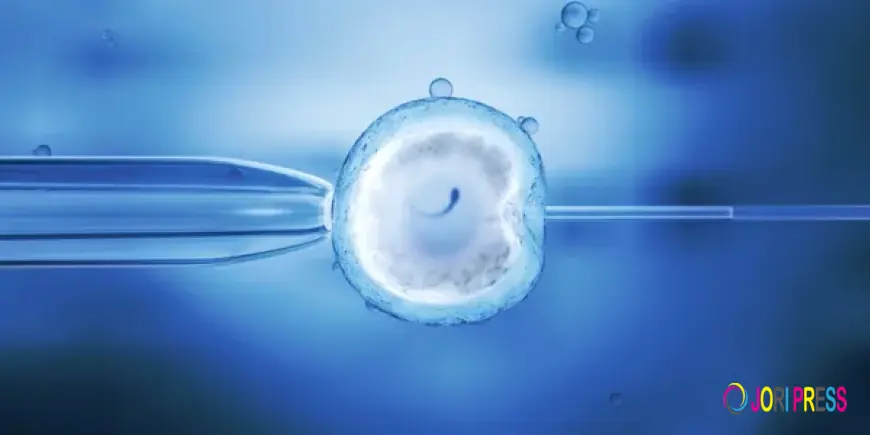
The primary difference lies in where fertilization occurs. In IUI, fertilization happens naturally inside the woman's body, specifically in the fallopian tubes. The procedure simply helps sperm get closer to the egg. In contrast, IVF involves fertilization outside the body in a laboratory setting. Eggs are retrieved from the ovaries, fertilized with sperm in a dish, and resulting embryos are then transferred to the uterus.
The complexity and invasiveness of these procedures differ substantially. IUI is a simple, quick procedure that doesn't require anesthesia or recovery time. IVF is more complex, involving egg retrieval surgery under sedation, laboratory fertilization, and embryo transfer. The medication protocols also vary significantly. IUI typically requires minimal medication, often just oral fertility drugs to stimulate ovulation. IVF involves extensive hormone injections over several weeks to stimulate multiple egg production.
Cost is another major differentiator. IUI is considerably more affordable, typically costing a fraction of IVF treatment. This makes it accessible to more couples and allows for multiple attempts without significant financial strain. IVF requires substantial financial investment, though success rates per cycle are generally higher. Time commitment differs as well, with IUI cycles being relatively quick and less demanding on your schedule, while IVF requires frequent appointments for monitoring, medication adjustments, and procedures.
Comparing Success Rates
Success rates for IUI typically range from 10-20% per cycle for women under 35, decreasing with age. Most fertility specialists recommend trying 3-6 IUI cycles before considering IVF, as cumulative success rates improve with multiple attempts. Factors affecting IUI success include age, sperm quality, the cause of infertility, use of fertility medications, and timing precision.
IVF success rates are generally higher, often exceeding 40-50% per cycle for women under 35 at advanced IVF Center in Jaipur facilities. However, success rates decline with maternal age for both procedures. IVF's higher success rate per cycle must be weighed against its significantly higher cost and physical demands. Many couples find that starting with IUI makes sense financially and emotionally, reserving IVF for cases where IUI proves unsuccessful.
When to Move from IUI to IVF
Most fertility specialists recommend moving to IVF after 3-6 unsuccessful IUI cycles, particularly for women over 35 where time is more critical. Other indicators for transitioning to IVF include severe male factor infertility that IUI cannot overcome, blocked or severely damaged fallopian tubes, severe endometriosis, poor egg quality or ovarian reserve, the need for genetic testing of embryos, or when age-related fertility decline requires more aggressive treatment.
Your fertility specialist will consider your complete medical history, age, specific diagnosis, previous treatment outcomes, and personal preferences when recommending whether to continue with IUI or transition to IVF. This decision should be made collaboratively, taking into account not just medical factors but also emotional readiness and financial considerations.
Emotional and Physical Considerations
The emotional impact of fertility treatments varies between IUI and IVF. IUI's lower success rate per cycle can lead to repeated disappointment, but its minimal physical impact makes it easier to attempt multiple times. The simplicity of the procedure also means less anxiety about the medical aspects. However, the uncertainty and waiting can still be emotionally challenging.
IVF involves more significant physical and emotional demands. The hormone injections can cause mood swings, bloating, and discomfort. Egg retrieval, while generally safe, is a surgical procedure with associated anxiety. The higher stakes of IVF – both financially and emotionally – can create intense pressure. However, the higher success rates can provide hope and the sense that you're doing everything possible to achieve pregnancy.
Making Your Decision
Choosing between IUI and IVF isn't always straightforward. Consider your specific diagnosis and fertility challenges, as some conditions respond better to one treatment than the other. Your age plays a crucial role, with women over 37-38 sometimes advised to proceed directly to IVF due to time sensitivity. Financial resources and insurance coverage are practical considerations that significantly impact treatment decisions.
Emotional readiness for the physical and psychological demands of each treatment matters greatly. Some couples prefer starting with the less invasive option, while others want the highest chance of success per cycle. Time constraints also factor in – if you're working with a limited timeframe, the higher success rates of IVF might outweigh its disadvantages. Your previous treatment history, if any, provides valuable information about how your body responds to interventions.
Moving Forward with Confidence
Both IUI and IVF have helped countless couples achieve their dreams of parenthood. There's no universally "right" choice – the best treatment depends on your unique circumstances, medical needs, and personal preferences. Many couples find success with IUI, while others benefit from IVF's advanced technology and higher success rates. Some begin with IUI and transition to IVF if needed.
The most important step is consulting with experienced fertility specialists who can evaluate your specific situation and guide you toward the treatment most likely to succeed. Be honest about your concerns, ask questions, and don't hesitate to seek second opinions. Fertility treatment is a journey, and having the right medical team supporting you makes all the difference. Whether you choose IUI, IVF, or a combination of treatments, modern reproductive medicine offers hope and real solutions for building your family. Stay informed, trust your medical team, and remember that every couple's path to parenthood is unique.
What's Your Reaction?
 Like
0
Like
0
 Dislike
0
Dislike
0
 Love
0
Love
0
 Funny
0
Funny
0
 Angry
0
Angry
0
 Sad
0
Sad
0
 Wow
0
Wow
0