



































Inside Walmart's Private Fleetfs,f
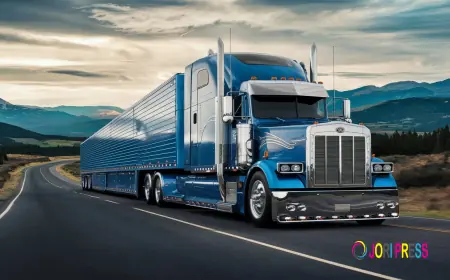
# Inside Walmart's Private Fleet: The Work Behind Store Deliveries Each Day A Walmart store may look like an ordinary retail destination to a customer, but keeping its shelves stocked involves a transportation operation that runs across a much larger network. Products must move from suppliers, manufacturing facilities, ports, and distribution centres to the locations where customers expect to find them. Behind that movement is a combination of inventory planning, warehouse operations, transportation scheduling, and professional truck driving. Walmart's private fleet is an important part of this system. Rather than relying exclusively on outside transportation providers, the retailer operates its own group of commercial drivers and vehicles to move merchandise through parts of its supply chain. These drivers connect distribution facilities with stores and other destinations, helping the company coordinate the movement of goods across its retail network. The operation also illustrates something important about modern trucking: the work of a commercial driver is closely connected to inventory management, delivery schedules, warehouse capacity, and the everyday demands of retail businesses. Understanding how this system works provides a useful perspective on the responsibilities involved in large-scale transportation. ## A Private Fleet Is More Than a Collection of Trucks A private fleet is a group of vehicles operated by a business to transport goods connected to its own operations. In Walmart's case, the fleet supports the movement of merchandise through its supply chain. The company employs professional drivers who operate its equipment and transport products between facilities and retail destinations. This arrangement differs from a traditional for-hire trucking company. A for-hire carrier transports freight for customers under commercial transportation agreements. A private fleet primarily supports the transportation requirements of the business that owns or operates it. The distinction affects how transportation is planned. A retailer with a large distribution network must coordinate freight movement with store demand, inventory levels, warehouse activity, and replenishment schedules. Having an internal transportation operation gives the company another way to coordinate these activities. It does not mean that every shipment is moved by company-owned trucks. Large retailers can use a combination of private fleet capacity, suppliers' transportation arrangements, and outside carriers. The balance depends on the type of merchandise, distance, delivery requirements, available equipment, and operational needs. Walmart's annual reporting describes this combination of transportation resources. Its U.S. distribution network uses both its private truck fleet and contracted common carriers. This is a useful reminder that even a large private fleet operates as part of a broader transportation system rather than as an isolated operation. ## How Distribution Centres Connect With Retail Stores Distribution centres are central to the movement of goods in a large retail network. They receive products from suppliers and other facilities, process incoming shipments, organize inventory, and prepare merchandise for onward transportation. The process can vary depending on the product. Some merchandise may arrive in large quantities and remain in storage until stores require replenishment. Other products may move through a facility quickly, with limited time spent in storage. Certain shipments may also be organized for specific destinations before they arrive at the distribution centre. Once merchandise is ready for transportation, outbound loads must be coordinated with available trucks, drivers, loading operations, and receiving schedules. The objective is not simply to send a truck onto the road. The shipment must arrive at the correct destination with the appropriate merchandise and within the expected delivery window. For a retailer operating many stores, this coordination becomes increasingly important. A distribution centre may serve multiple destinations, each with different inventory requirements and delivery patterns. Transportation planners must consider these requirements when arranging loads and dispatching vehicles. A delayed departure can affect the arrival time at a store. A change in receiving availability can affect the delivery sequence. A vehicle that becomes unavailable may require a replacement or a revised transportation plan. These are ordinary challenges in commercial freight operations, but their effects can become more significant when they occur across a large network. ## Why Store Replenishment Requires Careful Planning Retail inventory is constantly changing. Products leave shelves as customers make purchases, while new merchandise arrives through the supply chain. Stores therefore depend on regular replenishment to maintain suitable inventory levels. Transportation is one of the links that makes this possible. A store may need different quantities of merchandise depending on its size, customer demand, location, and time of year. A busy store may require frequent deliveries, while another location may have a different replenishment pattern. Seasonal products, promotional activity, and unexpected changes in demand can also influence transportation requirements. This means that delivery planning cannot always follow an identical routine. The transportation network must respond to changing business conditions. For example, a distribution centre preparing shipments for several stores needs to know which merchandise is required at each location. The outbound operation must then coordinate the correct products with suitable trailers, available drivers, and delivery appointments. A driver may complete a route involving more than one destination, depending on the assignment and operating plan. In other situations, a load may be intended for a single facility. The route structure depends on freight requirements, distance, scheduling, and the type of equipment being used. Efficient replenishment depends on coordination between departments. Warehouse employees, transportation planners, dispatch personnel, drivers, and store receiving teams all contribute to the movement of merchandise. ## The Driver's Role in a Large Retail Transportation Network Technology can help a company plan routes, monitor shipments, and organize transportation schedules, but it cannot eliminate the responsibilities of the person operating the vehicle. Commercial drivers must manage the practical demands of moving heavy equipment safely through changing road and traffic conditions. They are responsible for conducting required inspections, operating vehicles appropriately, following applicable regulations, and communicating relevant problems during a trip. The work also requires time management. Drivers must understand their assignments, follow approved routes, account for traffic conditions, and arrive at delivery locations according to operational instructions. At a distribution centre, the driver may need to coordinate with shipping personnel before departing. At a store or other receiving facility, the driver may have to follow site-specific procedures. Access restrictions, yard conditions, loading arrangements, and receiving schedules can all affect the delivery process. A driver also needs to recognize when an issue requires attention. Equipment problems, unsafe weather, road closures, unexpected delays, and discrepancies in shipment documentation should not be ignored simply to maintain a schedule. In a well-managed transportation operation, communication is an important part of the driver's responsibilities. Dispatchers and supervisors need accurate information when a delivery plan changes. Early communication can give the company more time to adjust its arrangements and limit disruption. ## Why Delivery Timing Matters to Retail Operations A delivery appointment is more than a time recorded on a transportation schedule. It connects the movement of freight with the receiving capacity of the destination. Stores have employees, equipment, and designated areas for receiving merchandise. If several deliveries arrive at the same time, the receiving process may become more difficult to manage. If a shipment arrives significantly later than expected, the store may need to adjust its plans. Distribution centres face similar challenges. Outbound freight must be prepared, staged, and loaded in coordination with departure schedules. Vehicles cannot always wait indefinitely without affecting other planned movements. For this reason, transportation planners must consider both the time needed to move freight and the time required to handle it at each end of the journey. Traffic congestion is one factor that can make delivery planning difficult. Weather, construction, road restrictions, mechanical problems, and unexpected delays can also affect arrival times. A realistic transportation plan needs to account for these uncertainties. Schedules should support efficient operations without encouraging unsafe driving or unrealistic expectations. For drivers, this means that arriving safely is more important than attempting to recover every minute lost to traffic or other circumstances. A delivery schedule should operate within applicable driving and safety requirements. ## Equipment and Trailer Management Behind the Deliveries A large transportation network requires more than tractors and qualified drivers. Trailers, maintenance facilities, fuel arrangements, tires, inspection procedures, and equipment availability all influence how reliably freight can move. The trailer must be appropriate for the merchandise being transported. Different types of freight may require different trailer configurations or handling arrangements. Temperature-sensitive products, for example, require suitable refrigerated equipment and monitoring procedures. General merchandise may use different trailer arrangements depending on the load and transportation plan. The important consideration is matching the equipment to the freight and the operating requirements. Equipment availability also affects scheduling. A tractor that needs maintenance cannot be treated as ready for dispatch. A trailer awaiting inspection or repair may not be suitable for loading. Transportation teams therefore need reliable information about the condition and location of their equipment. Preventive maintenance is an important part of this process. Regular inspections and servicing help identify problems before they become more serious. Drivers also play a role by completing required vehicle inspections and reporting defects. These practices are relevant to every commercial fleet, whether it belongs to a retailer, a manufacturer, a construction company, or a for-hire carrier. ## Safety Is a Daily Operational Responsibility The size of a transportation network does not reduce the importance of basic safety practices. In fact, a fleet operating across many locations must maintain consistent expectations for vehicle condition, driver conduct, and compliance. A commercial driver must understand the vehicle being operated and recognize the risks associated with its size and weight. Stopping distances, turning space, visibility, braking performance, and vehicle stability require attention throughout a trip. Weather can introduce additional challenges. Rain, snow, ice, strong winds, and reduced visibility may require changes to driving speed or route decisions. Drivers should follow applicable safety procedures and avoid continuing when conditions make travel unsafe. Vehicle inspections are another essential responsibility. A defect involving tires, brakes, lights, steering components, or other safety-related equipment may affect the ability to operate the vehicle safely. Drivers and carriers must follow the applicable inspection, repair, and documentation requirements. Federal commercial motor vehicle safety rules also address driver qualification, hours of service, vehicle maintenance, and other operational responsibilities. The requirements depend on the type of operation and applicable regulations. The <a href="https://www.fmcsa.dot.gov/">Federal Motor Carrier Safety Administration (FMCSA)</a> provides official information about commercial motor vehicle safety and regulatory requirements. Its guidance is useful for drivers and fleet operators who need to understand their responsibilities. Safety is not simply a matter of passing an inspection or completing a training programme. It is an ongoing part of daily transportation work. ## The Skills and Qualifications Behind Private Fleet Driving Operating a commercial vehicle for a large retailer requires more than an interest in driving. Drivers must meet the licensing, qualification, and experience requirements applicable to the position. The type of commercial vehicle determines the CDL classification needed. Drivers operating qualifying combination vehicles generally need a Class A CDL, while other commercial vehicles may require a different classification. Additional endorsements or restrictions may also apply. Walmart's driver recruitment information identifies specific qualifications for its private fleet positions. Its published requirements include an interstate Class A CDL with a hazardous materials endorsement, subject to the stated hiring conditions, and at least 30 months of full-time Class A tractor-trailer driving experience during the previous three years. Candidates should always review the current vacancy because hiring requirements and available opportunities can change. Beyond formal qualifications, employers may consider driving history, safety performance, professional conduct, and the ability to follow operating procedures. Experience is particularly important when a driver is expected to work independently across different routes and delivery locations. Familiarity with commercial vehicle inspections, trip planning, safe maneuvering, and regulatory responsibilities can help a driver adapt to the demands of a large fleet. For people considering this type of career, it is worth understanding the difference between obtaining a CDL and meeting an individual employer's hiring standards. A commercial license establishes an important qualification, but it does not automatically guarantee eligibility for every driving position. ## What Drivers Should Understand About Compensation Compensation is an important consideration when comparing commercial driving opportunities. However, a driver's earnings should not be evaluated using one headline figure alone. Published annual earning figures may represent potential first-year earnings, estimated total compensation, or a figure based on particular schedules and operating conditions. They should not automatically be interpreted as a guaranteed hourly wage. The way a driving position is paid also matters. Some jobs use mileage-based pay, while others may include hourly components, activity-based payments, bonuses, or a combination of compensation methods. The details depend on the employer and position. Drivers comparing opportunities should look beyond the advertised amount. Relevant questions include: - Is compensation based on hourly work, mileage, or another structure? - What is the expected weekly or annual schedule? - How are additional duties and waiting time handled? - Are there eligibility requirements for bonuses? - What benefits are available to employees? - How much time is typically spent away from home? - Are the advertised earnings guaranteed or presented as potential earnings? It is also useful to distinguish between annual pay and hourly earnings. Dividing an advertised annual figure by a standard number of working hours can produce a rough comparison, but it may not reflect the actual compensation structure or hours worked. Drivers researching Walmart's private fleet can consult the current recruitment information and review a <a href="https://www.truckinghub.blog/2024/06/Drive4Walmart.html">guide to Drive4Walmart pay and hourly earnings</a> for additional context on compensation, hiring requirements, and the application process. Any pay figures should be checked against current Walmart job postings because advertised amounts and employment conditions may vary. A careful comparison helps drivers make decisions based on the actual position rather than relying on a single salary estimate. ## Technology Helps Coordinate the Network Modern transportation operations rely on information as much as physical equipment. Fleet managers need to know where vehicles are, which shipments are ready, and whether deliveries are progressing according to schedule. Transportation technology can support several activities, including route planning, shipment tracking, dispatch communication, maintenance scheduling, and operational reporting. For example, shipment tracking can help a transportation team identify delays and provide updated arrival estimates. Electronic communication can help drivers and dispatch personnel exchange information without relying entirely on phone calls. Data also helps companies review recurring operational problems. If a particular route regularly experiences delays, planners may examine traffic patterns, delivery schedules, or facility procedures. If a vehicle repeatedly requires repairs, maintenance teams can investigate the underlying cause. However, technology does not replace professional judgment. Route recommendations must still be evaluated in light of vehicle restrictions, road conditions, weather, and applicable regulations. Drivers remain responsible for operating safely and following lawful instructions. The most useful technology is the kind that helps people make better decisions and coordinate their work more effectively. ## How Outside Carriers Fit Into the Same Supply Chain Even when a retailer maintains a large private fleet, outside transportation companies can remain an important part of its logistics network. Freight demand changes over time. Seasonal merchandise, supplier locations, special delivery requirements, and variations in available equipment can influence how much transportation capacity is needed. Contracted carriers provide additional capacity and may serve routes or shipments that are not handled by the private fleet. They can also help businesses respond to temporary increases in freight demand. This combination is common in large supply chains. A company does not necessarily need to own every vehicle involved in moving its products. Instead, it can use its internal transportation resources alongside outside providers. For trucking companies, this creates opportunities to participate in the wider movement of retail freight. For drivers, it demonstrates that the supply chain includes many different types of employers and operating arrangements. A private fleet driver and a driver working for a for-hire carrier may transport similar merchandise, but their employment arrangements, schedules, compensation systems, and operating responsibilities can differ. Understanding these distinctions is useful when evaluating career opportunities or studying how large retailers organize transportation. ## What the Walmart Model Shows About Modern Trucking Walmart's private fleet provides an example of how transportation supports a large retail business. Its drivers, tractors, trailers, distribution centres, and transportation teams form part of a system designed to move merchandise where it is needed. The company's published driver information describes a fleet of approximately 16,000 Class A drivers travelling around one billion miles annually. These figures illustrate the scale of the operation, although fleet size and operating statistics can change over time. The broader lesson is that trucking is closely connected to business operations. A commercial vehicle does not simply carry freight from one location to another. Its movement is part of a larger process involving purchasing, inventory, warehouse management, customer demand, and store operations. The same principle applies to many other industries. Manufacturers depend on trucks to move raw materials and finished products. Construction companies require equipment and building materials at project locations. Food distributors depend on reliable transportation to supply stores and restaurants. In each case, professional drivers help connect different parts of the economy. ## Final Thoughts Keeping retail stores supplied requires a coordinated effort involving suppliers, warehouses, transportation planners, drivers, and receiving teams. Walmart's private fleet is one example of how a major retailer uses its own transportation resources alongside outside carriers to support the movement of merchandise. For drivers, this type of work involves more than spending time behind the wheel. It requires suitable qualifications, safe operating practices, communication skills, and an understanding of how deliveries fit into a wider supply chain. For people exploring commercial driving careers, learning how private fleets operate can provide a clearer picture of the opportunities and responsibilities involved. Looking at the work behind store deliveries also reveals why professional trucking remains an essential part of America's retail and transportation infrastructure.

Trucking Jobs 75025: Job Openings For Truck Drivers - €45,000/Year
Hiring Rigid Drivers - Dublin North, Ireland
Job Title: Rigid Driver
Company: TD Talent
Location: Dublin North, Ireland
Date Posted: 05/09/2024
Salary: €45,000 per year
Contact:
Tel: 01-6971803
Email: Donal - donal@tdtalent.ie
Job Type: Permanent / Full-time
About the Role:
TD Talent seeks an experienced Rigid Driver to join a leading Fast-Moving Consumer Goods (FMCG) company in Dublin North. This is a full-time, permanent position that involves performing multi-drop deliveries throughout Dublin and across Ireland. Previous experience in similar roles, especially with multi-drop deliveries, and a good understanding of Irish roads are highly desirable.
As a key team member, you will be responsible for ensuring the timely and safe delivery of goods. The position requires a valid C License, CPC, and tachograph card.
What's Your Reaction?
 Like
0
 Dislike
0
 Love
0
 Funny
0
 Angry
0
 Sad
0
 Wow
0