








































Improve Drilling Performance with the Right Drill Chuck
Learn how the right drill chuck improves drilling accuracy, reduces vibration, enhances tool life, and boosts productivity in various machining applications.

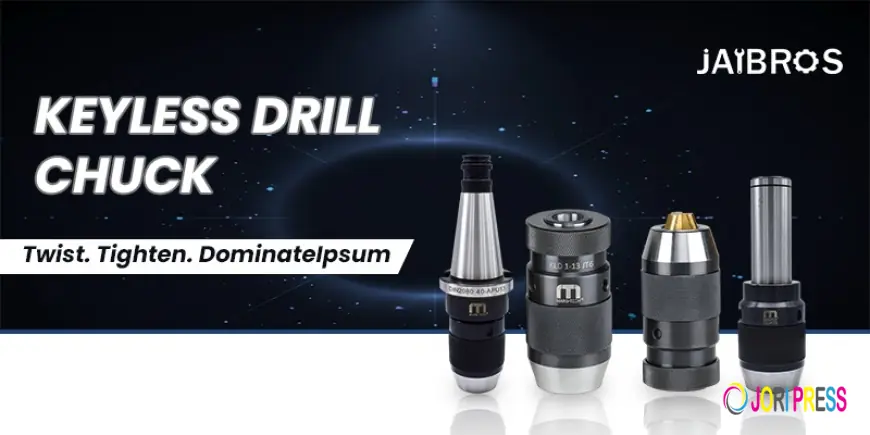
Learn how the right drill chuck improves drilling accuracy, reduces vibration, enhances tool life, and boosts productivity in various machining applications.
How to Improve Drilling Performance with the Right Drill Chuck
Among many other things, accuracy drilling forms part of the important requirements for today's industries, machining, woodworking, and maintenance jobs. Though many individuals are usually busy focusing on choosing the right drill bits and machines, little consideration is accorded to what brings the two components together. However, the effectiveness of the retaining device is an important consideration when it comes to drilling processes.
Choosing the right drill chuck helps reduce vibrations as well as ensure stability during the drilling process. Whether it is just a task within your workshop or some huge industrial application, it becomes very important to understand how to choose the right retaining device for drilling.
Why Drilling Performance Depends on Tool Holding
Sometimes there are challenges that occur during drilling and which do not directly come from the drill bit itself but arise out of improper tool handling.
A very good holder is the one that ensures stability and centrality of the drill bit during drilling. The spinning of the drill bit without any kind of wobbling means better drilling performance.
Benefits of proper tool holding include:
-
Better hole accuracy
-
Reduced vibration
-
Improved surface finish
-
Longer tool life
-
Increased productivity
-
Enhanced operator safety
Even small improvements in stability can produce noticeable gains in machining quality.
Understanding the Role of a Drill Chuck
A drill chuck is the component responsible for gripping and securing a drill bit to the machine spindle. It transfers rotational force from the machine to the cutting tool while maintaining alignment.
Its primary functions include:
-
Holding the drill bit firmly
-
Maintaining concentricity
-
Reducing runout
-
Supporting stable drilling operations
-
Allowing quick tool changes
Without proper gripping strength, the drill bit can slip during operation, resulting in inaccurate holes and wasted material.
Common Types Available
Different applications require different chuck designs.
Keyed Models
These designs use a drill chuck key to tighten and loosen the jaws. They provide strong gripping force and are commonly used for heavy-duty drilling operations.
Advantages:
Excellent holding power
Suitable for larger drill bits
Reliable under high torque conditions
Keyless Models
These can be tightened by hand without additional tools.
Advantages:
Faster bit changes
Improved convenience
Reduced downtime
They are commonly used in portable drills and light industrial applications.
Precision Chucks
Designed for high-accuracy machining applications, these units offer minimal runout and excellent balance characteristics.
They are often used in aerospace, automotive, and precision engineering industries.
Selecting the Correct Size for Better Results
One of the most important factors when choosing a chuck is capacity. Different drilling applications require different gripping ranges.
Manufacturers offer various drill chuck sizes to accommodate different drill diameters and machining requirements.
When selecting a size, consider:
-
Maximum drill bit diameter
-
Machine spindle specifications
-
Required drilling depth
-
Material type
-
Production volume
Using a capacity that is too small can limit flexibility, while oversized options may reduce gripping efficiency for smaller tools.
Size Selection Tips
-
Match capacity with your most commonly used drill bits.
-
Verify spindle compatibility before purchasing.
-
Consider future tooling requirements.
-
Choose industrial-grade options for demanding applications.
Selecting the correct capacity helps maintain stability and improves operational efficiency.
Factors That Affect Drilling Accuracy
Several factors influence drilling quality. Understanding these elements helps operators make better equipment decisions.
1. Runout Control
Runout occurs when the drill bit rotates off-center. Even minor runout can lead to:
Oversized holes
Poor surface finish
Increased tool wear
Precision components minimize runout and improve hole consistency.
2. Clamping Force
Strong gripping force prevents bit movement during drilling.
Benefits include:
Better accuracy
Reduced slippage
Improved cutting performance
Increased safety
A secure grip becomes especially important when drilling hard materials.
3. Balance and Stability
Balanced rotating components generate less vibration.
Advantages include:
Smoother operation
Better finish quality
Longer machine life
Improved productivity
Stable rotation also reduces operator fatigue during extended operations.
4. Material Quality
High-quality construction materials provide greater durability and wear resistance.
Look for products manufactured from:
Hardened steel
Precision-ground components
Corrosion-resistant materials
Quality construction contributes to long-term reliability and consistent performance.
How Proper Maintenance Improves Performance
Even the best equipment requires regular maintenance to perform effectively.
Routine maintenance helps maintain gripping force and extends service life.
Cleaning Procedures
Dust, chips, and coolant residue can accumulate over time.
Recommended practices:
-
Remove debris after use
-
Wipe external surfaces regularly
-
Inspect jaws for wear
-
Keep moving parts clean
Clean equipment operates more smoothly and maintains better accuracy.
Lubrication
Proper lubrication reduces friction and protects internal components.
Best practices:
-
Follow manufacturer recommendations
-
Use suitable lubricants
-
Avoid excessive application
-
Perform maintenance at scheduled intervals
Inspection
Regular inspections help identify wear before it affects production.
Check for:
-
Jaw damage
-
Excessive runout
-
Corrosion
-
Loose components
Preventive maintenance minimizes unexpected downtime.
Importance of Proper Tightening
Incorrect tightening can negatively impact drilling quality.
For keyed designs, a drill chuck key should be used correctly to achieve uniform clamping pressure. Uneven tightening may cause misalignment and reduced gripping force.
To achieve optimal results:
-
Tighten all key positions evenly
-
Verify tool security before operation
-
Avoid over-tightening
-
Replace worn keys when necessary
Proper tightening practices improve safety and drilling consistency.
Choosing the Right Solution for Different Applications
Different industries have unique drilling requirements.
Metalworking
Metal drilling often involves higher cutting forces and greater precision demands.
Recommended features:
-
High gripping strength
-
Precision manufacturing
-
Excellent runout control
Woodworking
Woodworking applications benefit from quick tool changes and ease of operation.
Preferred features:
-
Fast bit replacement
-
Lightweight design
-
Reliable grip
Industrial Manufacturing
Large-scale production environments prioritize consistency and durability.
Key requirements:
-
Long service life
-
Stable performance
-
Reduced maintenance requirements
CNC Operations
When a drilling system is integrated with a cnc tool setup, precision becomes even more critical. Consistent tool holding supports automation and helps maintain dimensional accuracy across production runs.
Common Mistakes That Reduce Drilling Efficiency
Many performance issues result from avoidable mistakes.
Using Worn Components
Worn jaws may fail to grip securely, causing slippage and poor accuracy.
Ignoring Maintenance
Lack of cleaning and inspection can lead to premature wear and reduced performance.
Choosing the Wrong Capacity
Incorrect sizing may affect stability and drilling quality.
Poor Tightening Practices
Improper tightening can create imbalance and increase runout.
Avoiding these mistakes helps maximize productivity and tool life.
Future Trends in Drilling Technology
Modern manufacturing continues to demand higher levels of precision and efficiency.
Emerging developments include:
-
Improved precision engineering
-
Enhanced balancing technology
-
Advanced wear-resistant materials
-
Faster tool change systems
-
Smart monitoring capabilities
These innovations help manufacturers achieve better performance while reducing operational costs.
Conclusion
The improvement of drilling operations is not all about getting the right drill bit or machine. In addition to these components, having the right tool holder system is also just as important to achieve good results. This is because by selecting the right drill chuck and properly taking care of it in accordance with its intended use, it will be possible to decrease vibrations and increase the quality of the hole drilled while at the same time prolonging the life of the tool used. Companies such as jaibros understand the importance of reliable tooling solutions in achieving consistent machining performance.
FAQs
1. Why is tool holding important in drilling?
Proper tool holding improves accuracy, reduces vibration, and prevents drill bit slippage during operation.
2. What is the difference between keyed and keyless chucks?
Keyed models use a key for tightening and offer stronger gripping force, while keyless models allow quicker tool changes.
3. How often should drilling equipment be maintained?
Regular cleaning and inspection after use, along with periodic lubrication, help ensure long-term performance.
4. Can poor tool holding affect hole quality?
Yes. Poor gripping can cause runout, oversized holes, rough finishes, and premature tool wear.
5. How do I choose the correct chuck capacity?
Select a capacity that matches your drill bit range, machine specifications, and application requirements.
What's Your Reaction?
 Like
0
Like
0
 Dislike
0
Dislike
0
 Love
0
Love
0
 Funny
0
Funny
0
 Angry
0
Angry
0
 Sad
0
Sad
0
 Wow
0
Wow
0