








































Why Hydraulic Filter Elements Are Essential for Industrial Hydraulic System Performance
Learn how hydraulic filter elements protect industrial hydraulic systems, improve efficiency, reduce downtime, and extend equipment life.
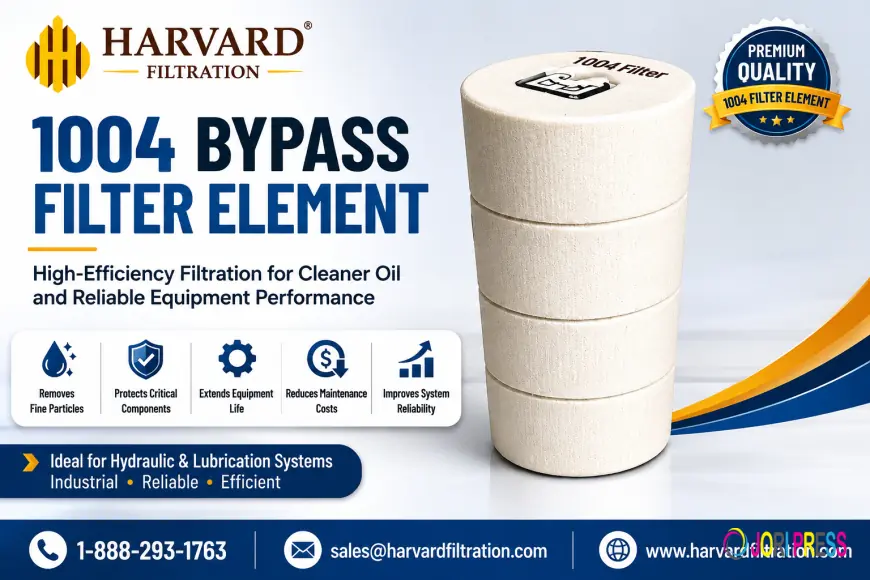
Industrial hydraulic systems are used in a wide range of applications, including manufacturing plants, construction equipment, mining machinery, agricultural equipment, and material handling systems. These systems depend on clean hydraulic fluid to operate efficiently and reliably. One of the most critical components responsible for maintaining fluid cleanliness is the hydraulic filter element.
Hydraulic filter elements play a vital role in protecting expensive equipment from contamination-related damage. By removing harmful particles and impurities from hydraulic fluid, they help improve system performance, reduce downtime, and extend the lifespan of critical components.
Understanding Hydraulic Filter Elements
A hydraulic filter element is a replaceable filtration component installed within a hydraulic filter housing. Its primary purpose is to capture contaminants present in hydraulic oil before they can circulate through the system and damage sensitive components.
Contaminants commonly found in hydraulic systems include:
- Dust and dirt particles
- Metal shavings from component wear
- Rust and corrosion particles
- Water contamination
- Seal and gasket debris
- Oxidized oil deposits
Even microscopic contaminants can significantly impact hydraulic system performance if not properly filtered.
How Hydraulic Filter Elements Work
Hydraulic filter elements function by forcing hydraulic fluid through a specially designed filter media. As fluid passes through the filter, contaminants are trapped while clean oil continues flowing through the system.
The filtration process involves three key stages:
Surface Filtration
Large contaminants are captured on the outer surface of the filter media. This prevents larger particles from entering critical hydraulic components.
Depth Filtration
Smaller particles become trapped within multiple layers of filter media. This deeper filtration process improves contaminant removal efficiency.
Clean Fluid Delivery
After filtration, clean hydraulic fluid exits the filter and continues circulating through pumps, valves, cylinders, and motors.
This continuous filtration process helps maintain hydraulic fluid cleanliness and system reliability.
Benefits of Hydraulic Filter Elements
Improved Equipment Protection
Hydraulic systems contain precision-engineered components that operate under high pressure. Contaminants can cause scratches, wear, and premature failure. High-quality hydraulic filter elements protect these components from damage.
Increased System Efficiency
Clean hydraulic fluid flows more efficiently through the system. Proper filtration helps maintain consistent pressure levels and optimal equipment performance.
Reduced Maintenance Costs
Contamination is one of the leading causes of hydraulic system failure. Effective filtration reduces the need for costly repairs and component replacements.
Extended Fluid Life
Hydraulic oil lasts longer when contaminants are removed regularly. This reduces fluid replacement costs and minimizes waste.
Less Downtime
Unexpected equipment failures can disrupt operations and reduce productivity. Hydraulic filter elements help prevent contamination-related breakdowns and keep equipment running smoothly.
Common Types of Hydraulic Filter Elements
Industrial hydraulic systems use several types of filter elements depending on system requirements.
Suction Filter Elements
Installed before the hydraulic pump, suction filters protect pumps from large contaminants entering the system.
Pressure Filter Elements
These filters operate on the pressure side of the system and provide fine filtration before fluid reaches sensitive components.
Return Line Filter Elements
Located in the return line, these filters clean hydraulic fluid before it returns to the reservoir.
Offline Filtration Elements
Also known as kidney-loop filters, these systems continuously filter hydraulic oil independently from the main hydraulic circuit.
Signs Your Hydraulic Filter Element Needs Replacement
A clogged or damaged hydraulic filter element can reduce system performance. Common warning signs include:
- Increased pressure drop
- Reduced hydraulic power
- Slow machine operation
- High operating temperatures
- Frequent maintenance alerts
- Noisy hydraulic pumps
- Excessive fluid contamination
Regular inspections and scheduled filter replacements help maintain peak performance.
Choosing the Right Hydraulic Filter Element
Selecting the correct hydraulic filter element is essential for system protection. Important factors include:
Micron Rating
The micron rating determines the size of particles the filter can capture. Lower micron ratings provide finer filtration.
Flow Rate
The filter must accommodate the system's required flow rate without restricting performance.
Pressure Rating
Industrial hydraulic systems often operate under high pressure. The filter element should match the system's pressure requirements.
Filter Media Type
Common media options include cellulose, synthetic fibers, fiberglass, and wire mesh. Each offers different filtration capabilities and service life.
Best Practices for Hydraulic Filtration
To maximize filtration performance:
- Monitor contamination levels regularly
- Follow manufacturer replacement schedules
- Use high-quality replacement filter elements
- Store hydraulic fluid properly
- Inspect hydraulic reservoirs and seals
- Perform routine fluid analysis
Preventive maintenance helps avoid costly repairs and extends equipment life.
Conclusion
Hydraulic filter elements are a critical part of every industrial hydraulic system. They remove contaminants, protect valuable equipment, improve efficiency, and reduce operating costs. Investing in high-quality filtration solutions helps businesses maximize productivity while minimizing downtime and maintenance expenses.
What's Your Reaction?
 Like
0
Like
0
 Dislike
0
Dislike
0
 Love
0
Love
0
 Funny
0
Funny
0
 Angry
0
Angry
0
 Sad
0
Sad
0
 Wow
0
Wow
0