







































How to Start Your Own Trading Platform with Zerodha Clone Software
A Zerodha Clone Software solution provides a starting point for building a trading application with functionality similar to popular stock trading platforms.


The online stock trading industry has created new opportunities for entrepreneurs interested in financial technology. Investors increasingly expect convenient mobile applications, real-time market information, simple order placement, and easy portfolio management. This growing demand has encouraged businesses to explore the development of their own online trading platforms.
A Zerodha Clone Software solution provides a starting point for building a trading application with functionality similar to popular stock trading platforms. Instead of developing every component from scratch, businesses can use a structured software solution and customize it according to their requirements.
However, launching a trading platform involves more than creating an application with charts and buy-and-sell buttons. Business planning, broker connectivity, regulatory requirements, security, and user experience all play important roles. Let's explore how entrepreneurs can approach this process.
1. Understand the Trading Platform Business Model
Before investing in development, entrepreneurs should understand how their proposed trading platform will operate. A is generally designed to replicate common trading platform functionalities, not Zerodha's proprietary technology or business operations.
-
Brokerage-based model: Operate through an appropriately authorized brokerage business and earn revenue from permitted brokerage services.
-
Broker-integrated platform: Build a technology platform that connects users with an authorized brokerage partner.
-
White-label solution: Use an existing trading technology solution and customize its branding, interface, and supported features, subject to licensing and contractual permissions.
The right approach depends on the target market, available investment, regulatory requirements, and business objectives. Entrepreneurs should define their target audience, supported financial products, revenue model, and geographical market before selecting a development approach.
2. Choose the Right Zerodha Clone Software
Selecting suitable software is one of the most important decisions in the development process. A reliable solution should support the essential functions required to operate a modern trading application. When evaluating Zerodha Clone Software, businesses should examine its architecture, customization options, security arrangements, scalability, and integration capabilities.
-
Support for web and mobile applications.
-
Integration with authorized brokerage and market-data providers.
-
Real-time market information capabilities.
-
Order management and portfolio tracking.
-
Secure account authentication.
-
Administrative controls and reporting.
-
Documentation and ongoing technical support.
3. Essential Features of Your Trading Platform
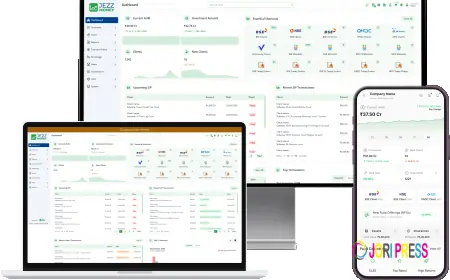
User Registration and Login: Allows users to create accounts, complete required verification procedures, and securely access their trading dashboard.
Live Market Data: Displays market prices, price movements, trading volumes, and other information through appropriate market-data integrations.
Watchlist Management: Enables users to track selected stocks and monitor price changes from one place.
Buy and Sell Interface: Provides an interface for placing supported orders through an authorized broker integration.
Portfolio and Holdings: Displays investment positions, holdings, and relevant portfolio information.
Order Management: Allows users to review pending, completed, rejected, and cancelled orders.
Charts and Technical Indicators: Helps users examine price movements through charts and supported technical analysis tools.
Admin Dashboard: Provides authorized administrators with tools to manage user accounts, monitor application activity, and review operational reports.
4. Integrate Brokerage Services and Market Data
A trading application needs reliable connections to external financial systems to provide actual trading functionality. Brokerage API integration allows the platform to communicate with an authorized broker's systems. Depending on the integration, users may be able to access account information, retrieve eligible market data, place orders, and review transaction statuses.
-
API documentation and supported functions.
-
Data availability and update frequency.
-
Authentication and authorization methods.
-
Transaction response handling.
-
API usage restrictions and commercial licensing.
-
Service availability and technical support.
It is important to understand that displaying stock prices does not automatically provide permission to execute trades. Actual trading functionality depends on the appropriate brokerage relationship, authorization, and applicable market regulations.
5. Test and Launch Your Trading Platform
Once development is complete, the platform should undergo detailed testing before becoming available to users. The testing process should cover registration, authentication, watchlist updates, market-data display, broker API connections, order handling, portfolio information, and administrative functions.
Developers should also evaluate the application's performance under different user loads. Security testing is particularly important because weaknesses in authentication or API handling can expose sensitive information. A practical launch strategy is to begin with a controlled release. This allows the business to collect feedback, identify technical issues, and improve the user experience before expanding its customer base. After launch, regular maintenance, infrastructure monitoring, and security updates will help maintain application reliability.
6. Explore Future Business Growth Opportunities
Launching the first version of a trading platform is only the beginning. Businesses can gradually expand their services based on customer demand and operational requirements. Potential improvements include advanced charting tools, portfolio analytics, personalized watchlists, improved mobile experiences, automated notifications, and additional authorized brokerage integrations. Businesses can also explore supporting more financial products where they have the necessary approvals and technical partnerships. The focus should remain on providing a secure and convenient trading experience rather than adding features without a clear business purpose.
Final Thoughts
Starting your own trading platform with Zerodha Clone Software requires a combination of business planning, application development, brokerage integration, and regulatory preparation. Entrepreneurs should begin by selecting a suitable business model, identifying essential features, and choosing technology that can support future growth. A well-developed platform should offer more than an attractive interface. It needs dependable integrations, secure account management, accurate market information, and properly authorized trading functionality. For businesses exploring this opportunity, Working with a capable development partner can help organize technical requirements and build a platform aligned with the business's objectives. With the right planning and development approach, entrepreneurs can establish an independent digital trading platform designed around their target audience and long-term business vision.
What's Your Reaction?
 Like
0
 Dislike
0
 Love
0
 Funny
0
 Angry
0
 Sad
0
 Wow
0