






























How EdTech Is Bridging the Gap Between Students and Universities

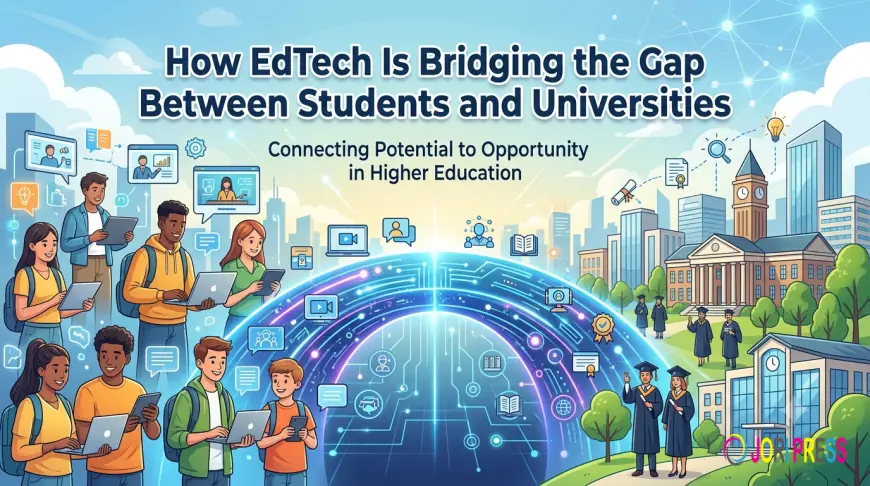
Universities and prospective students have historically been separated by more than just geography — differences in admission processes, unclear programme information, rigid schedules, and limited direct interaction have all made it harder for students to find and access the right higher education opportunities. EdTech platforms have emerged as a practical bridge across these gaps, connecting students more directly and efficiently with universities and the programmes best suited to their goals. This blog explores how that bridging role actually works.
The Traditional Gaps Between Students and Universities
-
Information asymmetry: Prospective students often struggled to get clear, comparable information about programme structures, faculty, fees, and outcomes across different universities.
-
Geographic barriers: Students outside major cities had limited practical access to top universities, which were often concentrated in metro areas.
-
Rigid admission and delivery formats: Traditional university programmes typically followed fixed academic calendars and full-time, on-campus formats, excluding working professionals and those with other commitments.
-
Limited direct interaction before enrolment: Students often had to make significant education decisions with limited opportunity to interact with faculty, alumni, or current students beforehand.
How EdTech Platforms Bridge These Gaps
Centralised, Comparable Information
EdTech platforms often aggregate and present programme information — curricula, fees, faculty, accreditation — in a standardised, comparable format, making it significantly easier for students to evaluate multiple university options side by side.
Geographic Reach Through Online Delivery
By partnering with universities to deliver programmes online, EdTech platforms extend a university's reach far beyond its physical campus location, allowing students from smaller towns and cities to access the same faculty and curriculum as students in major metros.
Flexible Programme Formats
EdTech platforms have played a significant role in encouraging and supporting universities to offer more flexible programme formats — part-time, online, and hybrid options — that accommodate a broader range of student circumstances, including working professionals and those with family or other commitments.
Direct Counselling and Guidance
Many EdTech platforms provide dedicated admissions counsellors who help prospective students understand programme fit, eligibility, and application processes — a layer of personalised guidance that wasn't always readily available through traditional university admission offices, particularly for students applying from a distance.
Streamlined Application and Enrolment Processes
EdTech platforms often simplify and digitise application processes, reducing friction in tasks like document submission, fee payment, and enrolment confirmation, making it easier for students to complete the transition from prospective applicant to enrolled learner.
Ongoing Support Throughout the Learning Journey
Beyond admissions, EdTech platforms typically provide ongoing academic and technical support throughout a student's programme, acting as an additional layer of support alongside the university's own faculty and administration.
The University Perspective: Why This Partnership Works
Universities benefit from EdTech partnerships as well — gaining access to broader student reach, established digital learning infrastructure, and marketing and admissions support, without needing to build this infrastructure entirely in-house. This allows universities to focus on academic quality and curriculum design while leveraging EdTech platforms' operational expertise in reaching and supporting a broader, more geographically dispersed student base.
Ensuring Quality in This Bridging Role
Not all EdTech platforms fulfil this bridging role with the same level of rigour. When evaluating an EdTech platform's role in connecting you with a university programme, look for:
-
Verified, direct university partnerships: Confirm that partnerships are genuine and that the university is properly accredited and UGC-entitled for the specific programme offered.
-
Transparent programme information: Look for clear, detailed curriculum and outcome information, rather than vague marketing claims.
-
Genuine counselling, not just sales: Quality counselling should focus on helping you find the right fit, not simply pushing enrolment regardless of suitability.
-
Continued support post-enrolment: A platform's role shouldn't end at admission — ongoing academic and technical support throughout the programme is a sign of a genuinely committed partnership.
A Two-Way Relationship, Not Just a Service Layer
It's worth understanding that the strongest EdTech-university partnerships function as genuine two-way relationships rather than a simple vendor arrangement. Universities contribute academic rigour, faculty expertise, and institutional credibility, while EdTech platforms contribute reach, technology infrastructure, and learner support at scale. When this partnership is built well, both the university's academic standards and the platform's operational strengths are preserved, and students benefit from the best of both — which is worth keeping in mind as a marker of quality when evaluating any specific programme.
Final Thoughts
EdTech platforms have meaningfully narrowed the historical gaps between students and universities — improving information access, expanding geographic reach, and enabling more flexible programme formats that fit a broader range of student circumstances. This bridging role has made quality higher education more accessible to a wider population of students than traditional university admission processes alone could achieve.
To explore how this bridging model connects students with accredited university programmes and flexible learning formats, visit Jaro Education
Frequently Asked Questions
How do EdTech platforms verify their university partnerships are legitimate?
Reputable platforms clearly disclose their university partnerships and the accreditation status of the programmes offered — always verify this directly with the university if you're unsure.
Do EdTech platforms replace the need to interact directly with universities?
No, EdTech platforms typically facilitate the connection and provide additional support, but universities remain responsible for academic delivery, faculty, and final degree conferral.
Can EdTech platforms help students access universities outside their home country?
Some platforms do facilitate access to international university programmes, though this varies by platform and specific partnership agreements.
Is it more expensive to enrol through an EdTech platform compared to directly through a university?
Not necessarily — many EdTech platforms offer the same fee structure as the university directly, with the platform's value coming from added support and streamlined processes rather than additional cost.
What should I do if I'm unsure whether a programme offered through an EdTech platform is legitimate?
Contact the partner university directly through its official website or admissions office to confirm the programme's accreditation and its relationship with the EdTech platform before enrolling.
What's Your Reaction?
 Like
0
Like
0
 Dislike
0
Dislike
0
 Love
0
Love
0
 Funny
0
Funny
0
 Angry
0
Angry
0
 Sad
0
Sad
0
 Wow
0
Wow
0