


































How Does an Ecopackaging Machine Turn Waste Cardboard Into Protective Packaging?
Explore how waste cardboard becomes protective packaging, from preparation and conversion to cushioning, product protection, and sustainable benefits.
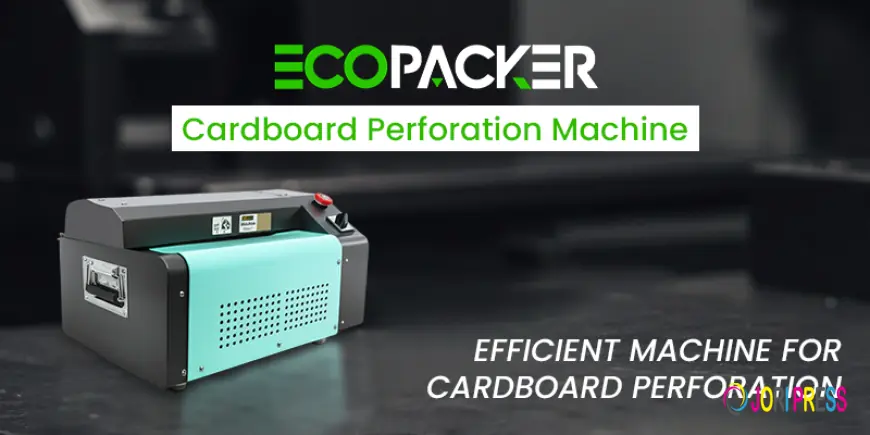
Reusing waste cardboard as packaging material is a simple solution to dispose of the material and create value from an abundant raw material used in many industries.Eco packaging machines transform the used cardboard sheets and cartons into cushioning materials, which will help safeguard the product during transportation and storage. Rather than disposing of the suitable cardboard in the recycling or landfill streams, the cardboard can be reused by converting it to packaging material where it is needed. The advantages of this process include reduced reliance on plastics for filling material, less discarding of cartons, and efficient use of resources. Knowledge of the process helps one choose suitable machinery and prepare the cardboard appropriately.
1. How Waste Cardboard Is Prepared
The process begins with collecting clean, dry, and suitable cardboard. Used cartons may contain tape, labels, staples, plastic pieces, or other unwanted materials, so proper sorting is important before processing.
Key preparation steps include:
-
Remove excessive tape, plastic films, and metal staples.
-
Flatten large cartons before feeding them into the equipment.
-
Keep cardboard dry to maintain consistent processing.
-
Separate heavily contaminated or damaged material.
-
Sort compatible cardboard according to thickness and quality.
Once prepared, the cardboard is placed into an ecopacker machine. The equipment then processes the material into a form that can be used for cushioning, wrapping, separation, or void filling.
2. Cutting, Creasing, and Converting Cardboard
Within the machine, mechanical processes that are controlled turn the flat cardboard into useful packaging material. The feed rollers will move the cardboard into the processing chamber, and depending on the needs, cut, perforate, slit or crease the material.
Depending on the equipment, the output can include:
-
Flexible cushioning pads for wrapping products.
-
Expanded structures that absorb impact.
-
Crumpled cardboard for filling empty spaces.
-
Protective sheets for separating individual products.
-
Custom-sized packaging material for different products.
The design of the machine determines the type of output produced. A properly adjusted ecopacker machine can create consistent material while minimizing unnecessary tearing and processing waste.
3. How Converted Cardboard Protects Products
The protective performance comes from the structure created during conversion. Cutting, folding, perforating, or expanding cardboard can create air spaces and flexible sections. These structures help distribute pressure and absorb some of the force generated when packages are handled, stacked, or transported.
An eco packaging machine can convert ordinary waste cartons into material that performs several protective functions. Cushioning can be placed around fragile products, while sheets can separate items and reduce direct contact. Expanded cardboard structures can also fill empty spaces inside shipping boxes.
Protection requirements depend on several factors:
-
Product weight and fragility.
-
Product dimensions and shape.
-
Amount of empty space inside the package.
-
Cardboard thickness and grade.
-
Number and positioning of protective layers.
-
Expected handling and transportation conditions.
For delicate or high-value products, packaging should be tested before being used on a large scale.
4. Benefits of Reusing Cardboard for Packaging
Reusing cardboard can provide operational benefits in addition to reducing waste. Businesses that regularly receive goods in corrugated boxes may already have a continuous supply of suitable material. Processing this material near the packing area can help reduce the need to purchase separate cushioning and void-fill products.
Important benefits include:
-
Better utilization of existing cardboard waste.
-
Lower volume of discarded cartons.
-
Reduced dependence on plastic-based fillers.
-
Potential savings on protective packaging materials.
-
On-demand production near packing stations.
-
Flexible packaging material for different products.
-
More organized handling of cardboard waste.
These advantages make eco packaging solutions useful for warehouses, manufacturers, e-commerce businesses, retailers, and distribution centers. However, companies should evaluate their actual packaging requirements before selecting equipment.
5. Selecting the Right Machine for Your Business
The right equipment should match the type and quantity of cardboard generated by the business. Important factors include processing capacity, compatible cardboard thickness, output format, machine dimensions, safety features, maintenance requirements, and operator convenience.
Businesses should first estimate how much cardboard they generate each day or week. This helps determine the required machine capacity and prevents selecting equipment that is either too small or unnecessarily large.
An ecopacker can work effectively when it is integrated into a well-planned packaging workflow. A suitable area should be provided for collecting and sorting cardboard, while the converted material should be stored close to packing stations.
For businesses looking for eco packaging solutions, the machine should be considered as part of the overall packaging system rather than simply as a waste-processing device. The goal is to convert suitable waste into useful protective material while maintaining packing speed, product safety, and consistent output.
Conclusion
Turning waste cardboard into protective packaging is a practical way to make better use of existing materials. With proper sorting, controlled conversion, and suitable application, businesses can transform used cartons into cushioning, wrapping, separation, and void-filling material. This can help reduce packaging waste and dependence on conventional plastic fillers while improving material efficiency. Before investing in equipment, businesses should consider cardboard availability, product protection requirements, processing volume, available workspace, and maintenance needs. Choosing a suitable ecopacker can help create a more efficient packaging workflow while supporting more responsible use of packaging materials.
FAQs
1. Can every type of waste cardboard be processed?
No. Cardboard should generally be clean, dry, and compatible with the equipment. Wet, heavily contaminated, laminated, or unsuitable materials may require separate handling.
2. What products can use converted cardboard for protection?
Converted cardboard can be used for many products, including electronics, fragile components, household products, industrial parts, retail goods, and items requiring cushioning during transportation.
3. Can cardboard packaging completely replace plastic fillers?
Not in every application. The right protective material depends on the product, transportation conditions, moisture exposure, and required level of protection. However, cardboard can replace certain plastic-based fillers in many situations.
4. How much cardboard can the machine process?
Processing capacity varies according to the machine model, cardboard type, feeding system, and operating conditions. Businesses should compare their expected cardboard volume with the manufacturer's stated capacity.
5. Is this type of equipment suitable for small businesses?
Yes, it can be suitable when the machine's capacity, size, and output match the business's packaging requirements. Small businesses should consider available cardboard volume, workspace, maintenance, and expected material savings before investing.
What's Your Reaction?
 Like
0
Like
0
 Dislike
0
Dislike
0
 Love
0
Love
0
 Funny
0
Funny
0
 Angry
0
Angry
0
 Sad
0
Sad
0
 Wow
0
Wow
0