









































How do POS systems reveal weak weeks in retail performance?
Explore how POS systems reveal weak retail weeks through sales trends, staff data, payments, and reports to improve store performance fast and clear.
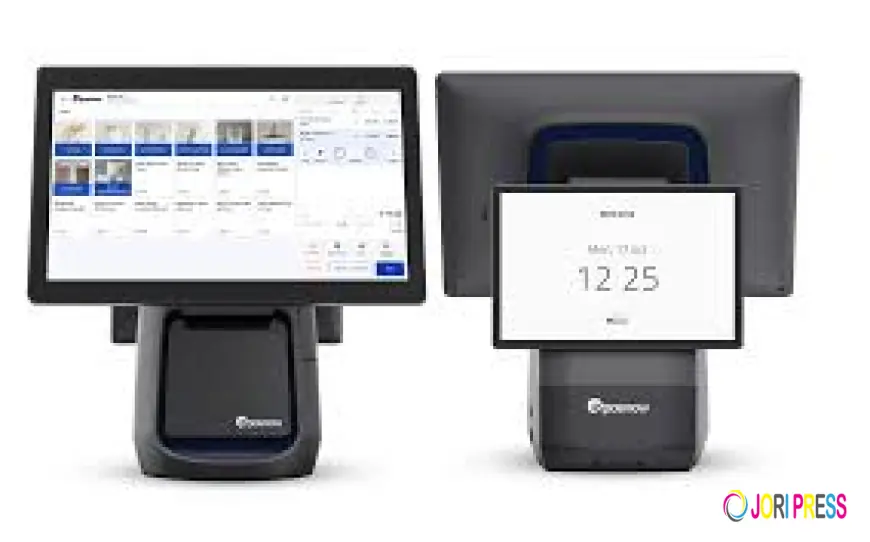
Have you ever looked at a full week of sales and still felt unsure why your store earned less than expected, even when daily activity looked normal? Many retailers face this confusion because individual days rarely show the full story. A week may look balanced on paper, but hidden drops in customer activity, spending patterns, or operations often reduce total performance. Modern systems like Epos Now help bring clarity by turning daily transactions into structured weekly insights. Instead of guessing what went wrong, retailers can now see patterns clearly inside their data.
Let’s explore how weak weeks actually appear inside retail systems and what they reveal about business performance.
1. Weekly sales patterns that reveal hidden drops
A point-of-sale system setup collects every transaction and organizes it into weekly summaries. This helps store owners see how each day contributes to total performance. Weak weeks often come from small declines spread across multiple days rather than one major issue.
For example, suppose a café owner notices steady customer flow but lower weekly revenue. After checking POS reports, they find fewer high-value orders during midweek, even though footfall stayed the same.
POS data makes such patterns visible through:
-
Daily versus weekly comparison reports
-
Average order value tracking
-
Peak and low sales hour breakdown
These insights turn scattered numbers into clear performance signals that help retailers take action early before losses grow further.
2. Connected tools that reduce performance blind spots
Retail systems often depend on App integrations for business systems to connect sales, stock, and reporting tools. Without proper integration, important signals can remain hidden.
For example, suppose a clothing store continues selling items online, but the POS inventory is not syncing correctly. This leads to stock mismatches and missed in-store sales opportunities, which eventually creates a weak week.
Integrated systems help reduce issues like:
-
Missing or delayed inventory updates
-
Untracked online to store sales gaps
-
Inconsistent reporting across tools
When systems connect properly, weak links become easier to explain and fix because data flows without interruption across all business areas.
3. Customer behavior changes that impact weekly revenue
Weak weeks often reflect changes in customer behavior tracked through Customer relationship management tools. These systems help retailers understand how often customers return and how their buying patterns shift.
For example, suppose a bakery notices that regular morning customers have reduced visits over two weeks. CRM data shows fewer repeat purchases after a pricing adjustment.
This helps identify:
-
Drop in repeat customers
-
Reduced purchase frequency
-
Lower engagement with offers
These changes often explain why weekly revenue falls even when foot traffic appears stable in store operations.
4. Payment flow issues hidden inside weekly results
Smooth transactions depend on Payment processing technology, and even small delays can impact weekly performance without immediate warning.
For example, suppose a retail store experiences increased card payment failures during peak evening hours. Customers abandon purchases, but staff only notice it later in weekly reports.
POS data helps identify:
-
Failed or delayed transactions
-
Check out abandonment patterns
-
Peak hour payment issues
Fixing these issues often restores weekly sales performance without changing customer demand or store traffic levels significantly.
5. Staff planning and its role in weak weeks
Store performance is strongly influenced by Staff scheduling and management, which directly affects customer experience and efficiency.
For example, suppose a supermarket has fewer staff during evening rush hours. Customers face longer queues, and some leave without purchasing, reducing weekly totals.
Common scheduling issues include:
-
Understaffing during peak hours
-
Overstaffing during slow hours
-
Poor shift alignment with demand
Better scheduling helps stabilize weekly performance and improves customer satisfaction across all store hours.
6. Why do retail systems centralize performance visibility
Modern Retail business management systems combine sales, inventory, and operations into one view. This helps identify weak weeks more accurately.
For example, suppose a retail chain notices one branch underperforming for several weeks. After reviewing system data, they find delayed stock restocking caused repeated missed sales.
Centralized systems help by:
-
Connecting all store data in one dashboard
-
Highlighting underperforming locations
-
Identifying operational delays quickly
This makes weak weeks easier to trace to real operational causes instead of assumptions.
7. How reporting turns data into weekly insights
Retail reporting tools convert raw data into structured weekly insights. These reports highlight performance gaps and trends clearly.
For example, suppose a bookstore sees lower sales every third week of the month. Reports show that marketing activity drops during that period, directly affecting sales.
Reports typically show:
-
Best and worst performing days
-
Weekly sales comparisons
-
Customer activity trends
This allows better planning and reduces repeated weak weeks by connecting performance drops to specific operational behaviors.
8. Building stronger retail cycles with data clarity
Weak weeks become useful when businesses analyze them properly. Data helps identify patterns that repeat over time and shows where improvements are needed.
Many retailers now use platforms like Epos Now to connect all store data in one place. This improves visibility and speeds up decision-making across operations.
With better clarity, businesses can:
-
Adjust promotions based on performance dips
-
Improve staffing during weak periods
-
Fix operational delays faster
Over time, weekly performance becomes more stable and predictable as businesses learn from repeated data patterns and refine their operations continuously.
Conclusion: Turning weak weeks into growth opportunities
Weak weeks are not random events. They are signals hidden inside daily retail activity that become visible through proper systems. When retailers study these signals, they gain control over performance instead of reacting after losses.
Epos Now helps businesses turn data into clarity by bringing sales, operations, and reporting together in one system.
-
It improves visibility across weekly performance cycles
-
It helps identify operational issues faster
-
It supports smarter retail decision-making through real-time insights
With consistent use, retailers can turn weak weeks into learning opportunities that strengthen long-term performance and business stability.
FAQs
1. What does a POS system show about weak weeks?
A POS system shows weekly sales trends, customer activity, and transaction patterns that help identify when and why performance drops occur.
2. Why do some retail weeks perform poorly?
Weak weeks often happen due to reduced customer activity, staffing issues, payment failures, or inventory gaps that affect daily operations.
3. Can POS data help fix sales problems?
Yes, POS data helps identify patterns in sales drops, allowing retailers to adjust pricing, staffing, and promotions to improve performance.
4. How does staffing affect weekly sales?
Poor staff scheduling can lead to slow service and long queues, which reduces customer satisfaction and lowers weekly sales.
5. Why are integrated systems important in retail?
Integrated systems connect sales, inventory, and customer data, helping retailers identify issues faster and improve weekly performance accuracy.
What's Your Reaction?
 Like
0
Like
0
 Dislike
0
Dislike
0
 Love
0
Love
0
 Funny
0
Funny
0
 Angry
0
Angry
0
 Sad
0
Sad
0
 Wow
0
Wow
0