



































How Did a Kansas City Art Institute Graduate Become a Techspressionist Artist?
Howard Harris started his art journey at the Kansas City Art Institute. He earned a Bachelor of Fine Arts there before moving into industrial design, technology, and photography.
Howard Harris started his art journey at the Kansas City Art Institute. He earned a Bachelor of Fine Arts there before moving into industrial design, technology, and photography. Today, these areas come together in his contemporary art.
His work focuses on things people can see and feel in an image, such as light, color, space, movement, and depth. This path shows how a Kansas City Art Institute Graduate turned a strong art education into a different approach to photographic art.
From Kansas City Art Institute to Design
Harris earned his Bachelor of Fine Arts from the Kansas City Art Institute. He later became a Trustee of the school.
His education also includes:
● Master of Industrial Design from Pratt Institute
● Economics and Computer Sciences at the University of Missouri
● Sublimation Color Research at Rochester Institute of Technology
● Certified Marketing Executive studies at the University of Utah
● Certified Graphic Arts Financial Management studies at Northwestern University
At Pratt Institute, Harris studied with design teacher Rowena Reed Kostellow. This mix of art, design, and technology shaped the way he later approached photography.
How Design Shaped His Art
Industrial design taught Harris to look closely at shape, space, balance, color, and structure. These ideas can also be seen in his photographic art. He thinks about more than the image itself. He also considers how the image is built and how it sits in physical space. That is why design remains an important part of his art today.
From Design to Photography
Harris spent more than 35 years working with design and technology before photography became the main focus of his creative work.
His background still guides his photography.
He brings together:
● Photography
● Design
● Technology
● Light
● Color
● Space
● Movement
The result is photographic art that connects the picture with the way it is made and displayed.
What Is Techspressionism?
Techspressionism brings technology and art together. In Harris's work, technology is part of the way he creates and presents his art. It works alongside photography, design, color, light, shape, and space. His own dimensional process is one way he explores this idea through photographic art.
Where Technology Meets Photography
Harris uses his design and technology background to create new ways to present photographs. The image is still the starting point. But the materials and physical structure also matter. This approach gives his art a strong connection to both photography and contemporary design. It also supports his focus on how people see and experience an image.
The Patented Layered Process
In 2017, Harris received U.S. Patent No. 9,753,295 for “Apparatus and Method of Manufacture for a Layered Artwork.”
His dimensional artwork uses:
● A dye-sublimation photographic print on aluminum
● One acrylic image placed above the aluminum
● Standoffs that hold the acrylic in place
● A subtle grid within the design
The photographic image is infused into the coating on the aluminum. The acrylic sits above the aluminum as part of the artwork itself. This creates physical depth between the image surfaces.
Photography, Light, and Perception
Harris's art is closely tied to visual perception. Visual perception means how a person sees and experiences something through the eyes. Light, color, space, movement, and viewing angle can all change that experience.
For example, a viewer can move from one side of a piece to another. The relationship between the light, acrylic, aluminum, and image can then look different. The artwork does not move on its own. The viewer's position changes what the eye sees.
From Images to Dimensional Art
Harris presents his photography in several physical formats.
Aluminum and Acrylic
The main dimensional format combines a dye-sublimation aluminum print with one suspended acrylic image.
This creates a sense of:
● Depth
● Movement
● Space
● Light
● Changing views
Aluminum Without Acrylic
Another format uses a dye-sublimation aluminum print with a three-quarter-inch black aluminum frame on the back. This gives collectors a metal presentation without the acrylic layer.
Giclée Fine-Art Prints
Giclée prints use high-quality, archival-grade, acid-free paper. The print is mounted on board inside a solid wood frame. Clear acrylic protects the front, while the back includes a kraft-paper dust cover and hanging wire. Each format gives the photographic artwork a different look and feel.
A Gallery-Represented Fine Art Photographer in the USA
Harris is based in Denver, Colorado. His artwork has an international presence, with gallery representation in the United States and Europe.
His U.S. representation includes Agora Gallery in Chelsea, New York. His international representation includes galleries in London, Lisbon, Paris, and Florence.
His career also includes international exhibitions, art publications, reviews, and awards. These experiences provide useful context for anyone researching a gallery-represented fine art photographer in the USA.
Art Beyond Traditional Photography
Harris's art covers many subjects. His major collections include:
● Abstractions
● Animals
● Cityscape
● Landscape
● People
● Political
● Traditional
● Visions
His newer collections include Paris & Giverny and Ferrara & Florence. The Paris & Giverny collection includes subjects such as buildings, trees, people, food, lines, shapes, and color.
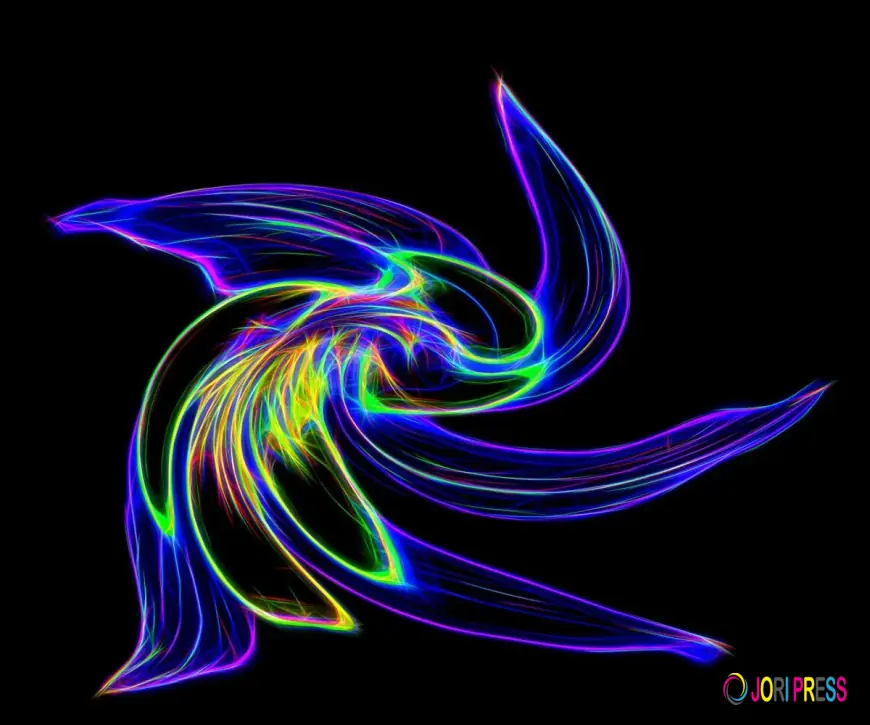
Works such as The Tower use the Eiffel Tower as a starting point and transform it through strong color and flowing lines.
Vaton in Motion uses flowing lines and bold color to create a strong sense of movement. Squared uses repeated lines to create a geometric design.
What Makes His Approach Distinct
Harris brings several parts of his background into one form of art:
● Fine-art training
● Industrial design
● Technology
● Photography
● Visual perception
● Physical artwork design
● A patented layered process
His education as a Kansas City Art Institute Graduate gave him a strong art foundation. His later training and long career in design and technology added another direction to that foundation.
The result is contemporary photographic art where the image, materials, light, and viewing position all play a part.
Ending Thoughts
Howard Harris's path began with fine-art education and grew through design, technology, and photography. His Techspressionist approach brings these areas together in a physical form.
For anyone researching a gallery-represented fine art photographer USA, his career offers a clear example of how an art education can grow into a distinct approach to contemporary photographic art.
What's Your Reaction?
 Like
0
 Dislike
0
 Love
0
 Funny
0
 Angry
0
 Sad
0
 Wow
0