






































How Can Real Estate Tokenization Help Developers Structure Alternative Investment Products?

The real estate investment market is expanding beyond traditional property ownership and conventional funding structures. Developers are increasingly exploring alternative investment products to attract different investor segments, diversify funding sources, and unlock capital from residential, commercial, rental, and development-stage properties. However, traditional investment models often involve complex ownership arrangements, limited investor participation, lengthy administrative processes, and restrictions on how investment opportunities can be structured.
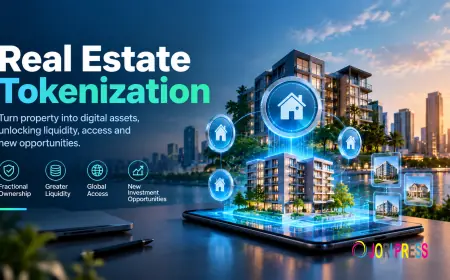
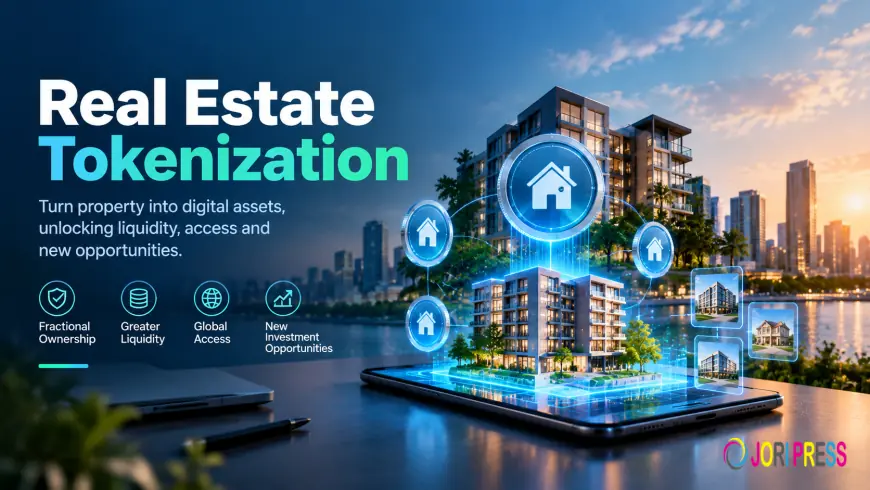
Real estate tokenization introduces a blockchain-based approach that allows developers to represent eligible property interests, investment rights, and financial arrangements as digital tokens. Instead of relying exclusively on conventional property sales or traditional investment funds, developers can explore different investment structures based on asset value, expected returns, ownership arrangements, and investor participation.
By implementing a suitable real estate tokenization strategy, developers can create alternative investment products that align with different property types, investment objectives, and business models.
Understanding Alternative Investment Products in Real Estate
Alternative investment products refer to investment opportunities that operate outside conventional property purchasing and ownership arrangements. These products allow developers to structure investment opportunities around specific properties, income streams, development projects, or financial interests.
Some examples include:
-
Fractional Property Investment: Dividing eligible property interests into smaller digital units to accommodate multiple investors.
-
Rental Income Investment Products: Structuring participation around rental income generated by residential or commercial properties.
-
Real Estate Debt Products: Representing eligible debt or lending interests associated with property development projects.
-
Property Development Funds: Creating investment structures that pool capital for specific construction or development activities.
-
Revenue-Sharing Products: Allowing investors to participate in defined revenue streams generated by eligible real estate assets.
-
Portfolio-Based Investment Products: Combining interests across multiple properties under a structured investment arrangement.
These models provide developers with additional ways to organize property-related investment opportunities while creating more flexible participation structures.
How Real Estate Tokenization Helps Developers Create Alternative Investment Products
Real estate tokenization provides the technological foundation for representing different property-related investment interests digitally. Developers can use tokenization platforms to organize investment products according to their financial objectives, asset characteristics, and legal structures.
1. Creating Fractional Investment Opportunities
Traditional property investments often require substantial capital, making direct participation difficult for smaller investors. Fractional tokenization allows developers to divide eligible ownership or economic interests into smaller digital units.
For example, a commercial property valued at $10 million could be structured into 100,000 tokens, with each token representing a defined interest in the underlying investment structure.
This approach can help developers:
-
Establish different investment participation levels.
-
Accommodate multiple eligible investors.
-
Structure property-specific investment offerings.
-
Manage digital ownership or contractual interests.
-
Expand access to qualifying investment opportunities.
The actual rights associated with each token depend on the legal ownership and investment arrangement.
2. Structuring Rental Income-Based Investment Products
Rental properties offer opportunities to develop investment products around recurring income streams. Instead of focusing exclusively on property ownership, developers can structure products that provide eligible investors with contractual participation in rental income.
For instance, a developer managing a portfolio of residential apartments could establish a tokenized investment structure linked to rental revenue generated by those properties.
The platform can support:
-
Rental income tracking.
-
Investor allocation management.
-
Distribution calculations.
-
Property-level financial reporting.
-
Automated payment workflows through smart contracts.
This creates opportunities to develop rental-income-focused investment products with clearly defined financial arrangements.
3. Developing Real Estate Debt Investment Products
Property developers frequently require external financing to acquire land, construct buildings, renovate properties, or expand existing portfolios.
Real estate tokenization can support the creation of digital debt investment products representing eligible lending interests or debt securities.
Developers may structure products around:
-
Property-backed lending arrangements.
-
Construction financing.
-
Bridge financing.
-
Development project loans.
-
Fixed-income property investment structures.
Smart contracts can help manage repayment schedules, interest calculations, investor allocations, and payment records.
However, tokenization does not eliminate lending risks or replace the legal documentation required for debt instruments.
4. Building Property Development Investment Products
Real estate development projects often require funding across multiple stages, including land acquisition, planning, construction, and project completion.
Tokenization can help developers organize investment products around individual development stages rather than relying on one conventional funding arrangement.
For example, a developer planning a mixed-use commercial project could structure separate investment offerings for land acquisition, construction financing, and eligible revenue participation.
Each offering can have different:
-
Capital requirements.
-
Investment periods.
-
Return structures.
-
Investor eligibility conditions.
-
Distribution arrangements.
This approach allows developers to align investment products with specific project requirements and financial milestones.
5. Creating Multi-Property Portfolio Investment Products
Developers and property management companies often operate across multiple locations and property categories. Managing investment opportunities separately for every property can create additional administrative complexity.
A tokenization platform can support portfolio-based investment structures by grouping eligible property interests into a single investment arrangement.
For example, a portfolio could include:
-
Residential apartment buildings.
-
Commercial office spaces.
-
Retail properties.
-
Rental housing developments.
-
Industrial properties.
Developers can structure portfolio investment products with defined allocation policies, reporting mechanisms, and investor participation rules.
This creates opportunities to organize diversified real estate investment offerings through a unified digital infrastructure.
6. Introducing Revenue-Sharing Investment Models
Not every real estate investment product needs to be structured around direct property ownership or rental income.
Developers can also explore revenue-sharing arrangements based on eligible financial rights associated with property operations.
Examples include commercial leasing revenue, hospitality income, parking revenue, and income generated through property management activities.
Tokenization platforms can represent these contractual rights through digital tokens and support predefined distribution calculations.
Such arrangements allow developers to explore alternative financial products while maintaining clearly documented relationships between the underlying asset, revenue source, and investor entitlements.
7. Supporting Secondary Market Opportunities
Traditional real estate investments can involve lengthy exit processes because transferring property interests often requires extensive documentation and transaction procedures.
Where legally permitted, tokenized investment products can be designed to support secondary transfers through compliant digital marketplaces.
Developers can integrate features such as:
-
Investor-to-investor transfer functionality.
-
Digital asset ownership records.
-
Transfer eligibility verification.
-
Compliance-based transaction restrictions.
-
Automated settlement workflows.
Secondary market functionality may provide additional flexibility for investors seeking to transfer eligible interests before the investment reaches maturity.
However, tokenization does not guarantee liquidity. Actual trading opportunities depend on regulatory permissions, marketplace availability, investor demand, and transfer restrictions.
Essential Features of a Real Estate Tokenization Platform
Developers looking to launch alternative investment products need a platform capable of supporting multiple investment structures rather than simply issuing digital tokens.
The following features can help establish a flexible investment infrastructure.
|
Platform feature |
Purpose |
|---|---|
|
Asset management |
Manage property details, valuations, and documentation. |
|
Token issuance |
Create digital representations of eligible investment interests. |
|
Smart contracts |
Automate predefined investment rules and calculations. |
|
Investor onboarding |
Manage identity verification and eligibility checks. |
|
Investment management |
Track investor allocations and participation. |
|
Payment integration |
Support investment funding and distributions. |
|
Portfolio dashboard |
Monitor multiple properties and investment products. |
|
Compliance management |
Enforce applicable regulatory and transfer requirements. |
|
Reporting system |
Generate financial and investment performance reports. |
|
Secondary marketplace |
Facilitate permitted transfers of tokenized interests. |
A modular architecture can help developers introduce additional investment products as their business requirements evolve.
The Role of Smart Contracts in Alternative Real Estate Investments
Smart contracts are an important component of real estate tokenization because they help automate predefined investment operations.
Rather than manually processing every investor-related activity, developers can implement programmable rules to manage different stages of an investment lifecycle.
Key applications include:
Token issuance and allocation: Smart contracts can distribute tokens according to predefined investment terms and approved participation amounts.
Income distribution: Rental income or other eligible revenue distributions can be calculated according to the agreed investment structure.
Investment restrictions: Transfer restrictions and investor eligibility requirements can be incorporated into the transaction workflow.
Repayment management: Debt-based investment products can use predefined schedules to manage repayment calculations and records.
Ownership tracking: Blockchain records can provide a transparent history of token issuance, allocation, and permitted transfers.
These capabilities can reduce repetitive administrative work while improving the consistency of investment operations. They do not replace legal agreements, property administration, or financial oversight.
Regulatory and Legal Considerations for Developers
Although tokenization offers flexibility in structuring alternative investment products, developers must establish an appropriate legal and regulatory framework before launching an offering.
The legal classification of a token depends on the rights it represents, the investment arrangement, and the applicable jurisdiction.
Important considerations include:
-
Legal Ownership Structure: Determine whether tokens represent ownership interests, securities, debt claims, or contractual rights.
-
SPV Formation: Consider using a Special Purpose Vehicle (SPV) to hold property assets and establish defined investor interests.
-
Securities Compliance: Assess whether the proposed offering falls under applicable securities regulations.
-
Investor Verification: Implement KYC and AML procedures where required.
-
Tax Considerations: Evaluate property taxation, income distributions, capital gains, and cross-border tax obligations.
-
Transfer Restrictions: Establish rules governing token transfers and secondary transactions.
-
Investor Disclosures: Clearly communicate investment risks, fees, rights, and potential returns.
Developers should work with qualified legal and financial professionals to establish compliant investment structures before token issuance.
How to Develop a Real Estate Tokenization Platform for Alternative Investment Products
Launching a tokenization platform requires a combination of real estate knowledge, financial structuring, blockchain development, and regulatory planning.
The development process generally involves the following stages.
Step 1: Identify the Investment Products
Determine which alternative investment products the platform will support. These could include fractional property investments, rental income products, property-backed debt, or portfolio-based offerings.
Step 2: Define the Legal and Financial Structure
Establish how the underlying property will be held, what rights investors will receive, how returns will be calculated, and what transfer restrictions will apply.
Step 3: Select the Blockchain Infrastructure
Choose a suitable blockchain network based on transaction costs, scalability, security, ecosystem compatibility, and token standards.
Step 4: Design Smart Contracts
Develop smart contracts to manage token issuance, investor allocations, income distribution, and permitted transfers.
Step 5: Build the Investor and Administration Interfaces
Create dashboards that allow investors to explore offerings, complete onboarding, monitor investments, and access relevant financial information. Administrative interfaces should support asset management, compliance, and reporting.
Step 6: Integrate Payment and Compliance Systems
Connect payment infrastructure, identity verification services, and compliance workflows to support investment operations.
Step 7: Test and Launch the Platform
Conduct smart contract audits, security testing, functional testing, and compliance reviews before launching the platform.
A carefully planned development process helps ensure the platform can support different investment products while remaining adaptable to future business requirements.
Business Opportunities for Real Estate Developers
Real estate tokenization creates opportunities for developers to move beyond conventional property sales and explore new investment-oriented business models.
Some potential business opportunities include:
-
Investment Product Diversification: Offer different investment structures based on property types and investor objectives.
-
Alternative Capital Formation: Explore additional funding channels for eligible development projects.
-
Portfolio Monetization: Structure investment opportunities around multiple properties and eligible economic interests.
-
Investor Network Expansion: Reach qualifying investors across different markets, subject to applicable regulations.
-
Asset Management Services: Develop digital infrastructure for managing tokenized property portfolios.
-
Investment Platform Operations: Establish a dedicated platform for issuing and administering property-related investment products.
For developers managing large property portfolios, these opportunities can support new approaches to capital management and long-term business expansion.
Conclusion
Real estate tokenization can help developers move beyond conventional property investment arrangements by providing the infrastructure to structure fractional ownership interests, rental income products, debt instruments, revenue-sharing arrangements, and portfolio-based investment opportunities.
Its value extends beyond converting property interests into digital tokens. It allows developers to organize different financial rights, automate investment operations, improve portfolio visibility, and create investment products that align with specific business objectives.
However, successful implementation requires more than blockchain integration. Developers must carefully evaluate legal structures, investor rights, regulatory requirements, smart contract functionality, and the financial characteristics of each investment product.
Businesses exploring these opportunities can work with an experienced real estate tokenization development company such as Inoru to build customized platforms with token issuance, smart contract automation, investor management, compliance workflows, and multi-property investment capabilities.
As the real estate investment landscape continues to evolve, flexible tokenization infrastructure could become an important part of how developers structure and manage alternative investment products.
What's Your Reaction?
 Like
0
 Dislike
0
 Love
0
 Funny
0
 Angry
0
 Sad
0
 Wow
0