

































Hidden Water Leaks: Common Causes, Warning Signs, and Prevention Tips for Homeowners
Hidden Water Leaks: Common Causes, Warning Signs, and Prevention Tips for Homeowners
Water leaks are among the most common plumbing problems that homeowners face. While some leaks are easy to identify, others remain hidden behind walls, beneath floors, under concrete foundations, or inside underground water lines. If left untreated, hidden plumbing leaks can increase water bills, damage property, encourage mold growth, and lead to expensive repairs.
Understanding the warning signs of water leaks and knowing when to seek professional plumbing assistance can help homeowners protect their properties and avoid unnecessary expenses. Whether you own a home or manage a commercial building, regular plumbing inspections and timely leak detection are essential for maintaining a safe and efficient water supply system.
What Is a Hidden Water Leak?
A hidden water leak occurs when water escapes from a plumbing pipe, fitting, water supply line, or other plumbing component in an area that is not immediately visible. These leaks often develop behind walls, beneath flooring, under concrete slabs, or in underground pipes.
Unlike a leaking faucet or an exposed pipe, a hidden leak may continue for weeks or months before visible damage appears. During this time, water can gradually weaken building materials, damage flooring, and increase monthly utility costs.
Common locations for hidden water leaks include:
-
Water supply pipes behind walls and ceilings.
-
Pipes installed beneath concrete foundations.
-
Underground water service lines.
-
Plumbing connections beneath kitchen and bathroom sinks.
-
Pipes located near water heaters and washing machines.
-
Bathroom plumbing beneath showers, bathtubs, and toilets.
-
Outdoor water lines and irrigation connections.
Identifying these leaks early is important because even a small, continuous leak can waste a significant amount of water over time.
What Are the Most Common Causes of Plumbing Leaks?
Plumbing leaks can develop for several reasons, including aging materials, excessive water pressure, temperature changes, and poor installation. Understanding these causes can help property owners recognize potential risks and take preventive action.
1. Aging and Corroded Pipes
Plumbing pipes experience gradual wear as they age. Depending on the material, pipes may corrode, develop cracks, or experience deterioration around joints and connections.
Metal pipes can be particularly vulnerable to corrosion under certain conditions. Older plumbing systems may also contain materials that are more susceptible to deterioration over time.
Regular inspections can help identify signs of pipe damage before a small problem becomes a major leak.
2. High Water Pressure
Excessive water pressure places additional stress on plumbing pipes, valves, connectors, and appliances. Over time, this pressure can contribute to premature wear and increase the likelihood of leaks.
Possible warning signs include frequent pipe leaks, noisy plumbing, dripping fixtures, and recurring problems with appliance connections.
A plumber can measure household water pressure and determine whether a pressure reducing valve or another adjustment is appropriate.
3. Shifting Soil and Foundation Movement
Changes in soil moisture, ground movement, and foundation settlement can place stress on underground plumbing pipes. In areas such as Hutto, Texas, changing soil moisture conditions can make foundation and underground plumbing concerns particularly relevant.
When pipes shift or connections become damaged, water may escape beneath the foundation or into the surrounding soil.
Potential warning signs include unexplained increases in water consumption, damp areas near the foundation, warm spots on floors, and new cracks that appear alongside other plumbing symptoms.
These signs do not automatically confirm a slab leak, but they may indicate that a professional inspection is needed.
4. Temperature Changes and Freezing Weather
Cold weather can increase the risk of plumbing damage, especially when exposed pipes are not properly insulated. When water freezes inside a pipe, it expands and can contribute to cracking or pipe failure.
Pipes located in garages, exterior walls, crawl spaces, and unheated areas may be particularly vulnerable during freezing conditions.
Homeowners can reduce the risk by insulating exposed pipes, sealing drafts, disconnecting outdoor hoses, and following local winter plumbing precautions.
5. Damaged Pipe Connections and Fittings
Pipe joints, connectors, seals, and fittings can deteriorate or loosen over time. Improper installation, movement, and normal wear can also contribute to leaks.
Inspecting visible plumbing connections beneath sinks, around toilets, and near appliances can help homeowners spot dripping water or moisture before it causes significant damage.
What Are the Warning Signs of a Hidden Water Leak?
Hidden leaks do not always produce obvious puddles. Instead, homeowners may notice gradual changes throughout the property.
Watch for these common warning signs:
Unusually high water bills: If your water consumption increases without a clear explanation, a hidden leak may be responsible.
The sound of running water: Hearing water when all faucets and water using appliances are turned off can indicate a possible plumbing problem.
Damp walls or ceilings: Discoloration, peeling paint, bubbling wallpaper, and soft drywall may indicate moisture behind a surface.
Musty odors: Persistent musty smells can suggest ongoing moisture or mold growth in concealed spaces.
Warm or damp flooring: An unexplained warm spot or persistent moisture on a floor may warrant investigation, particularly when hot water pipes run underneath it.
Reduced water pressure: A damaged supply pipe may contribute to changes in water pressure, although clogged pipes, faulty valves, and municipal supply problems can cause similar symptoms.
Wet spots outdoors: Unexplained soggy soil, standing water, or unusually green patches of grass may indicate a leaking underground water line or irrigation system.
If several of these signs occur together, arranging a professional plumbing inspection can help determine the cause.
How Can You Check for a Water Leak at Home?
Homeowners can perform a few simple checks to identify possible leaks before calling a professional.
Step 1: Inspect Your Water Meter
Turn off faucets, showers, washing machines, dishwashers, and other water using appliances. Make sure no one is using water during the test.
Check the water meter and record its reading. Wait for a suitable period without using water, then check it again.
If the reading changes, water may be flowing somewhere in the plumbing system. Some appliances have automatic water cycles, so make sure those are not operating during the test.
A changing meter reading is a useful warning sign, but it does not identify the exact location or cause of a leak.
Step 2: Check Toilets for Leaks
Toilets can waste water silently when their flappers, fill valves, or other internal components malfunction.
Add a few drops of food coloring to the toilet tank without flushing. Wait approximately 10 to 15 minutes. If colored water appears in the toilet bowl, the toilet may be leaking internally.
Flush afterward to clear the coloring.
Step 3: Inspect Visible Plumbing Connections
Look beneath sinks, around toilets, near water heaters, and around washing machine hoses.
Check for dripping water, corrosion, mineral deposits, damp cabinet surfaces, and damaged hoses. Avoid touching electrical equipment or standing water near electrical components.
Step 4: Examine Walls, Ceilings, and Floors
Look for new stains, peeling paint, warped flooring, or unexplained dampness. Pay attention to areas near bathrooms, kitchens, laundry rooms, and water heaters.
Do not cut into walls or floors without understanding where electrical wiring, plumbing lines, and other utilities may be located.
Step 5: Monitor Your Water Consumption
Compare recent water bills with previous months. Consider seasonal changes, household occupancy, irrigation use, and other factors that may affect consumption.
If water usage remains unusually high without an obvious explanation, professional leak detection may help identify the problem.
What Is Professional Leak Detection?
Professional leak detection is the process of locating suspected plumbing leaks using specialized equipment and diagnostic methods.
Rather than relying solely on visible damage, trained technicians evaluate the plumbing system and use appropriate tools to narrow down the source of water loss.
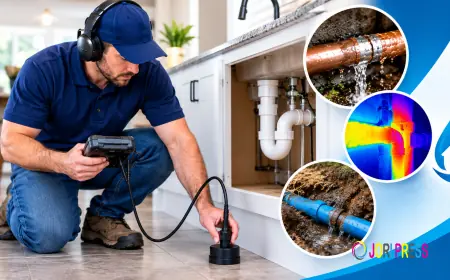
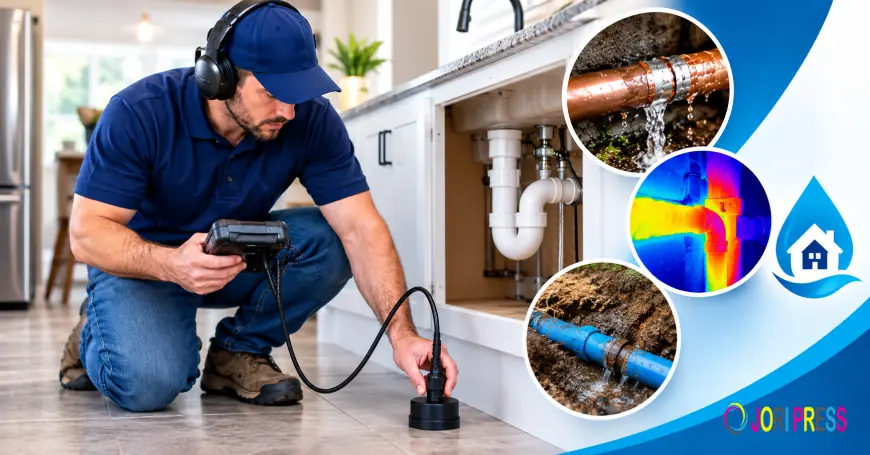
Depending on the property and the suspected leak, methods may include acoustic listening equipment, thermal imaging, moisture meters, pressure testing, and specialized underground leak detection equipment.
Acoustic Leak Detection
Acoustic equipment helps technicians identify sounds associated with escaping water. This approach can be useful for locating certain leaks in pressurized pipes, including pipes concealed behind walls or installed underground.
The effectiveness of acoustic testing depends on factors such as pipe material, water pressure, background noise, and the location of the leak.
Thermal Imaging
Thermal imaging cameras identify differences in surface temperature. These temperature patterns can sometimes reveal moisture related to plumbing leaks or indicate areas that require further investigation.
Thermal imaging does not directly see water flowing inside a wall, and temperature differences can have other causes. Additional testing may be necessary to confirm a suspected leak.
Moisture Detection
Moisture meters help assess moisture levels in accessible building materials. They can assist technicians in evaluating damp areas and determining where further investigation may be needed.
Pressure Testing
Plumbing pressure tests can help assess whether a particular section of a water supply system is losing pressure. Testing must be performed appropriately for the plumbing system and its components.
Using a combination of suitable diagnostic methods can improve the accuracy of leak identification and help reduce unnecessary property disruption.
What Is a Slab Leak, and Why Is It Important?
A slab leak is a water leak that develops in plumbing pipes located beneath a concrete foundation or slab.
Because these pipes are concealed, slab leaks may remain undetected until homeowners notice unexplained water usage, damp flooring, unusual sounds, or other symptoms.
Potential consequences include damage to flooring, persistent moisture, and deterioration of surrounding materials. The seriousness of the problem depends on the leak's location, duration, and severity.
Common signs of a possible slab leak include:
-
A sudden or unexplained increase in the water bill.
-
Warm areas on floors when hot water plumbing is involved.
-
Water appearing near the foundation.
-
Persistent moisture or musty odors indoors.
-
Water meter movement when all water use has stopped.
Not every sign indicates a slab leak. A qualified technician can investigate the plumbing system and help determine whether the source is beneath the foundation or elsewhere.
Early detection may allow homeowners to understand their repair options before additional damage occurs.
How Can Homeowners Prevent Plumbing Leaks?
Although not every plumbing leak can be prevented, regular maintenance can reduce the likelihood of many common problems.
Schedule Routine Plumbing Inspections
Periodic inspections can help identify aging pipes, damaged fittings, corrosion, and other concerns before they develop into major failures.
Older homes and properties with a history of recurring leaks may benefit from more frequent assessments.
Maintain Appropriate Water Pressure
Have household water pressure checked if you experience recurring leaks, noisy pipes, or frequent plumbing failures.
A plumber can determine whether pressure adjustments or repairs are necessary.
Insulate Exposed Pipes
Insulate vulnerable pipes in unheated areas and seal openings that allow cold air to reach plumbing. During freezing weather, follow local guidance for protecting outdoor faucets and exposed water lines.
Replace Damaged Hoses
Inspect washing machine hoses, dishwasher connections, and other appliance supply lines for cracks, bulges, corrosion, or deterioration.
Replace damaged components with suitable products and follow the manufacturer's installation recommendations.
Respond to Small Leaks Promptly
Do not ignore dripping faucets, leaking valves, or moisture beneath sinks. Small problems can worsen over time and may indicate broader plumbing concerns.
Monitor Your Water Bill
Tracking monthly water consumption can help you recognize unusual changes. Investigate unexplained increases rather than assuming they are normal.
Know Where Your Main Water Shutoff Is Located
Every household member should know how to locate and operate the main water shutoff valve. Shutting off the water promptly can help limit damage if a significant leak develops.
What Should You Do When You Discover a Water Leak?
Taking appropriate action can help limit property damage and improve safety.
-
Shut off the water when appropriate. If a significant supply pipe is leaking, close the main water shutoff valve if it is safe to do so.
-
Protect electrical safety. Never enter standing water near electrical outlets, wiring, or appliances. Contact emergency services or a qualified professional if an electrical hazard exists.
-
Move valuables away from the affected area. Protect furniture, electronics, documents, and other belongings if it is safe.
-
Document the damage. Take photographs and keep records for your insurance provider if necessary.
-
Arrange a plumbing assessment. A qualified professional can investigate the source and recommend suitable repairs.
-
Address moisture promptly. Wet building materials may require professional drying and assessment to reduce the risk of mold and further damage.
If a pipe bursts or water is spreading rapidly, prioritize safety and stop the water supply if you can do so safely.
Frequently Asked Questions About Water Leak Detection
How do I know if I have a hidden water leak?
Common warning signs include unexplained increases in water bills, damp walls, musty odors, running water sounds when fixtures are off, and wet spots outdoors. A water meter test can help identify possible water loss.
Can a plumber find a leak without damaging walls or floors?
In many situations, yes. Professional leak detection equipment can help narrow down the location of a leak before any opening or excavation is considered. However, some repairs may still require access to concealed pipes.
How much water can a leaking pipe waste?
Water waste depends on the leak's size, pressure, and duration. Even a relatively small continuous leak can waste substantial water over time. Prompt investigation can help reduce unnecessary water consumption.
Can a hidden water leak increase my water bill?
Yes. Water escaping from a pressurized supply pipe may continue around the clock, increasing consumption even when household water use has not changed.
Are slab leaks serious?
Slab leaks can become serious if water continues escaping beneath a foundation. Potential consequences include damaged flooring, persistent moisture, and costly repairs. Prompt professional assessment helps determine the severity and appropriate response.
When should I call a leak detection professional?
Consider professional assistance when water bills rise unexpectedly, a water meter indicates unexplained usage, moisture appears without a clear source, or plumbing leaks repeatedly occur. Significant water loss and burst pipes require prompt attention.
Is professional leak detection useful for homes and businesses?
Yes. Residential and commercial properties can both experience concealed pipe leaks, underground water line problems, and other plumbing failures. The appropriate diagnostic approach depends on the building and its plumbing system.
Final Thoughts
Hidden water leaks can affect water bills, property conditions, and the reliability of a plumbing system. Learning to recognize warning signs, monitoring water consumption, maintaining plumbing components, and arranging timely inspections can help homeowners identify problems before they become more expensive.
Whether you suspect a slab leak, a damaged water line, or a concealed pipe leak, understanding the source of the problem is an important first step toward an effective repair.
For homeowners and businesses in Hutto, Texas, Leak Detection Hutto TX provides a local resource for information about identifying hidden water leaks and protecting plumbing systems. Learn more about pipe leak detection, water line leak detection, and related services
What's Your Reaction?
 Like
0
 Dislike
0
 Love
0
 Funny
0
 Angry
0
 Sad
0
 Wow
0