


































Gutter Leaks and Loose Siding: Common Exterior Problems You Shouldn't Ignore

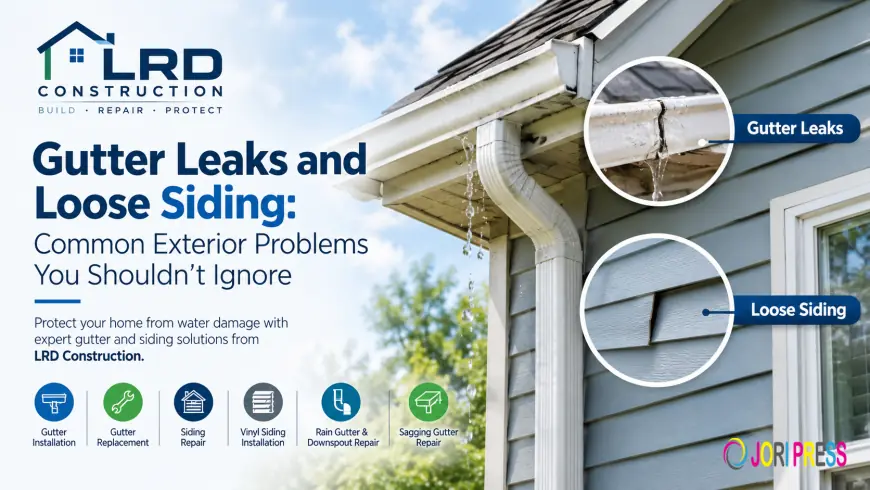
Your home's exterior does more than create a good first impression. It helps protect your property from rain, moisture, wind, and other environmental elements. However, problems such as leaking gutters and loose siding can compromise that protection if left unaddressed. What may begin as a small drip or a slightly loose siding panel can eventually lead to water damage, wood rot, and expensive repairs.
Understanding the warning signs of exterior damage can help homeowners take action before minor issues become major problems. Whether you need rain gutter repair, gutter replacement, or siding repair, addressing these concerns promptly can help protect your home and maintain its structural integrity.
At LRD Construction, homeowners can explore professional exterior construction solutions to help keep their properties protected, functional, and well-maintained.
1. Why Gutter Leaks Should Never Be Ignored
Gutters direct rainwater away from your roof, exterior walls, and foundation. When they develop leaks, water may spill onto siding, collect near the foundation, or damage landscaping around the house.
Even a small leak can become a bigger concern when it repeatedly exposes the same area to moisture.
Common Causes of Gutter Leaks
Several factors can contribute to leaking gutters, including:
-
Loose gutter joints: Seams and connections can separate over time, allowing water to escape.
-
Clogged gutters: Leaves, twigs, and other debris can restrict water flow and contribute to overflow.
-
Corrosion or cracks: Older metal gutters may develop holes, while other materials can crack or deteriorate.
-
Improper installation: Incorrect positioning or slope can prevent water from flowing efficiently toward downspouts.
-
Loose fasteners: Gutters that pull away from the roofline may develop gaps or drainage problems.
Professional rain gutter repair can help identify the source of a leak and determine whether a targeted repair is sufficient. If the gutter system has extensive deterioration or recurring problems, gutter replacement may be a more practical long-term solution.
2. Loose Siding: A Warning Sign of Exterior Damage
Siding protects the exterior walls of your home while contributing to its appearance and energy efficiency. When panels become loose, cracked, or warped, moisture and wind can more easily affect the underlying wall assembly.
Loose siding may not always cause immediate structural damage, but it should not be ignored, particularly when panels are separating near windows, doors, roof edges, or gutters.
What Causes Siding to Become Loose?
Common causes include:
-
Strong winds: Wind can loosen improperly secured siding panels or damage existing fasteners.
-
Age and wear: Older siding materials may become brittle, warped, or less secure.
-
Improper installation: Incorrect fastening or inadequate allowances for material expansion and contraction can contribute to movement.
-
Moisture exposure: Persistent water intrusion can damage underlying materials and contribute to deterioration.
-
Impact damage: Hail, falling branches, and accidental impacts can crack or dislodge panels.
Timely siding repair can help restore the affected area and reduce the risk of further deterioration. If the siding is extensively damaged, a contractor may recommend replacing the affected sections or considering a broader exterior upgrade.
3. How Gutter Leaks Can Damage Your Siding
Gutters and siding work together to protect your home's exterior. Gutters manage rainwater from the roof, while siding helps shield exterior walls from the elements.
When gutters leak or overflow, water may repeatedly run down the siding instead of being directed away from the building.
Over time, this can contribute to several problems.
Water Stains and Discoloration
Repeated exposure to water can leave visible streaks, stains, or dirt deposits on siding. Although these marks may initially appear cosmetic, they can indicate a drainage problem that needs attention.
Mold and Mildew Growth
Persistently damp exterior surfaces can encourage mildew and, under suitable conditions, mold growth. Moisture that reaches concealed wall areas may also contribute to indoor moisture problems.
Deterioration Behind the Siding
If water penetrates the exterior wall assembly, it can damage sheathing, wood framing, insulation, or other materials. The extent of the damage depends on how much moisture enters, how long it remains, and how effectively the wall can dry.
Damage Around the Foundation
Leaking gutters and poorly directed downspouts can release water near the foundation. Depending on the soil, drainage conditions, and severity of the problem, this may contribute to erosion, water intrusion, or foundation-related concerns.
Addressing gutter problems early can help prevent damage from spreading to other parts of your home's exterior.
4. The Connection Between Gutter Installation and Siding Protection
Proper gutter installation is essential for managing roof runoff. A gutter system should be positioned and sloped appropriately, securely fastened, and connected to downspouts that carry water away from the building.
When gutters are poorly installed, water may collect in low spots, spill over the edges, or escape through poorly connected joints.
These issues can repeatedly expose nearby siding to moisture.
Homeowners planning an exterior renovation should consider how the gutter system and siding will work together. For example, if you're planning vinyl siding installation, it's worth inspecting the existing gutters before the project begins.
A contractor can assess whether the gutters can remain in place, require repairs, or need replacement. Coordinating the work can help reduce the likelihood of overlooking hidden damage or creating unnecessary disruption during the renovation.
5. When Is Gutter Replacement Better Than Repair?
Not every leaking gutter needs to be replaced. In many cases, repairing a loose joint, correcting a drainage issue, or replacing a damaged section may resolve the problem.
However, replacement may be worth considering when the system has widespread deterioration.
Look for these warning signs:
-
Multiple cracks or holes across different sections.
-
Rust or corrosion that has significantly weakened the material.
-
Gutters that repeatedly pull away from the fascia.
-
Persistent leaks despite previous repairs.
-
Sections that sag because of damaged materials or inadequate support.
-
Recurring overflow caused by a system that no longer drains properly.
Before recommending gutter replacement, a contractor should assess the condition of the existing system, including its fasteners, slope, joints, and downspouts.
A thorough inspection helps homeowners understand whether targeted repairs or a complete replacement is the more suitable option.
6. How to Identify Problems That Require Siding Repair
Siding damage can sometimes be difficult to notice from inside the house. Regularly checking the exterior can help you identify problems before they worsen.
Watch for the following signs:
Cracked or broken panels: Cracks can allow moisture to reach areas that should remain protected.
Loose or separated sections: Panels that move, rattle, or pull away from the wall may need professional attention.
Warping or buckling: Distorted panels can indicate installation problems, temperature-related movement, or moisture issues.
Peeling paint or persistent discoloration: On painted siding, these signs may indicate moisture exposure or deteriorating surface coatings.
Soft or deteriorating materials: Damaged wood or other underlying materials may require more extensive investigation and repair.
If you notice these issues near leaking gutters or downspouts, have both systems inspected. Fixing the siding without correcting the source of the water may allow the same problem to return.
7. Is Vinyl Siding Installation Worth Considering?
For homeowners planning a larger exterior renovation, vinyl siding can be an option worth evaluating.
Vinyl siding is available in a variety of colors, profiles, and styles. It generally requires less routine painting than traditional painted wood siding, although it still needs cleaning, inspection, and occasional repairs.
Before choosing vinyl siding installation, consider the following factors:
-
Existing wall condition: Any underlying moisture damage should be investigated and addressed before new siding is installed.
-
Installation quality: Proper fastening, flashing, and detailing around windows, doors, and other openings are important.
-
Climate and exposure: Local weather conditions can influence material selection and installation requirements.
-
Maintenance needs: Vinyl siding is relatively low-maintenance, but cracked, loose, or damaged panels may still require repairs.
-
Drainage: Gutters and downspouts should direct water away from the siding and foundation.
A professional assessment can help determine whether repairing your current siding or installing a new system is the better fit for your home and budget.
8. Why Gutter and Downspout Repair Matters
Gutters collect water from the roof, but downspouts are responsible for carrying that water toward a suitable discharge point.
When either component fails, water may accumulate around the home or flow down exterior walls.
Common signs that you may need gutter and downspout repair include:
-
Water escaping from gutter connections.
-
Downspouts that are disconnected or damaged.
-
Water pooling near the foundation after rainfall.
-
Gutters overflowing even when they are relatively clean.
-
Loose brackets or sections that have shifted out of position.
-
Water stains appearing on siding beneath the roofline.
Repairing the entire drainage pathway, rather than focusing only on the visible leak, can help address the underlying problem.
If you also notice sagging gutters, a contractor should check the hangers, fasteners, fascia, and gutter alignment. Sagging gutter repair may involve securing loose supports, correcting the slope, or replacing damaged sections, depending on the cause.
9. Practical Ways to Protect Your Home's Exterior
Routine inspections and maintenance can help homeowners catch developing issues early.
Here are a few practical steps to consider:
Clean gutters regularly. Remove accumulated leaves and debris so rainwater can flow freely. Use appropriate safety precautions or hire a professional if the work involves heights.
Inspect gutters after severe weather. Look for loose sections, visible leaks, damaged hangers, and displaced downspouts.
Check siding for visible damage. Pay attention to cracks, gaps, warping, and panels that have pulled away from the wall.
Watch how water drains. During rainfall, observe whether water flows through the gutters and downspouts as intended. Avoid standing beneath unstable or damaged sections.
Address moisture problems promptly. Persistent dampness, musty odors, or visible deterioration may warrant a more detailed inspection.
Coordinate exterior repairs. If both the siding and gutters are damaged, evaluating them together can help identify shared causes and prevent repeated repair work.
10. Protect Your Home With Professional Exterior Services
Leaking gutters and loose siding may appear to be separate maintenance concerns, but they can be connected by a common problem: inadequate water management.
A damaged gutter system can expose siding to repeated moisture, while loose or deteriorating siding can leave underlying wall materials vulnerable to the elements.
The right solution depends on the condition of the materials, the source of the damage, and whether the problem is isolated or widespread.
LRD Construction can be a starting point for homeowners exploring exterior construction and repair options. Whether you need gutter installation, gutter replacement, rain gutter repair, siding repair, or vinyl siding installation, addressing exterior problems promptly can help protect your investment.
Visit LRD Construction's construction service page to learn more about available services and determine the next steps for your project.
Frequently Asked Questions (FAQs)
1. Can leaking gutters damage house siding?
Yes. Leaking or overflowing gutters can repeatedly expose siding to moisture, potentially causing stains, mildew growth, and water intrusion behind the exterior wall. Repairing the gutter problem can help reduce further exposure.
2. How do I know if my gutters need repair or replacement?
Minor leaks, loose joints, or isolated damage may be repairable. However, widespread corrosion, multiple cracks, persistent sagging, and recurring leaks may indicate that gutter replacement is worth considering. A professional inspection can help determine the appropriate solution.
3. What causes siding to become loose?
Siding can become loose because of strong winds, damaged fasteners, improper installation, material deterioration, or impact damage. Persistent moisture problems may also affect the materials behind the siding.
4. Should I replace my gutters before installing new vinyl siding?
Not necessarily. The decision depends on the condition of your existing gutters and how the exterior renovation will be carried out. Inspecting the drainage system before vinyl siding installation can help identify repairs or replacements that should be completed as part of the project.
5. What is included in gutter and downspout repair?
Depending on the problem, gutter and downspout repair may include fixing leaking joints, securing loose fasteners, correcting alignment, replacing damaged sections, or reconnecting downspouts. The contractor should also assess whether water is being directed away from the building effectively.
6. When should I call a professional for sagging gutter repair?
Contact a professional when gutters pull away from the roofline, remain visibly uneven, overflow repeatedly, or show signs of damaged supports. A contractor can inspect the hangers, fascia, alignment, and gutter condition to determine whether repairs or replacement are necessary.
What's Your Reaction?
 Like
0
Like
0
 Dislike
0
Dislike
0
 Love
0
Love
0
 Funny
0
Funny
0
 Angry
0
Angry
0
 Sad
0
Sad
0
 Wow
0
Wow
0