





























Growing Hope in Kyaka II: How ADRA’s ‘Grow Together’ Project is Transforming 500 Farmers

KYEGEGWA DISTRICT — ADRA Uganda, in partnership with ADRA Croatia and funding from Croatia’s Ministry of Foreign and European Affairs, is empowering 500 farmers in Kyaka II Refugee Settlement through the Grow Together Project to boost food security and household incomes.
Building Skills Through Community Trainers:
The initiative utilizes a peer-to-peer training model designed for high-density settlement environments. Fifty designated Trainers of Trainers (ToTs) each mentor ten local households in modern farming techniques.
Farmers are trained to cultivate lucrative produce including tomatoes, cabbages, watermelons, spinach, onions, and various bean varieties., while other participants also receive guidance on keeping productive goat breeds.
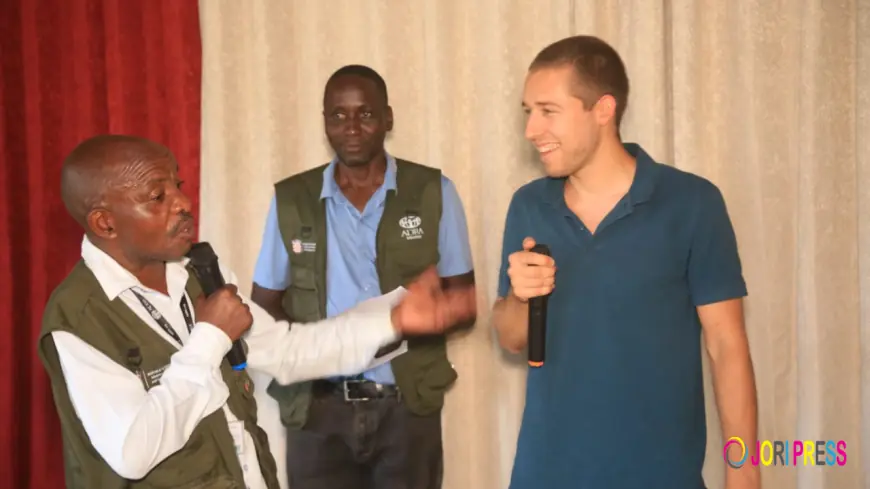
George Williams Kiberu, Projects Director at ADRA Uganda, noted that anchoring the trainers directly inside the communities ensures consistent, close-to-home follow-up support.
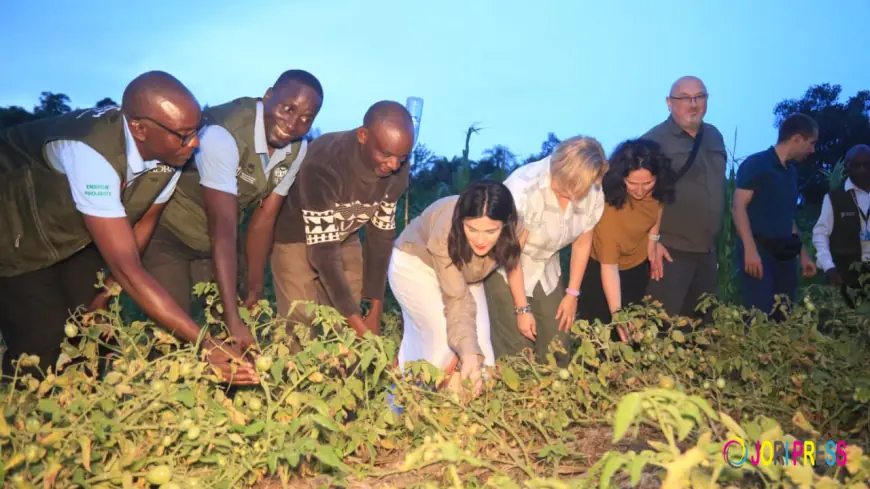
During a recent site evaluation, a delegation led by Martina Mihovilic Vracaric, Head of Department at Croatia’s Ministry of Foreign and European Affairs, toured the settlement gardens to review progress from seeding through to harvest.
Overcoming Land and Market Hurdles:
While the training has sparked tangible progress—such as ToT Nkwasibwe John George successfully mentoring neighbors in tomato production—settlement farmers face stiff structural barriers.
According to Kisamo Daniel, Settlement Commandant of Kyaka II (which spans 26 villages and 9 zones), each refugee household is allotted a compact 30-by-30-meter plot.
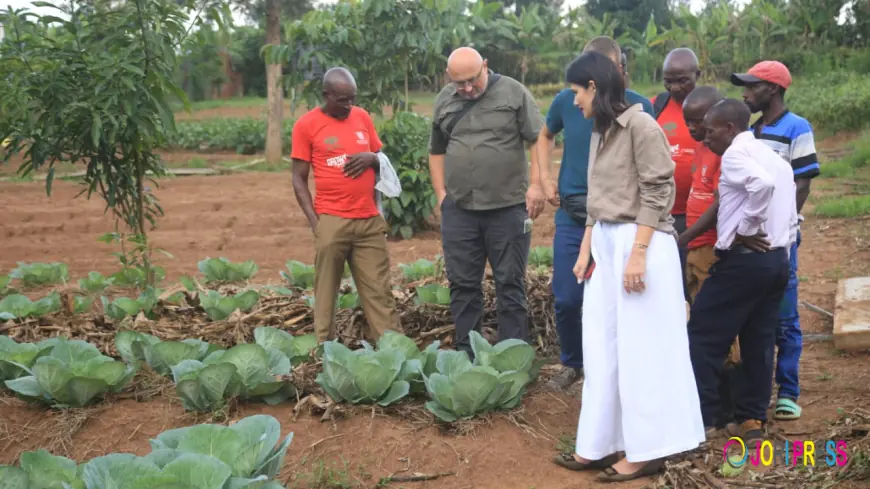
Farmers like Ndyagumisiriza Mackline report ongoing struggles with crop pests, limited access to insecticides, severe weather impacts from heavy rainfall, and a lack of reliable market channels for surplus yield.
The Path Forward:
The Grow Together Project demonstrates how structured, community-led agricultural mentorship can maximize micro-farming spaces. However, maximizing long-term self-reliance will require pairing these skill-building efforts with expanded access to affordable farm inputs, pest-management solutions, and formal market linkages.
What's Your Reaction?
 Like
0
 Dislike
0
 Love
0
 Funny
0
 Angry
0
 Sad
0
 Wow
0