






































Gluten-Free Bread Market: Key Dynamics and Growth Factors
The gluten-free bread market has evolved from a niche medical necessity to a mainstream food segment, driven by growing health awareness and lifestyle choices. Demand is fueled by both celiac and non-celiac consumers who prioritize bread as a daily staple. Key challenges include higher production costs, technical difficulties in replicating traditional bread texture, and price sensitivity. Consumer expectations for taste, freshness, and brand trust heavily influence purchasing behavior, while retail and online distribution expand accessibility and visibility. Innovation, product differentiation, and nutritional enhancements are critical for competitive advantage. Regional preferences, sustainability, and clean-label trends are emerging as important market factors. Overall, the market is defined by a balance between health needs, quality, affordability, and innovation, making it a dynamic and rapidly evolving sector within the global food industry.

Introduction: A Market in Motion
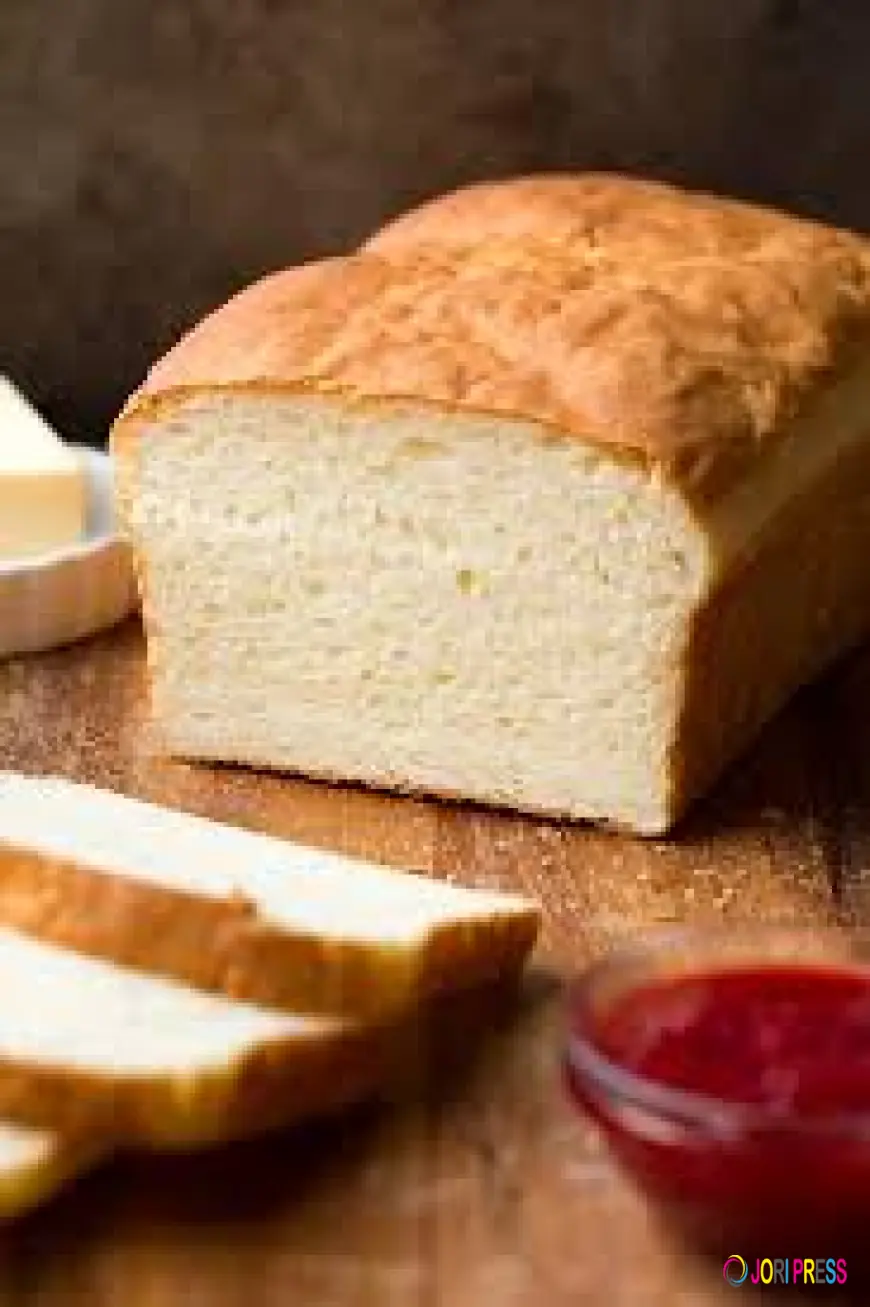
The gluten-free bread market is shaped by a complex interaction of consumer behavior, production challenges, innovation, and retail strategies. Unlike traditional bread categories, this segment operates at the intersection of health necessity and lifestyle choice. As demand continues to expand, understanding the underlying market dynamics becomes essential for grasping how and why this category evolves.
These dynamics include strong demand drivers, persistent restraints, emerging opportunities, and ongoing competitive pressures.
Key Demand Drivers
Growing Health Awareness
One of the strongest drivers of the gluten-free bread market is heightened awareness of gluten-related health conditions. Individuals diagnosed with celiac disease or gluten sensitivity rely on gluten-free bread as a daily staple rather than an occasional substitute.
Beyond medical needs, many consumers associate gluten-free products with digestive comfort and wellness. This perception, whether clinically necessary or not, continues to influence purchasing decisions and sustain demand growth.
Bread as a Dietary Staple
Bread holds a unique position in global diets. Its everyday consumption makes gluten-free bread particularly important within the broader gluten-free category. Consumers seeking gluten-free alternatives often prioritize bread first, as it replaces a core food item rather than a discretionary snack.
This staple status amplifies both demand volume and expectations around taste, texture, and affordability.
Supply-Side Challenges
Complexity of Gluten-Free Formulation
One of the main restraints in the market is the technical difficulty of producing gluten-free bread. Gluten provides elasticity, structure, and moisture retention in traditional bread. Replicating these properties without wheat requires multiple ingredients and precise processing.
Manufacturers must balance texture, shelf life, nutrition, and flavor, often increasing production complexity and cost. These challenges slow product development and limit rapid scaling for smaller producers.
Higher Production Costs
Gluten-free bread production typically involves specialized facilities, dedicated equipment, and strict contamination controls. Alternative flours and binding agents also cost more than conventional wheat flour.
As a result, gluten-free bread often carries a higher retail price, which can discourage price-sensitive consumers and limit market penetration in certain regions.
Consumer Expectations and Buying Behavior
Taste and Texture as Decision Factors
Early gluten-free bread products were tolerated rather than enjoyed. Today’s consumers are far less forgiving. Taste, softness, and freshness now play a decisive role in repeat purchases.
If a product fails to meet sensory expectations, even health-motivated consumers are likely to switch brands. This behavior pushes manufacturers to continuously improve quality, intensifying competition within the category.
Brand Trust and Transparency
Trust is a powerful market dynamic. Gluten-free consumers depend on accurate labeling and consistent quality. Any failure in safety or transparency can lead to immediate brand rejection.
Clear ingredient lists, certification symbols, and honest communication strengthen consumer confidence and influence long-term loyalty.
Retail and Distribution Dynamics
Mainstream Retail Integration
The placement of gluten-free bread in mainstream grocery stores has significantly altered market dynamics. Rather than being isolated in specialty aisles, many retailers now stock gluten-free bread alongside conventional loaves.
This integration increases visibility, normalizes purchasing behavior, and encourages trial by non-diagnostic consumers. Private-label options further intensify competition by offering lower-priced alternatives.
Growth of Online and Direct Sales
E-commerce has reshaped access and convenience. Online platforms allow brands to reach consumers beyond physical store limitations, particularly in areas with limited gluten-free options.
Subscription models and direct-to-consumer delivery also support repeat purchases, especially for households that rely on gluten-free bread daily.
Competitive Landscape and Innovation Pressure
Product Differentiation
As more brands enter the market, differentiation becomes essential. Some focus on artisanal baking methods, while others emphasize nutrition, such as high-protein or seed-rich formulations.
Innovation is no longer optional. Brands that fail to evolve risk losing relevance in a crowded and increasingly sophisticated market.
Role of Small and Specialty Bakeries
Smaller gluten-free bakeries play an important role by introducing premium and locally crafted products. While they may lack scale, they often lead in flavor innovation and customer engagement.
Their success influences larger manufacturers, pushing the entire market toward higher standards.
Emerging Opportunities
Nutritional Enhancement
Consumers are increasingly looking for gluten-free bread that offers more than exclusion. Products enriched with fiber, whole grains, or plant-based proteins present strong growth opportunities.
This shift reframes gluten-free bread as a functional food rather than a restrictive alternative.
Sustainability and Clean Labels
Sustainability is emerging as a secondary but growing influence. Environmentally responsible packaging, simple ingredient lists, and ethical sourcing resonate with modern consumers and add competitive value.
Brands that align gluten-free benefits with broader environmental and ethical concerns can strengthen their market position.
Regional and Cultural Influences
Market dynamics vary across regions based on dietary habits, awareness levels, and purchasing power. In regions where bread is a daily staple, gluten-free alternatives gain faster traction.
Local taste preferences also shape product success. Adapting flavors, textures, and formats to regional expectations helps brands establish stronger connections with consumers.
Conclusion: A Market Defined by Balance
The gluten-free bread market is driven by strong demand but constrained by technical and cost-related challenges. Consumer expectations continue to rise, pushing manufacturers toward constant innovation and quality improvement.
Market dynamics in this segment are defined by balance—between health and enjoyment, affordability and complexity, specialization and mass appeal. As these forces continue to interact, the gluten-free bread market is set to remain an active and evolving part of the global food industry.
What's Your Reaction?
 Like
0
Like
0
 Dislike
0
Dislike
0
 Love
0
Love
0
 Funny
0
Funny
0
 Angry
0
Angry
0
 Sad
0
Sad
0
 Wow
0
Wow
0