






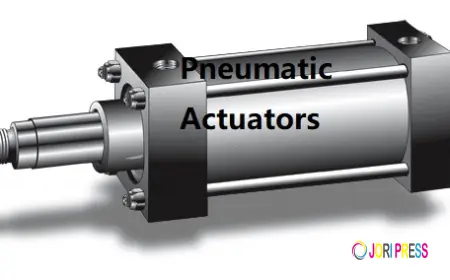






























Fork Type Pneumatic Valve Wisleypneumatic Solutions

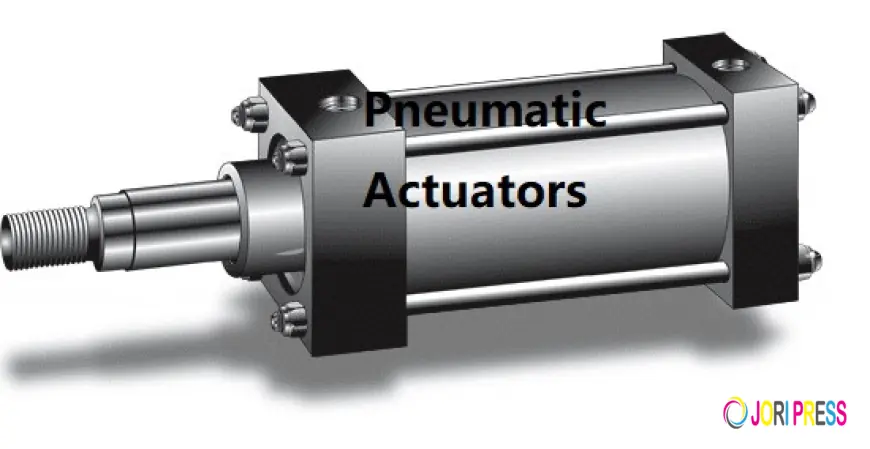
Industrial valve automation requires a suitable combination of mechanical transmission, actuator performance, and precise operating control. In applications involving quarter-turn valves, a Fork Type Pneumatic Valve can be an important part of the automation configuration, helping convert pneumatic energy into controlled mechanical movement. When evaluating a Fork Type Pneumatic Valve, equipment manufacturers should consider torque requirements, transmission structure, operating conditions, and compatibility with the connected valve to achieve an appropriate automation solution.
Understanding the Scotch Yoke Transmission Mechanism
The fork-type transmission mechanism, commonly associated with the Scotch yoke design, converts the linear movement of a pneumatic piston into rotational output. This movement is particularly useful for operating quarter-turn valves such as ball valves and butterfly valves.
Inside the actuator, compressed air drives the piston along the cylinder. A connecting pin interacts with the fork-shaped yoke, transforming linear displacement into rotational movement. This mechanical arrangement allows the actuator to deliver torque for opening and closing the connected valve.
The output characteristics vary throughout the rotation angle. This makes the transmission design an important consideration when matching an actuator with a valve that has specific torque requirements.
Torque Requirements and Actuator Configuration
Selecting an appropriate actuator requires more than checking the nominal valve size. The torque needed to operate a valve may change according to its structure, pressure conditions, sealing arrangement, and operating medium.
Engineers should evaluate several technical factors before choosing an actuator:
-
Starting torque: The force required to move the valve from its initial position.
-
Running torque: The torque needed to maintain movement during operation.
-
Ending torque: The force required to complete the opening or closing movement.
-
Air supply pressure: The available pressure must match the actuator's operating specifications.
-
Safety allowance: Appropriate torque margins should be considered according to engineering requirements.
Different actuator configurations may provide different output characteristics. Reviewing the complete torque curve helps engineers select a suitable model instead of relying exclusively on general product dimensions.
Material Selection for Different Working Environments
Industrial automation equipment may operate in environments involving humidity, temperature variations, dust, or corrosive substances. Material selection therefore plays an important role in actuator construction.
Aluminum alloy components can help reduce overall equipment weight, while stainless steel structures may be considered for applications requiring particular corrosion resistance. Internal seals and sliding components should also be selected according to operating conditions and compressed air quality.
Surface treatment is another consideration. Suitable protective finishes can help maintain external component conditions in challenging environments.
For offshore installations, chemical processing facilities, and outdoor pipeline systems, buyers should communicate environmental requirements before confirming an actuator specification. This allows manufacturers to evaluate suitable material combinations and protective options.
Wisleypneumatic Solutions for Automated Valve Projects
Zhejiang Wisley Automatic Valve Co., Ltd. provides pneumatic actuator products for different industrial valve automation requirements. Its product range includes fork-type pneumatic actuators, stainless steel scotch yoke actuators, and high-performance actuator configurations.
These products can be considered for applications involving ball valves, butterfly valves, and other compatible quarter-turn equipment. Different projects may require different output torque levels, mounting dimensions, and operating arrangements.
For equipment manufacturers and engineering contractors, providing accurate technical information is essential when discussing product selection. Useful references include valve models, required torque, air supply pressure, rotation angle, connection dimensions, and installation conditions.
A properly matched actuator and valve combination can simplify equipment integration. Buyers should also review mounting standards and available accessories to ensure that the selected configuration fits the intended installation.
Installation, Testing, and Equipment Maintenance
Actuator installation should follow the manufacturer's technical documentation. Before assembly, technicians should inspect mounting surfaces, connecting components, and transmission parts to confirm that they are suitable for installation.
After mounting, functional testing helps verify the opening and closing sequence. Engineers should check operating direction, air connections, travel limits, and the coordination between the actuator and connected valve.
Regular maintenance is equally important. Inspection activities may include checking external fasteners, examining seals, monitoring air leakage, and observing abnormal movement or noise.
Compressed air should be maintained at the specified quality and pressure. Contamination or excessive moisture may affect internal components and influence operating consistency.
What's Your Reaction?
 Like
0
 Dislike
0
 Love
0
 Funny
0
 Angry
0
 Sad
0
 Wow
0