

































Ferrite Cylinder Magnet Solutions from mlmagnet

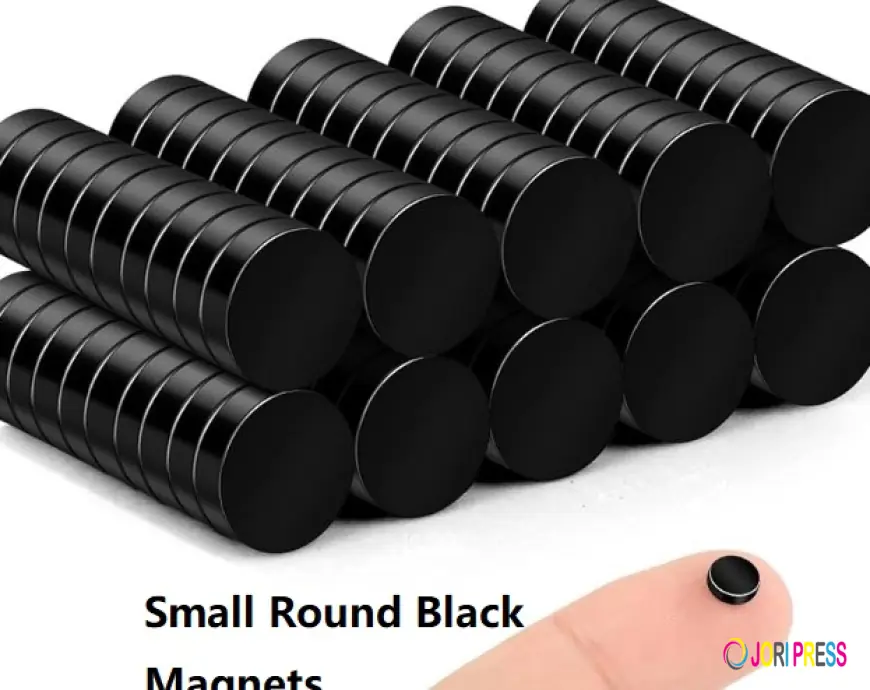
In today's competitive manufacturing market, choosing dependable magnetic components can make a meaningful difference in product performance and production costs. A Ferrite Cylinder Magnet offers a practical solution for applications that require stable magnetic properties, corrosion resistance, and economical production. When engineers search for a Ferrite Cylinder Magnet, they often prioritize durability, consistent dimensions, and compatibility with different mechanical structures. By selecting the right Ferrite Cylinder Magnet, manufacturers can simplify equipment design while maintaining reliable functionality. A carefully specified Ferrite Cylinder Magnet can support everything from compact electronic devices to industrial machinery, making it a versatile option for businesses developing efficient and cost-conscious products.
Reliable Magnetic Performance for Daily Applications
Ferrite magnets are commonly manufactured using iron oxide combined with strontium or barium compounds. This ceramic-based composition provides useful magnetic properties without relying on rare-earth materials. A cylindrical design can fit easily into circular housings, motor assemblies, and specialized equipment where space and positioning matter.
Depending on the selected grade and dimensions, these magnets can provide consistent performance across a range of operating conditions. Their resistance to demagnetization also makes them suitable for products that require long-term magnetic stability. Engineers should evaluate magnetic strength, working temperature, and magnetization direction before finalizing a design.
Cost Efficiency Without Compromising Practicality
Production budgets remain important when manufacturers select components for large orders. Ferrite magnets are generally economical to produce, making them attractive for high-volume applications. Their corrosion resistance can also reduce the need for additional surface protection in many environments.
These advantages can help businesses manage material costs while maintaining dependable product quality. For purchasing teams, the most effective approach is to compare specifications, manufacturing tolerances, and expected service conditions rather than focusing on price alone. Matching the magnet to its intended function helps prevent unnecessary material expenses and design changes.
Where Cylindrical Ferrite Magnets Make a Difference
Cylindrical ferrite magnets are used in various electromechanical and electronic products. Typical applications include small motors, loudspeakers, magnetic sensors, household appliances, educational equipment, and selected industrial assemblies.
In motor systems, magnetic components contribute to the interaction between rotating and stationary parts. In audio equipment, ferrite magnets help establish the magnetic field required for speaker operation. In sensing devices, their magnetic characteristics can support position detection and switching functions when properly integrated with the surrounding components.
The final application determines which diameter, length, grade, and magnetization direction will work best. Careful coordination between component suppliers and product designers can improve assembly compatibility and reduce development delays.
Customization Options from mlmagnet
Different projects often require different magnetic solutions. A standard cylindrical magnet may suit one design, while another application may need customized dimensions, tighter tolerances, or a particular magnetic orientation.
When evaluating suppliers such as mlmagnet, buyers should prepare clear technical requirements, including drawings, target magnetic properties, order quantities, and operating conditions. Providing these details helps manufacturers assess feasibility and recommend suitable specifications.
Quality control is equally important. Dimensional inspection, magnetic performance testing, and consistent production processes can help ensure that supplied components meet the needs of repeat manufacturing. Early communication about requirements also makes it easier to identify potential limitations before mass production begins.
Choosing the Right Magnet for Long-Term Value
Selecting a suitable ferrite magnet involves balancing magnetic performance, installation space, environmental conditions, and total production cost. Buyers should consider how the component will be installed, what magnetic force is required, and whether the finished product will experience vibration, temperature changes, or moisture exposure.
It is also helpful to request samples when practical, allowing engineers to verify fit and performance in the actual assembly. Comparing technical specifications before ordering can reduce the risk of selecting an unsuitable grade or magnetization direction.
What's Your Reaction?
 Like
0
 Dislike
0
 Love
0
 Funny
0
 Angry
0
 Sad
0
 Wow
0