







































Exploring Land Development Feasibility and Architectural Drafting Services
We specialize in residential developments, subdivisions, feasibility work and all things architecture and design.

Starting a land development project involves many steps, but two of the most critical are assessing the feasibility of the land and creating detailed architectural plans. Understanding these processes can save time, money, and effort while ensuring the project meets all necessary requirements. This post explores how land development feasibility studies and architectural drafting services work together to bring a project from concept to reality.
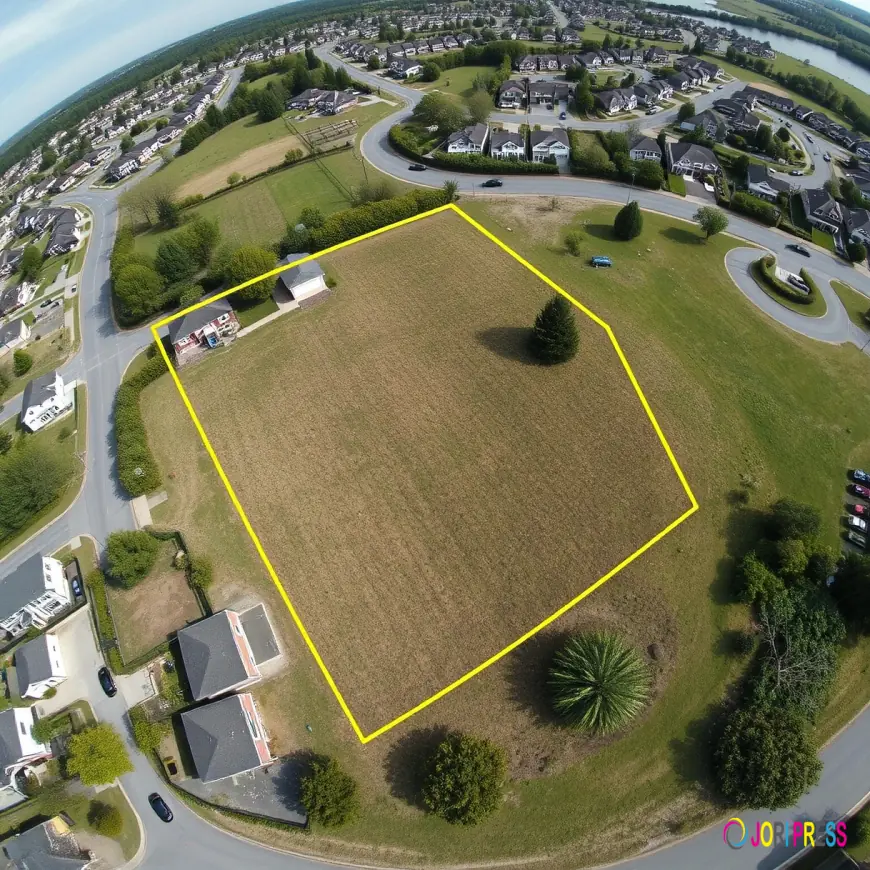
suburban land plot with marked boundaries and survey stakes
Understanding Land Development Feasibility
Land development feasibility is the first step in determining whether a piece of land is suitable for a specific project. It involves analyzing various factors that affect the potential success of the development.
What Does a Feasibility Study Include?
- Site Analysis: Examining the physical characteristics of the land, such as soil quality, topography, drainage, and vegetation.
- Zoning and Regulations: Checking local zoning laws, building codes, and environmental restrictions.
- Infrastructure Availability: Assessing access to utilities like water, electricity, sewage, and roads.
- Market Demand: Understanding the demand for the type of development planned, whether residential, commercial, or mixed-use.
- Financial Assessment: Estimating costs, potential returns, and funding options.
A thorough feasibility study helps identify risks and opportunities early, allowing developers to make informed decisions. For example, a site with poor drainage might require additional investment in landscaping or drainage systems, which could affect the project's budget.
Why Feasibility Matters
Skipping or rushing this step can lead to costly problems later. Imagine starting construction only to find that the land is unsuitable for building due to soil instability or that zoning laws prohibit the intended use. A feasibility study minimizes surprises and helps secure permits faster.
For those interested in a detailed guide on this process, land development feasibility resources provide comprehensive insights.
The Role of Architectural Drafting Services
Once the feasibility study confirms that development is viable, the next step is to create architectural plans. These plans serve as the blueprint for construction and must be precise and compliant with regulations.
What Architectural Drafting Includes
- Conceptual Drawings: Initial sketches that outline the design ideas and layout.
- Detailed Plans: Floor plans, elevations, sections, and site plans that show dimensions and materials.
- Technical Documentation: Specifications for construction methods, materials, and systems.
- Permit Drawings: Plans prepared specifically to meet local authority requirements for building permits.
Architectural drafting services translate ideas into clear, detailed documents that builders and contractors use. This step ensures the project is feasible not only on paper but also in practice.
Benefits of Professional Drafting Services
- Accuracy: Reduces errors that can cause delays or extra costs.
- Compliance: Ensures plans meet all legal and safety standards.
- Communication: Provides a clear vision for all stakeholders, including clients, builders, and regulators.
- Customization: Tailors designs to the specific needs of the site and client preferences.
For those seeking expert support, the best architectural drafting services offer professional assistance from concept to completion.
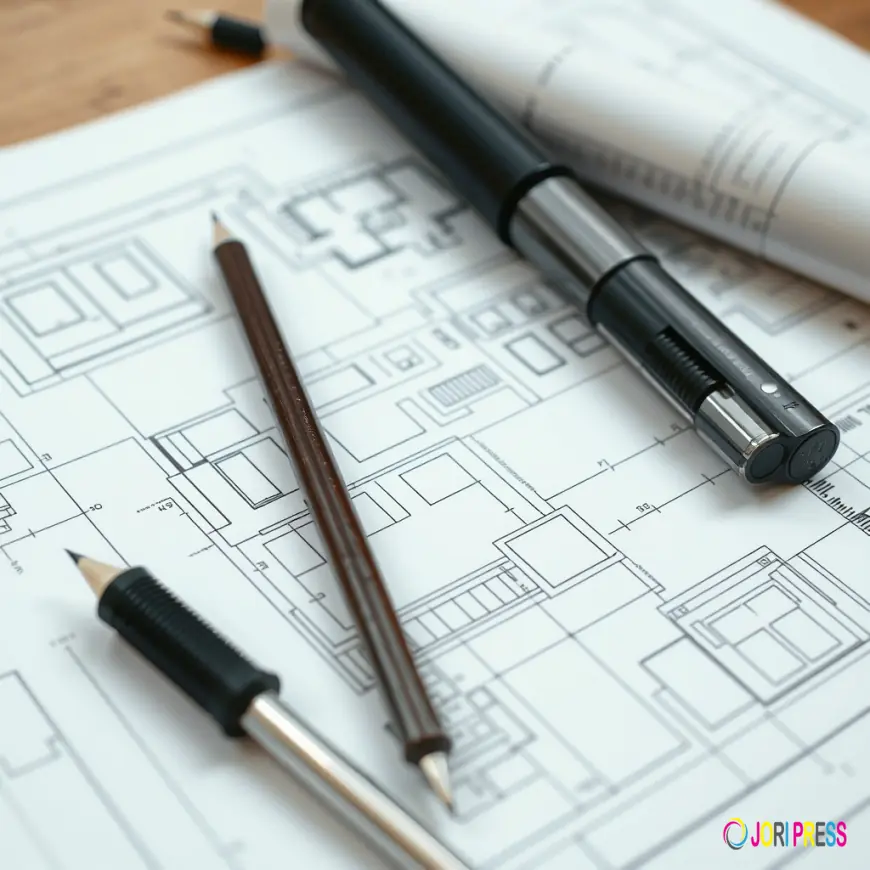
detailed architectural blueprints with drafting tools on a wooden table
How Feasibility and Drafting Work Together
The feasibility study and architectural drafting are closely linked. The findings from the feasibility analysis guide the design process, ensuring the plans are realistic and compliant. For example:
- If the feasibility study identifies slope challenges, the architectural plans will include solutions like retaining walls or stepped foundations.
- Zoning restrictions found during feasibility will shape the building size, height, and placement in the drafting phase.
- Infrastructure availability influences the design of utility connections and access roads.
This collaboration reduces the risk of redesigns and delays, keeping the project on track.
Practical Tips for Developers and Property Owners
- Start Early: Begin with a feasibility study before purchasing land or committing to designs.
- Choose Experienced Professionals: Work with experts who understand local regulations and construction practices.
- Communicate Clearly: Share your vision and concerns with architects and planners to get tailored solutions.
- Review Regularly: Update feasibility and plans as new information or challenges arise.
- Plan for Contingencies: Budget for unexpected costs related to site conditions or regulatory changes.
Final Thoughts
Assessing land development feasibility and investing in quality architectural drafting services are essential steps for any successful project. They provide a clear path forward, reduce risks, and help turn ideas into well-planned, buildable projects. Whether you are a developer, investor, or property owner, understanding these processes empowers you to make smarter decisions and achieve better outcomes.
What's Your Reaction?
 Like
0
Like
0
 Dislike
0
Dislike
0
 Love
0
Love
0
 Funny
0
Funny
0
 Angry
0
Angry
0
 Sad
0
Sad
0
 Wow
0
Wow
0