








































Electric Scooter: A Practical Guide for Everyday Commuters
At the same time, choosing the right scooter requires more than looking at its advertised range or price. Battery capacity, charging time, performance, comfort, safety, and intended usage all play a role in determining whether a particular model is suitable.

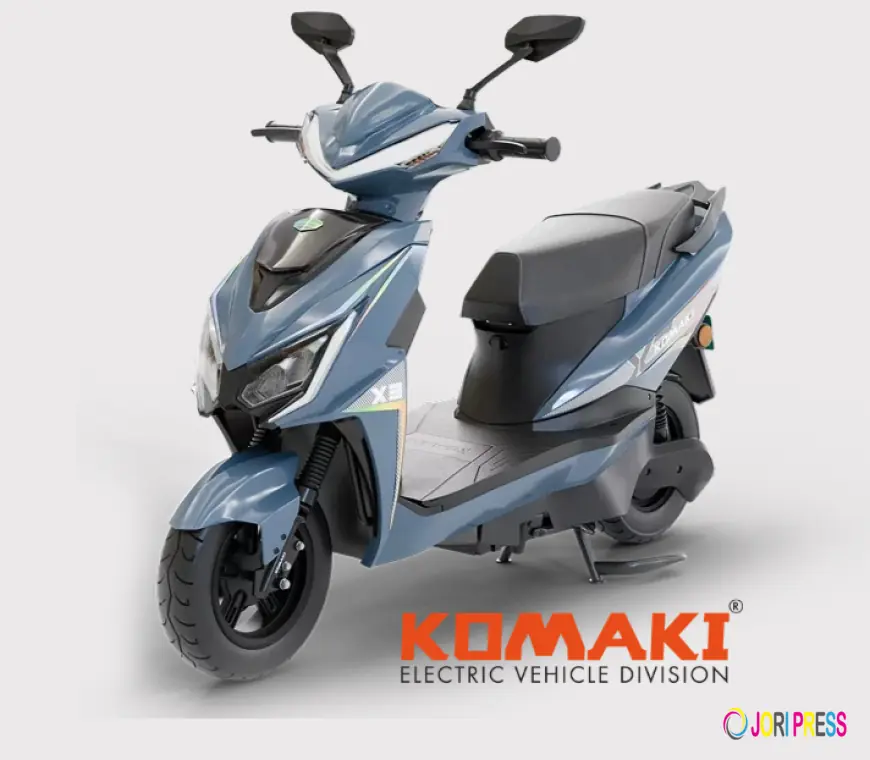
Electric scooters have become an important part of urban transportation in India. Rising fuel costs, increasing traffic, and growing interest in cleaner mobility have encouraged more people to consider electric two-wheelers for everyday travel. From short city commutes to regular office rides, an electric scooter can offer a practical alternative to a conventional petrol-powered vehicle.
The appeal is not limited to lower running costs. Electric scooters are generally simple to operate, produce no tailpipe emissions, and can be charged at home. At the same time, choosing the right scooter requires more than looking at its advertised range or price. Battery capacity, charging time, performance, comfort, safety, and intended usage all play a role in determining whether a particular model is suitable.
What Is an Electric Scooter?
An electric scooter is a two-wheeler powered primarily by an electric motor and rechargeable battery. Instead of carrying petrol in a fuel tank, it stores electrical energy in its battery and uses that energy to drive the motor.
Most modern electric scooters include features such as digital displays, multiple riding modes, regenerative braking, LED lighting, and connected technology. Depending on the vehicle, the battery may be removable or fixed in place.
Electric scooters are available in different performance categories. Some are designed mainly for short-distance urban travel, while others offer higher speeds, larger batteries, longer riding ranges, and stronger performance for frequent commuters.
Why Are Electric Scooters Becoming Popular?
The biggest reason for the growing interest in electric scooters is the potential reduction in everyday running expenses. Electricity used for charging can cost considerably less than petrol required to cover the same distance, particularly for riders who travel regularly.
Another advantage is the convenience of charging at home. A rider can plug the scooter into a suitable household power supply and leave it charging during the night or while the vehicle is parked. This can eliminate frequent visits to a fuel station for many daily users.
Electric scooters are also relatively quiet because their electric motors produce much less mechanical noise than conventional petrol engines. Their simple powertrain can make the riding experience smooth and easy, especially in congested city traffic.
Understanding Electric Scooter Range
Range is one of the first specifications buyers usually consider. It refers to the distance an electric scooter can travel on a single full charge under specified testing or riding conditions.
The actual distance achieved on the road can vary. Rider weight, traffic, riding speed, road conditions, temperature, tyre pressure, use of lights, and riding mode can all influence battery consumption.
For this reason, advertised range should be treated as a reference rather than a guaranteed everyday figure. A person who travels a predictable distance each day should consider the expected real-world range and maintain some charging margin rather than regularly using the battery until it is almost empty.
Battery Capacity and Charging
The battery is one of the most important components of an electric scooter. Its capacity is usually expressed in kilowatt-hours or watt-hours. A larger battery can generally store more energy, although it can also increase the vehicle's weight and cost.
Charging time depends on battery capacity, charger output, battery condition, and the available electrical supply. Some scooters can be charged using a standard household socket, while faster charging systems can reduce the time required when compatible equipment is available.
Battery care also matters. Following the manufacturer's recommended charging practices, avoiding unnecessary exposure to extreme temperatures, and keeping the battery within its recommended operating conditions can help support long-term performance.
Performance and Everyday Riding
Electric motors deliver torque quickly, which gives electric scooters responsive acceleration from a standstill. This can be useful when moving through city traffic or starting from a signal.
However, performance should match the intended use. Someone travelling mainly through busy urban roads may value smooth acceleration and easy handling more than high top speed. A rider who regularly travels longer distances may place greater importance on battery capacity, suspension quality, braking performance, and seating comfort.
Riding modes can also affect the balance between performance and energy consumption. An economical mode may reduce energy use, while a higher-performance mode can provide stronger acceleration at the cost of greater battery consumption.
Comfort and Practicality Matter
An electric scooter may have impressive technical specifications, but those numbers mean little if the vehicle is uncomfortable for everyday use. Seat design, riding position, suspension, floorboard space, handlebar position, and overall weight can influence the experience considerably.
Storage capacity is another practical consideration. Riders who regularly carry a helmet, groceries, work equipment, or other small items should check how much usable storage is available.
The scooter should also be easy to manoeuvre when parked or pushed. A lightweight and well-balanced vehicle can be more convenient for riders who frequently deal with narrow parking spaces, ramps, or crowded streets.
Safety Should Not Be Overlooked
Braking performance, tyres, lighting, suspension, and overall vehicle stability are important when evaluating an electric scooter. Good visibility is particularly useful during night riding and in busy traffic.
Riders should also use appropriate protective equipment and follow local traffic regulations. A helmet remains essential for safe two-wheeler riding, regardless of whether the vehicle is powered by petrol or electricity.
The electrical system and battery should be maintained according to the manufacturer's recommendations. Any unusual battery behaviour, damage, overheating, or charging issue should be addressed promptly rather than ignored.
Maintenance of an Electric Scooter
Electric scooters generally have fewer moving mechanical components than petrol-powered scooters. There is no conventional engine oil, spark plug, or exhaust system to maintain.
However, electric does not mean maintenance-free. Tyres, brakes, suspension, bearings, lights, wiring, and other components still require periodic inspection. Battery health and charging equipment also need attention.
Regular maintenance can help preserve performance and identify potential issues before they become expensive repairs.
Is an Electric Scooter Right for You?
An electric scooter can be a sensible choice for people who mainly travel within cities and have access to convenient charging. Daily commuters, students, families, and other short-distance riders may find the combination of low running costs and easy operation particularly useful.
The decision becomes more complicated for people who regularly travel very long distances, lack access to reliable charging, or frequently ride in conditions that place heavy demands on the vehicle.
The best approach is to consider actual daily requirements rather than choosing a scooter purely because of a high range figure or attractive specification.
The Future of Electric Scooters
Electric scooter technology continues to develop, with improvements in batteries, charging systems, motors, safety equipment, and connected features. As charging infrastructure expands and more consumers become familiar with electric mobility, electric scooters are likely to remain an important part of urban transportation.
For buyers, the focus should remain on practical value. A suitable electric scooter should provide enough range for regular journeys, comfortable handling, dependable safety features, convenient charging, and manageable ownership costs.
Ultimately, an electric scooter is not simply an alternative to a petrol vehicle. It represents a different approach to everyday mobility, one built around electric power, simpler operation, and potentially lower running expenses.
What's Your Reaction?
 Like
0
Like
0
 Dislike
0
Dislike
0
 Love
0
Love
0
 Funny
0
Funny
0
 Angry
0
Angry
0
 Sad
0
Sad
0
 Wow
0
Wow
0