









































Does Leather Burn? How to Tell If Leather Is Genuine
Learn whether leather melts or burns and discover simple ways to identify genuine leather from synthetic alternatives.

Leather is a popular material used for bags, wallets, shoes, jackets, furniture, and many other products. Because synthetic materials can look remarkably similar to real leather, it can sometimes be difficult to determine whether a product is genuinely made from leather.
One common question people ask is: does leather melt or burn? Understanding how leather responds to heat can provide useful information, but it should not be the only method used to identify genuine leather.
Does Leather Melt?
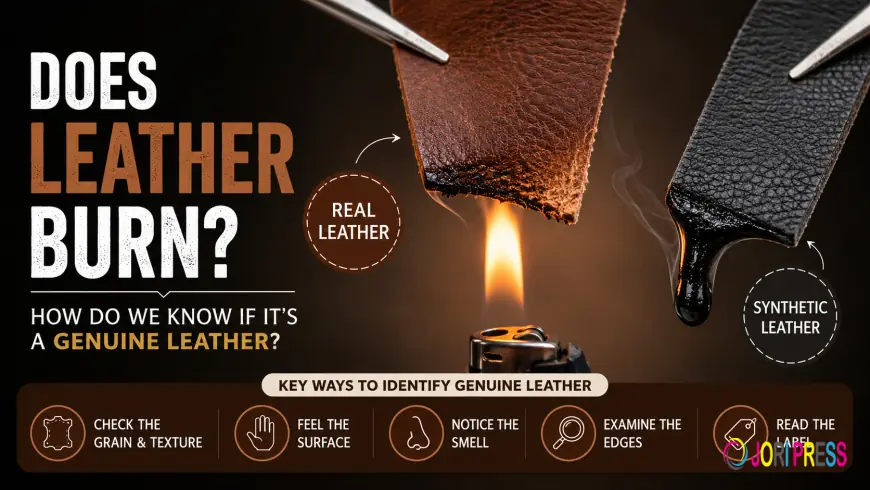
Natural leather generally does not melt like plastic or other synthetic materials. Leather is made from animal hide that has been processed and tanned, so when exposed to high heat, it tends to dry, shrink, darken, or char rather than melt into a liquid.
Synthetic leather, on the other hand, is often made with plastic-based materials such as polyurethane or PVC. These materials can soften, deform, or melt when exposed to sufficient heat.
However, using heat or an open flame to test leather is not recommended. It can damage the product, produce unpleasant fumes, and may create a safety hazard.
How Can You Identify Genuine Leather?
There are several safer ways to assess whether a leather product is genuine.
1. Check the Grain and Texture
Natural leather usually has variations in its grain and surface texture. Small imperfections and differences in texture can be signs of a natural material. Synthetic leather often has a more uniform and repetitive appearance.
2. Examine the Label
Look carefully at the product description or manufacturer's label. Terms such as full-grain leather, top-grain leather, and genuine leather describe different types of leather. If the label says PU leather, synthetic leather, or faux leather, the material is not natural leather.
3. Feel the Material
Real leather often feels warm and natural to the touch, while synthetic materials can feel smoother or more uniform. Keep in mind that modern synthetic leather can be manufactured to closely imitate the feel of genuine leather, so this test alone is not conclusive.
4. Look at the Edges
The edges of a leather item can provide useful clues. Natural leather may have a fibrous appearance at an unfinished edge, whereas synthetic materials can have a more consistent, layered, or plastic-like edge.
5. Consider the Smell
Natural leather often has a distinctive earthy smell. Synthetic leather may have a noticeable chemical or plastic-like odor. This can be a helpful clue, although fragrances and manufacturing treatments can affect the smell.
Genuine Leather vs. Synthetic Leather
The main difference between genuine and synthetic leather is their composition. Genuine leather is produced from animal hide, while synthetic leather is manufactured from other materials, commonly with a plastic coating designed to resemble leather.
Both types have different characteristics and uses. Genuine leather can develop a unique patina over time when properly maintained, while synthetic leather may offer a more consistent appearance and can be available in a wide variety of finishes.
Why Heat Tests Can Be Misleading
Although searching for information about whether leather melts or burns may seem like an easy way to determine authenticity, heat testing is not a reliable approach for everyday consumers. Different leather treatments, coatings, dyes, and synthetic materials can react differently to heat.
A safer approach is to combine several observations, including the product label, grain, texture, construction, and manufacturer's information.
For a more detailed explanation of leather's reaction to heat and practical methods for identifying genuine leather, see this guide: Does Leather Burn? How Do We Know If It's Genuine Leather?.
Final Thoughts
So, does leather melt? Natural leather generally does not melt in the same way as plastic-based synthetic materials. However, heat can still damage leather and should not be used as a casual authenticity test.
When purchasing leather goods, examining the labeling, texture, grain, edges, and overall construction is a much safer and more practical way to assess the material. Taking these factors together can help buyers make more informed decisions when choosing leather products.
What's Your Reaction?
 Like
0
Like
0
 Dislike
0
Dislike
0
 Love
0
Love
0
 Funny
0
Funny
0
 Angry
0
Angry
0
 Sad
0
Sad
0
 Wow
0
Wow
0