








































Difference Between Data Collection, Analysis, and Interpretation
Learn the difference between data collection, analysis, and interpretation, and understand how data analysts transform raw data into insights.

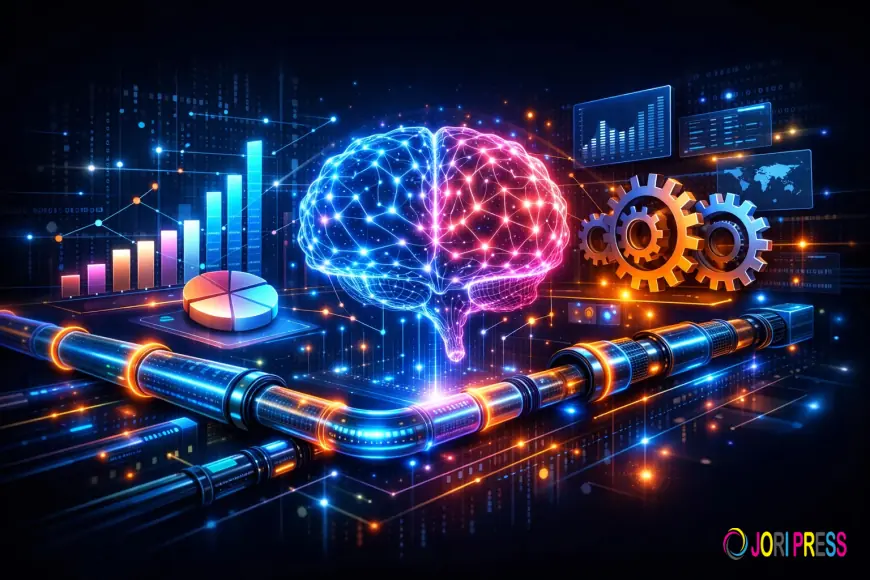
In today’s data-driven world, organizations rely heavily on data to make informed decisions. However, many people often confuse data collection, data analysis, and data interpretation, assuming they are the same. In reality, these are three distinct yet interconnected stages of the data lifecycle. Understanding the difference between them is essential for anyone looking to learn about analytics or explore what professionals like data analysts actually do.
What Is Data Collection?
Data collection is the first step in the data process. It involves gathering raw data from various sources based on a specific objective or problem statement. The quality of insights generated later depends heavily on how accurately and ethically data is collected.
Data can be collected from multiple sources such as surveys, online forms, databases, sensors, social media platforms, transaction records, and user behavior tracking tools. At this stage, the focus is not on insights but on capturing relevant, reliable, and unbiased data.
For a data analyst, data collection means ensuring that the right data is available, complete, and aligned with business goals. Poor data collection can lead to misleading analysis and incorrect conclusions.
What Is Data Analysis?
Once data is collected, it moves to the data analysis stage. This is where raw data is cleaned, processed, and transformed into a structured format suitable for exploration. Data analysis involves identifying patterns, trends, correlations, and anomalies within the dataset.
Techniques used during data analysis include statistical analysis, data visualization, exploratory data analysis (EDA), and the use of tools such as Excel, SQL, Python, R, or BI platforms. This stage answers questions like “What happened?” and “Why did it happen?”
Data analysis is a core part of the work of a data analyst, as it converts unorganized data into meaningful outputs that can support decision-making.
What Is Data Interpretation?
Data interpretation is the final and most critical stage of the process. It involves explaining the results of data analysis in a clear and understandable way, especially for non-technical stakeholders. Interpretation focuses on deriving meaning from the findings and connecting them to real-world business problems.
This stage answers questions such as “What do these results mean?” and “What action should be taken based on this data?” Charts, dashboards, and reports are often used to communicate insights effectively.
Without proper interpretation, even the most accurate analysis can fail to deliver value.
How These Concepts Connect to the Work of a Data Analyst
Understanding the difference between data collection, analysis, and interpretation helps clarify what a data analyst actually does. A data analyst often works across all three stages—collaborating with teams to collect data, analyzing it using appropriate tools, and interpreting results to guide strategic decisions.
Platforms like Analytics Shiksha focus on educating learners about the real-world responsibilities of data analysts, helping them understand how these stages come together in practical business scenarios. Analytics Shiksha provides valuable insights into what is the work of data analyst, the skills required, and how data-driven thinking impacts organizations.
Conclusion
In summary, data collection is about gathering raw information, data analysis is about finding patterns within that data, and data interpretation is about translating those patterns into meaningful insights. Together, these stages form the backbone of analytics and define the essential workflow followed by data analysts across industries.
What's Your Reaction?
 Like
0
Like
0
 Dislike
0
Dislike
0
 Love
0
Love
0
 Funny
0
Funny
0
 Angry
0
Angry
0
 Sad
0
Sad
0
 Wow
0
Wow
0