







































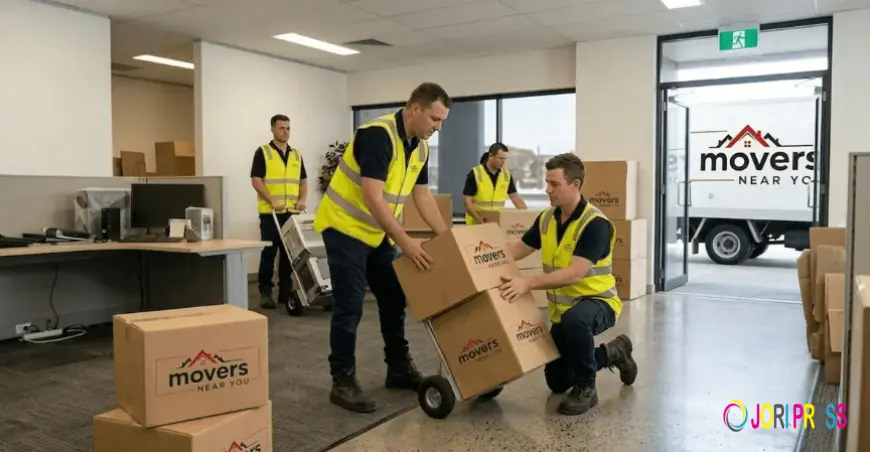
How a Commercial Removalist Keeps Your Business Moving on Move Day
Planning a business move? This commercial removalist guide covers timelines, IT prep, office packing and choosing movers to keep your relocation on track.
Moving a business is nothing like moving house. There are desks to dismantle, servers to shut down, staff to keep informed and clients who still expect a reply on Monday morning. Every hour your team cannot work has a real cost, so a commercial relocation needs more than a truck and a few strong arms. This is where a commercial removalist earns their place. At Ashville Removals, we have helped offices, retail stores and other workplaces across Melbourne plan moves around their trading hours. This guide walks you through planning, preparation and choosing the right team, so your next business move feels organised rather than chaotic.
What Is a Commercial Removalist?
A commercial removalist is a moving company that specialises in relocating businesses rather than households. The work covers offices, shops, warehouses, medical centres and other commercial premises, along with everything inside them.
The difference from a residential move comes down to scale, timing and risk. A family can usually live with a few unpacked boxes for a week. A business often needs workstations, phones and computers running again as soon as possible. A commercial move may also involve building managers, loading docks, lift bookings and after-hours access, which rarely come up in a home move.
|
Area |
Residential move |
Commercial move |
|
Main goal |
Settle into a new home |
Resume business operations quickly |
|
Typical items |
Household furniture and boxes |
Workstations, IT equipment, files, shop fittings |
|
Timing |
Usually during the day |
Often after hours, weekends or in stages |
|
Coordination |
Family members |
Managers, staff, IT, building management |
When Does a Business Need Commercial Removalists?
Businesses call commercial removalists for many reasons. The most common include.
• Growing teams: the current office has simply run out of desks.
• Lease changes: a lease is ending, or a better location has become available.
• Downsizing or hybrid work: fewer staff in the office means a smaller, more efficient space.
• Restructuring: departments merging or moving to different floors.
• New premises: a shop, clinic or warehouse moving to a site that suits the business better.
• Internal moves: shifting teams within the same building, which still needs careful planning.
How to Plan a Successful Commercial Relocation
Good planning is the single biggest factor in a smooth commercial relocation. Most problems on moving day trace back to something that was not decided early enough.
Create a Business Relocation Timeline
Work backwards from your move date. For a small office, a few weeks of planning may be enough. Larger offices or multi-floor sites usually need several months. Your timeline should include.
• Lease dates for both the old and new premises
• Fit-out or cleaning work at the new site
• Internet and phone connection dates
• Packing start dates for each department
• The move date, plus a backup date if possible
Set Responsibilities and Assign a Moving Coordinator
Choose one person to manage the move and be the main contact for your commercial removalist. Depending on the size of the business, they may lead a small team with a representative from each department. Clear ownership stops important tasks from falling through the gaps.
Prepare an Office and Business Moving Checklist
A written checklist keeps everyone on the same page. List every room, every department and every major item, then note what is being moved, sold, stored or thrown out. This is also the best time to declutter, since there is no point paying to move furniture you no longer need.
Notify Employees, Clients and Service Providers
Tell staff early and keep updates regular. Let clients and suppliers know your new address, any changes to opening hours and when you expect to be fully running again. Remember to update your website, Google Business Profile, invoices, email signatures and any listings.
How to Prepare for an Office Move
Office moves have their own challenges, especially around furniture, technology and building access.
Organise Office Furniture and Equipment
Create a floor plan for the new office and mark where each desk, cabinet and meeting table will go. Number each item and match it to the plan. Professional movers can then place furniture straight into position, which saves hours of shuffling later. Ask whether your removalist handles office furniture removal, disassembly and reassembly, including workstations.
Prepare Computers and IT Equipment
IT equipment relocation needs extra care. Speak with your IT team or provider well before the move and agree on.
• A full backup of important data before anything is disconnected
• A shutdown plan for servers and network equipment
• Labelling each cable and device so it can be reconnected quickly
• Who will test systems at the new site before staff arrive
Ask your commercial removalist how they protect and transport sensitive items. Specialist IT and office equipment handling helps reduce the risk of damage during transport.
Label Boxes and Organise Important Documents
Use a simple labelling system: department, room number and contents. Coloured labels for each department make unloading faster. Keep confidential files and essential documents in clearly marked, sealed boxes, and decide who is responsible for them during the move.
Plan Access, Parking and Building Requirements
Many commercial buildings have rules about when and how moves can happen. Check with building management at both sites about.
• Lift bookings and loading dock times
• Parking or permit requirements for the truck
• Protection rules for floors, walls and lifts
• Any after-hours access arrangements
For multi-level buildings, high-rise relocation experience can make a big difference to how smoothly the day runs.
How to Choose the Right Commercial Removalist
Not every moving company is set up for business moves. Whether you are searching for office removalists, commercial movers or office relocation services in Melbourne, look at these points when comparing removalists.
• Commercial experience: ask whether they regularly move offices, shops or similar workplaces.
• Scope of services: check whether they offer planning, packing, disassembly, transport and reassembly, or only transport.
• Equipment handling: ask how they move IT equipment, heavy items and fragile fittings.
• Scheduling options: find out whether after-hours, weekend or staged moves are available.
• Communication: you should have a clear contact person and regular updates before moving day.
• Written details: get the plan, timing and service inclusions in writing so there are no surprises.
It also helps to compare a few office and business movers by asking the same questions to each one. The answers quickly show which team understands commercial work.
How Professional Movers Can Help Minimise Business Downtime
No move is completely free of disruption, but careful planning can keep it to a minimum. Experienced commercial movers often use these approaches.
• Moving outside business hours: evenings and weekends let staff finish work on Friday and start fresh on Monday.
• Staged moves: relocating one department at a time keeps the rest of the business running.
• Priority loading: essential equipment is packed last and unloaded first, so key systems are back up quickly.
• Temporary storage: storage can help when the new site is not quite ready or a move happens in stages.
• Ready-to-work setup: when furniture is placed according to the floor plan, staff can sit down and start working.
At Ashville Removals, we plan each business move around how the business actually operates, because a retail store, a medical centre and a corporate office all have very different priorities.
Common Commercial Moving Mistakes to Avoid
• Leaving planning too late: last-minute bookings limit options for dates, building access and crew availability.
• Packing at the last minute: staff rushing to pack on the final day leads to lost items and mislabelled boxes.
• Poor labelling: boxes without department and room details slow down unpacking.
• Overlooking IT: forgetting to book internet connection or back up data can stop work for days.
• Weak communication: staff who do not know the plan cannot prepare their own desks and files.
• Not preparing the new site: cleaning, fit-out and access arrangements should be finished before the truck arrives.
Commercial Relocation Checklist for Australian Businesses
Before the move
• Confirm the move date and book your commercial removalist
• Appoint a move coordinator
• Measure the new space and create a floor plan
• Book lifts, loading docks and parking at both sites
• Arrange internet, phones and utilities at the new premises
• Notify staff, clients, suppliers and service providers
Packing stage
• Declutter and dispose of unwanted items
• Pack non-essential items first
• Label every box by department, room and contents
• Back up data and label IT equipment and cables
Moving day
• Keep the coordinator on site at both locations
• Do a final walk-through of the old premises
• Check items against your inventory as they arrive
After the move
• Test IT systems, phones and internet
• Check that furniture is placed according to the floor plan
• Update your address on all business listings
• Ask staff for feedback and fix small issues quickly
Why Professional Commercial Removals Matter
Moving a business yourself can look cheaper on paper, but it usually means staff lifting heavy furniture, borrowing vehicles and losing working days. Professional commercial removals bring organised logistics, the right equipment and a team that has handled similar moves before.
Services such as packing, heavy item moving and rubbish removal can also be handled in one plan, so your team can stay focused on clients rather than boxes. If you are unsure how much space you need, the Space Estimator can help you get a clearer picture before you book.
Frequently Asked Questions
What does a commercial removalist do?
A commercial removalist plans and carries out business moves. This can include packing, dismantling furniture, moving IT and office equipment, transporting items securely and setting everything up at the new premises. The aim is to help the business resume normal operations as smoothly as possible.
How do I plan a commercial relocation?
Start with a timeline, appoint a move coordinator and create a detailed checklist. Book your removalist early, confirm building access at both sites, arrange internet and phones at the new office, and keep staff and clients informed at every stage.
What is the difference between commercial removals and residential removals?
Commercial removals focus on workplaces, so they involve more coordination, specialised equipment and careful timing to reduce downtime. Residential removals move household items, usually during the day, with fewer building rules and less pressure to restart operations quickly.
How can a business minimise downtime during an office move?
Plan early, move after hours or on weekends, relocate in stages where possible and prioritise essential equipment. Having IT systems tested and furniture placed according to a floor plan helps staff get back to work faster.
How should IT equipment be prepared for relocation?
Back up all data, label every cable and device, and agree on a shutdown and setup plan with your IT team. Ask your removalist how they protect sensitive equipment during transport and who will test systems at the new site.
When should I book office and business movers?
Book as early as possible, especially for larger offices or busy times of the year. Early booking gives you more choice of dates and time to arrange lifts, loading docks and parking at both locations.
What should I look for when choosing a commercial moving company in Melbourne?
Look for genuine commercial experience, a clear scope of services, careful equipment handling, flexible scheduling and good communication. Ask for written details of the plan and inclusions so you know exactly what to expect.
Conclusion
A successful business relocation starts long before the truck arrives. With a clear timeline, a dedicated coordinator, well-labelled boxes, a prepared IT plan and confirmed building access, your move is far more likely to stay on schedule. Choosing an experienced commercial removalist then turns that plan into a well-run moving day. If you are preparing for an office move or relocating commercial premises in Melbourne, explore the commercial removalist services offered by Ashville Removals and start planning your next move with confidence.
What's Your Reaction?
 Like
0
 Dislike
0
 Love
0
 Funny
0
 Angry
0
 Sad
0
 Wow
0