






































Commercial Coffee Machine Repair Solutions for Dubai Restaurants and Cafés
Commercial coffee machine repair Dubai for cafés, restaurants, and hotels. Get expert diagnosis, reliable repairs, quality parts, and complete testing.

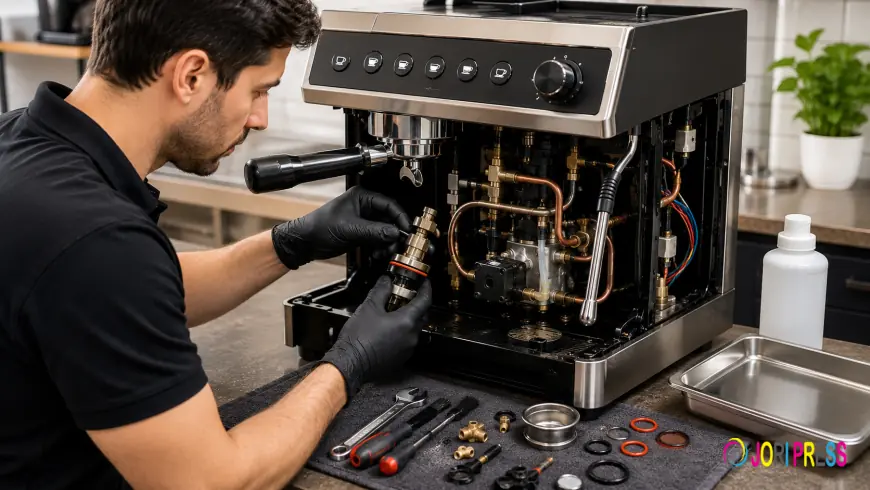
A commercial coffee machine is a core part of daily service in many Dubai cafés and restaurants. It affects drink quality, preparation speed, staff workflow, and customer experience. When the equipment begins leaking, losing pressure, or heating slowly, the entire operation can suffer.
Commercial machines work under demanding conditions. Pumps, boilers, group heads, grinders, and steam systems may operate continuously during busy hours. Small faults can quickly become larger problems when the machine continues working under pressure.
Professional commercial coffee machine repair Dubai support should focus on accurate diagnosis, clear repair options, reliable parts, and complete testing. Understanding the available solutions helps business owners reduce downtime and make better maintenance decisions.
Why Commercial Equipment Needs Specialist Attention
Commercial coffee machines are more complex than most household models. They may contain multiple boilers, direct water connections, rotary pumps, several group heads, drainage systems, and advanced electronic controls.
These components must work together to maintain stable water temperature and pressure. A fault in one area can affect several other functions.
For example, restricted water flow can make the pump work harder, slow down extraction, and reduce boiler recovery. Similarly, a small internal leak may eventually reach wiring or electronic controls.
A technician working on commercial equipment should understand high-volume espresso systems and business operating requirements. The goal is not simply to restart the machine but to identify why it failed and whether other components have been affected.
Low Pressure and Weak Espresso
Low brewing pressure can produce thin, weak, or inconsistent espresso. Shots may run too quickly even when the grinder, dose, and tamping technique have not changed.
Possible causes include pump wear, air leaks, blocked valves, damaged seals, restricted water pipes, or scale buildup. A poor water supply or expired filter may also reduce the amount of water reaching the machine.
The technician should measure pump and brewing pressure rather than relying only on sound or visual flow. This helps separate a mechanical fault from a grinder or preparation issue.
If only one group head is affected, the blockage or valve fault may be localised. When every group shows the same problem, the pump, inlet, filtration system, or pressure control may require attention.
Repair may involve cleaning internal passages, replacing worn seals, servicing valves, or installing a suitable pump component.
Heating and Temperature Problems
Stable temperature is essential for consistent espresso and efficient service. A machine that heats slowly or produces coffee at different temperatures can create unpredictable results.
Heating faults may develop because of a damaged element, faulty thermostat, failed sensor, scale buildup, loose electrical connection, or control-board problem.
The machine should be tested during repeated brewing cycles. Some faults appear only when several drinks are prepared quickly and the boiler struggles to recover.
A technician can inspect the heating system, measure temperature, and evaluate boiler recovery. The solution may involve descaling, calibration, wiring repair, or replacement of the defective component.
Internal temperature or pressure controls should not be adjusted without the correct equipment. Incorrect settings can affect coffee quality and place extra strain on the boiler.
Steam and Milk-Frothing Faults
Restaurants and cafés often prepare a high volume of milk-based drinks. Weak steam can slow service and make it difficult to create consistent milk texture.
Dried milk may block the steam-tip holes, while mineral deposits can restrict internal pipes and valves. Damaged seals, low boiler pressure, and faulty temperature controls can cause similar symptoms.
Staff should wipe and purge each steam wand immediately after use. If normal cleaning does not restore performance, the machine needs internal inspection.
A technician may clean the steam path, service the valve, replace worn seals, or investigate the boiler and heating system.
Two problems require the machine to be switched off promptly:
-
Steam or hot water escapes uncontrollably from a valve, boiler connection, or damaged pipe.
-
The machine overheats, produces a burning smell, or repeatedly trips the electrical supply.
These faults should not be managed by repeatedly restarting the machine.
Water Leaks and Drainage Issues
Commercial machines use several pipes, fittings, valves, seals, and drainage connections. Any of these parts can develop a leak through wear, scale, pressure, or frequent use.
Water may appear around a group head, under the machine, near a steam valve, or beneath the counter. The visible location does not always reveal the original source because water can travel inside the casing.
The technician should inspect the full water system and surrounding components. Replacing the first wet seal without finding the source may allow the leak to return.
Drainage lines should also be checked. Coffee grounds and residue can block trays and pipes, causing water to overflow.
Internal leakage can damage wiring, control boards, pumps, cabinets, and flooring. Early repair is usually less disruptive than waiting for the leak to become severe.
Businesses can review commercial coffee machine repair dubai information for common commercial machine types and faults before arranging an inspection.
Group-Head and Brew-Unit Repairs
Group heads must distribute water evenly through the coffee grounds. Blocked screens, worn gaskets, faulty valves, or restricted passages can affect extraction.
Baristas may notice uneven flow, water escaping around the portafilter, or differences between group heads. Daily flushing and backflushing can reduce residue, but they cannot repair damaged parts.
The technician may remove and clean the shower screen, diffuser, valve, and related water paths. Worn group seals can be replaced before leakage becomes worse.
Automatic commercial machines use internal brew units rather than traditional portafilters. These units may jam, become blocked, or develop worn moving parts.
Professional service can include cleaning, lubrication with an approved food-safe product, seal replacement, and recalibration of the brewing mechanism.
Grinder Problems Affect the Entire Coffee System
The grinder directly influences extraction time and coffee flavour. Uneven grounds can make a healthy espresso machine appear faulty.
Commercial grinders may develop worn burrs, blocked chutes, damaged gears, overheating motors, or unstable adjustment mechanisms.
A gradual increase in grinding time can indicate burr wear. Clicking or scraping may suggest a foreign object or damaged internal part.
If the grinder motor operates but no coffee appears, compacted grounds may be blocking the chute or burr chamber. Repeated operation can place additional strain on the motor.
Grinder servicing may involve internal cleaning, burr replacement, gear inspection, motor testing, and calibration. After repair, the grinder should be adjusted using the café’s normal beans and espresso recipe.
Error Codes and Electronic Faults
Modern commercial machines use sensors, control boards, programmable buttons, displays, and automated cleaning systems.
Error messages may indicate overheating, low water flow, sensor failure, brew-unit obstruction, grinder problems, or internal communication faults.
Record the exact error code and note when it appears. It may occur during startup, heating, brewing, grinding, rinsing, or steaming.
Repeatedly clearing the error without diagnosis may allow the underlying fault to become more serious.
The technician should test sensors, electrical connections, control systems, and related mechanical parts. Water damage should also be considered because internal leaks can cause intermittent electronic problems.
Safety components must never be bypassed simply to return the machine to operation.
On-Site Repair and Workshop Solutions
Large commercial machines are often connected directly to water, drainage, and dedicated electrical supplies. On-site diagnosis is therefore usually the most practical first step.
Accessible seals, valves, blockages, switches, and installation problems may be repaired during the initial visit.
More complicated boiler, grinder, or electronic work may require workshop equipment or ordered parts. The technician should explain why additional time is necessary and provide a realistic completion estimate.
Before approving the work, ask whether the quoted price includes diagnosis, labour, parts, transport, and testing.
If the machine must be removed, confirm how it will be transported and when it is expected to return. Commercial machines should be drained and secured correctly before movement.
Reducing Business Downtime
Fast response is important, but a rushed repair without proper diagnosis may lead to another breakdown.
Provide the technician with the machine’s model number, service records, previous repairs, error codes, and a clear description of the symptoms.
Explain whether the fault happens continuously or only during busy periods. A machine that struggles when several groups and steam wands are operating may have a heating, pressure, or capacity problem.
Restaurants and cafés should maintain a basic backup plan. This may include a smaller secondary machine, a limited drinks menu, or a procedure for directing staff during an outage.
Preventive servicing should be scheduled during quieter hours whenever possible. This allows developing faults to be addressed without interrupting peak service.
Understanding Parts and Warranty Terms
Replacement parts may be original, manufacturer-approved, compatible, refurbished, or used. The technician should explain which type is being recommended.
Critical components such as pumps, heating elements, thermostats, valves, and electrical controls must match the machine’s technical requirements.
Ask whether the repair warranty covers both the installed part and labour. Confirm what will happen if the same fault returns and whether another call-out charge will apply.
A written invoice should identify the diagnosis, work performed, parts installed, and warranty period.
The lowest quotation may not offer the best value if it excludes complete testing, suitable parts, or follow-up support.
Testing After Commercial Machine Repair
The machine should be tested under realistic operating conditions before returning to service.
Every group head should be checked for water flow, pressure, temperature, and leakage. Steam wands should maintain stable output during repeated use.
The hot-water system, drainage, pump, grinder, buttons, and display should also be tested where relevant.
Automatic machines may require checks of the brew unit, milk system, rinse cycles, sensors, and error detection.
A brief startup test is not enough. Some faults appear only after the machine reaches full temperature or completes several consecutive cycles.
The café’s staff should be shown that the original problem has been resolved and informed of any updated maintenance instructions.
Repair or Replacement?
Repair is often worthwhile when the machine is in good overall condition and the fault involves a serviceable component.
Replacement may be more practical when internal corrosion is extensive, major systems repeatedly fail, essential parts are unavailable, or the machine no longer meets business demand.
Owners should compare the repair cost with the price of a suitable commercial replacement, expected downtime, previous repair history, and likely remaining lifespan.
Capacity also matters. Repairing an undersized machine will not prevent repeated strain if the café has outgrown its equipment.
A responsible technician should provide enough information for the owner to decide without pressure.
Preventing Future Breakdowns
Daily cleaning helps protect the completed repair. Group heads, filter baskets, portafilters, steam wands, drip trays, and drainage areas should be cleaned consistently.
Water filters must be replaced according to capacity. Mineral buildup can restrict valves, damage heaters, and place additional strain on pumps.
Managers should maintain a service log showing cleaning, filter changes, repairs, replacement parts, and recurring symptoms.
Staff should report weak pressure, unusual sounds, slow heating, leaks, and error messages as soon as they appear.
Conclusion
Commercial coffee machine faults can affect coffee quality, customer service, staff efficiency, and revenue. Accurate diagnosis is essential for resolving pressure, heating, steam, grinder, leakage, and electronic problems correctly.
Professional commercial coffee machine repair Dubai support, com
What's Your Reaction?
 Like
0
Like
0
 Dislike
0
Dislike
0
 Love
0
Love
0
 Funny
0
Funny
0
 Angry
0
Angry
0
 Sad
0
Sad
0
 Wow
0
Wow
0