


































Choosing the Right Hydraulic Sealing Solutions for Industry

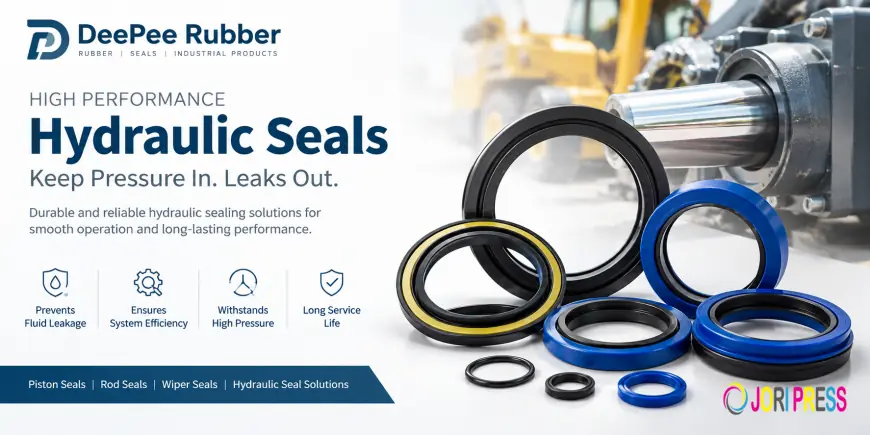
Hydraulic systems are widely used across manufacturing, construction, agriculture, material handling, and heavy engineering. These systems depend on pressurized fluid to generate force and control the movement of machinery. To maintain pressure and prevent fluid leakage, hydraulic seals play an essential role. Choosing suitable sealing components helps improve equipment reliability, maintain operating efficiency, and reduce unnecessary maintenance.
Understanding the Importance of Hydraulic Seals
Hydraulic seals are components designed to prevent hydraulic fluid from leaking between stationary or moving parts. They help maintain the pressure required for hydraulic cylinders and other equipment to function correctly. Without effective sealing, systems may experience fluid loss, reduced operating performance, contamination, and increased maintenance requirements.
Industrial machinery often operates under demanding conditions, including high pressure, repeated movement, temperature variations, and exposure to different hydraulic fluids. Therefore, selecting appropriate hydraulic sealing products is important for maintaining consistent equipment performance.
Hydraulic seals are commonly used in hydraulic cylinders, industrial presses, excavators, agricultural machinery, lifting equipment, and manufacturing systems. Their design and material must match the specific requirements of each application.
Different Types of Hydraulic Seals
Different hydraulic applications require different sealing arrangements. Understanding the main types can help equipment manufacturers, maintenance teams, and industrial buyers identify suitable products.
Piston seals are installed within hydraulic cylinders to prevent fluid from passing between the piston and cylinder bore. They help maintain the pressure difference required to move the piston and generate force.
Rod seals prevent hydraulic fluid from escaping along the piston rod as it moves in and out of the cylinder. They are important for limiting external leakage and supporting reliable cylinder operation.
Wiper seals, also known as scraper seals, help prevent dust, dirt, moisture, and other external contaminants from entering the hydraulic cylinder. By protecting internal components, they can help reduce wear and support longer service life.
Other specialized sealing designs may be selected according to equipment geometry, operating pressure, movement, and material requirements. The correct combination depends on the application and the manufacturer's specifications.
Materials Used in Hydraulic Sealing Applications
Material selection is another important factor when choosing hydraulic seals. Different materials offer different levels of flexibility, wear resistance, temperature tolerance, and compatibility with hydraulic fluids.
Nitrile rubber is commonly used in applications requiring resistance to many petroleum-based oils. Polyurethane is often selected for its abrasion resistance and mechanical strength. Polytetrafluoroethylene (PTFE) is used in certain applications that require low friction and suitable chemical resistance.
However, no single material is ideal for every hydraulic system. Operating temperature, fluid composition, pressure, movement speed, and environmental exposure should all be considered before choosing a seal. Consulting product specifications helps ensure that the selected material is appropriate for the intended operating conditions.
How to Choose the Right Hydraulic Sealing Solution
Selecting hydraulic seals involves evaluating several technical requirements rather than choosing a product based on size alone.
First, confirm the dimensions and sealing arrangement specified for the equipment. Incorrect sizing can lead to leakage, excessive friction, or premature wear. Next, consider the system's operating pressure and temperature, as these conditions influence seal performance.
Fluid compatibility is equally important. A seal material that performs well with one hydraulic fluid may not be suitable for another. The type of movement, such as reciprocating motion in a hydraulic cylinder, must also be considered.
Industrial buyers should review product specifications, material details, and manufacturer recommendations before making a purchasing decision. When replacing worn seals, checking the cause of the original failure can also help prevent recurring problems.
Maintenance Practices for Better Seal Performance
Even suitable hydraulic seals can fail prematurely when systems are poorly maintained. Regular inspection helps identify leakage, surface damage, deformation, and signs of excessive wear.
Keeping hydraulic fluid clean is essential because contaminants can damage sealing surfaces and other internal components. Correct installation is also important; improper fitting, damaged seal edges, or unsuitable tools can affect sealing performance.
Maintenance teams should follow equipment manufacturers' inspection schedules and replacement recommendations. Addressing minor leakage early can help prevent fluid loss, operational interruptions, and more extensive repairs.
Explore Hydraulic Seals from DeePee Rubber
Finding suitable sealing components is an important consideration for businesses that depend on hydraulic machinery. DeePee Rubber offers industrial rubber products and sealing solutions for a range of engineering requirements.
Businesses researching hydraulic sealing products can visit the DeePee Rubber to explore the available range and review options relevant to their applications. When evaluating products, buyers should match the specifications to their equipment requirements and confirm material compatibility and operating limits.
Selecting suitable products from an industrial sealing supplier can help businesses make more informed purchasing decisions and support their equipment maintenance requirements.
Conclusion
Hydraulic seals are essential components that help hydraulic machinery maintain pressure, prevent fluid leakage, and operate reliably. Understanding seal types, material properties, application requirements, and maintenance practices can help businesses reduce avoidable failures and improve equipment performance. By evaluating technical specifications and exploring appropriate products from suppliers such as DeePee Rubber, industrial buyers can make informed decisions about their hydraulic sealing needs.
What's Your Reaction?
 Like
0
Like
0
 Dislike
0
Dislike
0
 Love
0
Love
0
 Funny
0
Funny
0
 Angry
0
Angry
0
 Sad
0
Sad
0
 Wow
0
Wow
0