

































Ceramic Rods for Precision Engineering Solutions

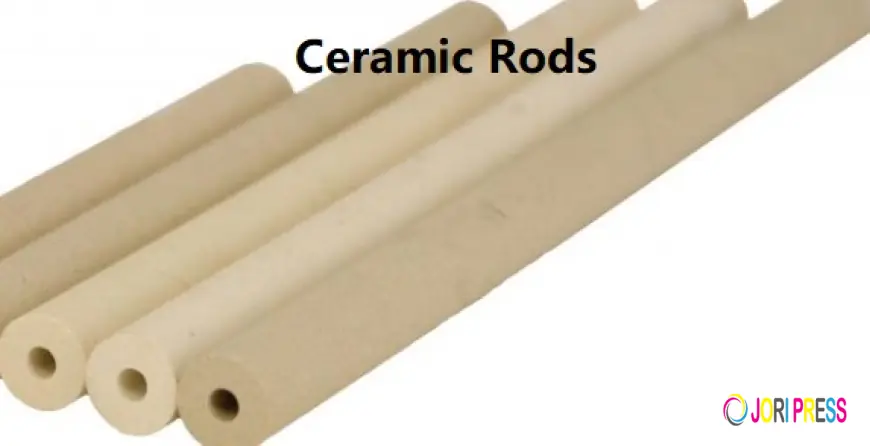
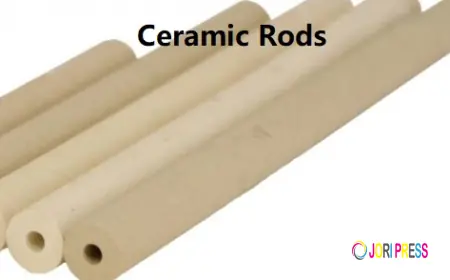
When industrial equipment requires components with stable geometry, electrical insulation, or resistance to demanding operating conditions, Ceramic Rods can provide useful material options for specialized designs. Engineers evaluating Ceramic Rods need to consider more than length and diameter, including ceramic composition, surface finish, mechanical loading, temperature exposure, and installation requirements. By matching these details to the intended application, manufacturers can select components that integrate effectively into precision assemblies and technical equipment.
Why Rod-Shaped Ceramic Components Matter
The simple cylindrical form of a ceramic rod makes it adaptable to a range of engineering tasks. Depending on the material and design, rods may be used as insulating supports, positioning elements, wear-resistant parts, or structural components within specialized equipment. Their suitability depends on the properties required by the complete system.
Technical ceramics can offer characteristics such as hardness, electrical insulation, and resistance to wear under appropriate conditions. However, different ceramic compositions perform differently, so engineers should avoid selecting a material based on shape alone. Reviewing the working environment and the role of the rod helps establish which properties deserve the most attention.
Choosing the Right Material and Dimensions
Material selection should begin with the conditions the component will encounter. Alumina is commonly used where electrical insulation and wear resistance are important, while other ceramic materials may be considered for different thermal, chemical, or mechanical requirements. The final decision should reflect the application's actual operating conditions.
Dimensional accuracy is equally important. Diameter, overall length, straightness, and surface finish may influence alignment and contact with neighboring parts. If a rod fits into a precision opening, even small dimensional variations can affect assembly. Buyers should identify critical measurements on technical drawings and specify the tolerances needed for the intended use.
ZFCera and Customized Ceramic Rod Design
Standard dimensions may be sufficient for some projects, but specialized equipment often calls for particular lengths, diameters, or end configurations. A rod may need a defined surface finish or additional machining to fit a specific assembly. These details should be established before production begins.
ZFCera provides a starting point for businesses exploring ceramic structural components and manufacturing options. When requesting a quotation, buyers can share engineering drawings, material preferences, required quantities, and information about the working environment. It is also helpful to discuss the feasibility of tight tolerances, sample evaluation, and inspection procedures. Clear specifications allow suppliers to assess the design more accurately and explain relevant manufacturing considerations.
Manufacturing Accuracy and Quality Checks
Ceramic rods can be produced through different forming and finishing processes, depending on the selected material and required geometry. Production may involve powder preparation, forming, sintering, grinding, and precision machining. Process selection can influence dimensional accuracy, surface quality, and the characteristics of the finished component.
Quality inspection should focus on the features that matter to the application. Diameter and length measurements help confirm dimensional conformity, while straightness and surface checks may be important for parts used in precision assemblies. Visual inspection can also help identify chips, cracks, or other visible defects. Buyers should agree on inspection criteria and acceptable tolerances before ordering, especially when components must fit closely with other equipment parts.
Planning for Reliable Component Integration
A ceramic rod should be assessed as part of the assembly in which it will operate. Although technical ceramics can provide useful hardness and insulation properties, many ceramic materials are brittle and may be vulnerable to impact or uneven loading. Proper support, suitable clearances, and careful handling are therefore important during installation.
What's Your Reaction?
 Like
0
 Dislike
0
 Love
0
 Funny
0
 Angry
0
 Sad
0
 Wow
0