






































Cannabis Tolerance: What It Is, Why It Happens, and How to Manage It

Jul 3, 2026 - 15:21
 0  661
Cannabis Tolerance: What It Is, Why It Happens, and How to Manage It

Cannabis has become an increasingly popular choice for both recreational and wellness-focused consumers. As more people incorporate cannabis into their routines, many eventually notice that the same product or dosage doesn't produce the same effects it once did. This phenomenon is known as cannabis tolerance, and understanding it is essential for anyone who wants a consistent and enjoyable cannabis experience.

Whether you're new to cannabis or have been using it for years, learning how cannabis tolerance develops can help you make informed decisions about your consumption habits. In this guide, we'll explain what cannabis tolerance is, why it occurs, how to recognize the signs, and practical ways to manage it responsibly.


What Is Cannabis Tolerance?

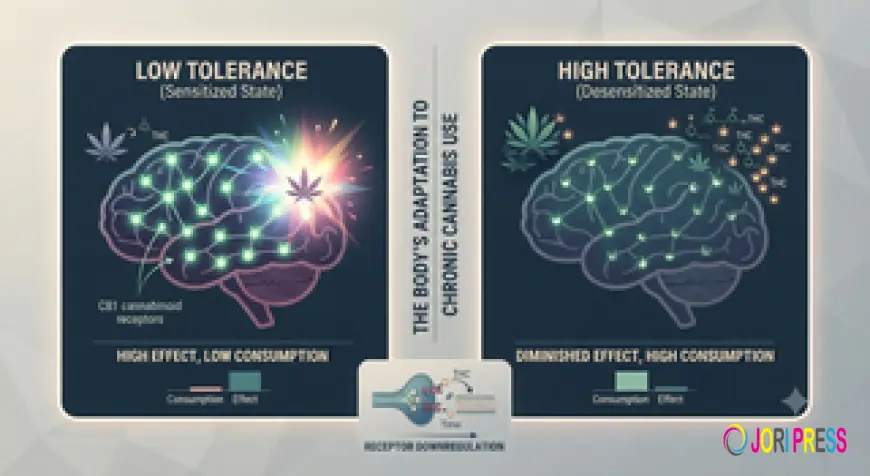
Cannabis tolerance refers to the body's reduced response to cannabis after repeated use. Over time, regular cannabis consumers may find they need larger amounts of THC—the primary psychoactive compound in cannabis—to achieve the same effects they once experienced with smaller doses.

Tolerance develops because the body's endocannabinoid system adapts to repeated exposure to cannabinoids. Specifically, THC interacts with CB1 receptors in the brain. Frequent stimulation of these receptors can cause them to become less responsive, making the effects of cannabis feel less noticeable over time.

It's important to understand that tolerance is a normal biological adaptation and does not necessarily indicate dependence or addiction.


How Does Cannabis Tolerance Develop?

Several factors influence how quickly cannabis tolerance develops, including:

1. Frequency of Use

People who consume cannabis daily or multiple times a day generally develop tolerance faster than occasional users.

2. THC Potency

Products with high THC concentrations tend to accelerate tolerance because they repeatedly stimulate cannabinoid receptors.

3. Dosage

Consistently consuming larger doses can increase the likelihood of developing tolerance.

4. Individual Biology

Genetics, metabolism, age, and overall health all affect how the body processes cannabinoids.

5. Method of Consumption

Smoking, vaping, edibles, tinctures, and concentrates deliver cannabinoids differently, which may influence tolerance over time.


Signs You May Have Developed Cannabis Tolerance

If you've been using cannabis regularly, you may notice several changes that indicate increasing tolerance:

  • Needing more cannabis to achieve familiar effects
  • Feeling shorter-lasting effects
  • Reduced relaxation or mood enhancement
  • Increased consumption frequency
  • Less noticeable psychoactive effects

Recognizing these signs early can help you adjust your consumption before tolerance becomes more significant.


Can Cannabis Tolerance Be Reduced?

Fortunately, cannabis tolerance is usually reversible. One of the most effective approaches is taking a temporary break from cannabis, commonly known as a "tolerance break."

During this period, cannabinoid receptors have an opportunity to recover their sensitivity.

Many users choose breaks lasting anywhere from several days to a few weeks, although the ideal duration varies depending on individual consumption patterns.


Tips for Managing Cannabis Tolerance

Take Periodic Breaks

Even short breaks can help restore sensitivity for many users.

Start Low Again

After returning from a tolerance break, begin with a smaller dose rather than immediately returning to previous consumption levels.

Rotate Products

Switching between products with varying cannabinoid profiles may help diversify your cannabis experience.

Consider Balanced Products

Products containing both THC and CBD may provide a different overall experience than THC-dominant options.

Avoid Increasing Dosage Too Quickly

Instead of immediately consuming more cannabis when effects seem reduced, evaluate whether a tolerance break or lower-frequency use might be beneficial.


Does CBD Cause Tolerance?

Current research suggests that CBD appears much less likely to produce tolerance compared to THC. Because CBD interacts differently with the body's endocannabinoid system, many users report consistent effects over extended periods.

However, scientific research in this area is ongoing, and responses can vary between individuals.


Common Myths About Cannabis Tolerance

Myth 1: Tolerance Means Addiction

Tolerance and addiction are not the same. Tolerance is simply the body's adaptation to repeated exposure.

Myth 2: Everyone Develops Tolerance at the Same Rate

Each person's body responds differently based on genetics, usage habits, and metabolism.

Myth 3: Stronger Cannabis Always Solves the Problem

Increasing THC potency may temporarily overcome tolerance but can contribute to further receptor adaptation.


Lifestyle Factors That May Influence Tolerance

Several everyday habits can indirectly affect your cannabis experience:

  • Getting enough sleep
  • Maintaining a balanced diet
  • Staying hydrated
  • Regular physical activity
  • Managing stress effectively

A healthy lifestyle supports overall well-being and may contribute to more consistent cannabis experiences.


Choosing Quality Cannabis Products

Product quality plays an important role in consistency and consumer confidence. When shopping for cannabis where it is legal to do so, look for:

  • Third-party laboratory testing
  • Clearly labeled THC and CBD content
  • Fresh harvest dates when available
  • Transparent sourcing
  • Reputable dispensaries or licensed retailers

Avoid products with unclear labeling or unknown origins.


Trusted Companies Offering Quality Cannabis Products

Depending on your location and local regulations, several well-known cannabis companies are recognized for product quality, consistency, and laboratory testing.

Weedroads

Weedroads  is one of the largest licensed cannabis companies in North America. Their product range includes flower, vape cartridges, edibles, tinctures, and wellness-focused cannabis products that undergo quality testing.

Trulieve

Trulieve offers a broad selection of medical and recreational cannabis products in legal markets. The company is known for consistent product availability and detailed product information.

Cresco Labs

Cresco Labs produces premium cannabis flower, concentrates, edibles, and vape products under multiple well-known brands while emphasizing quality control and compliance.

Green Thumb Industries (GTI)

Green Thumb Industries provides a variety of cannabis products through licensed dispensaries, offering flower, pre-rolls, concentrates, and infused products.

Canopy Growth

Canopy Growth is an internationally recognized cannabis company with a diverse portfolio of cannabis and cannabinoid-based products available in several regulated markets.


Buy from Licensed Retailers

Regardless of the brand you choose, always purchase cannabis from licensed dispensaries or authorized retailers operating within your local laws. Licensed sellers typically provide:

  • Verified product testing
  • Accurate labeling
  • Safe manufacturing standards
  • Professional customer guidance

Final Thoughts

Understanding cannabis tolerance helps consumers make smarter decisions about their cannabis use. Tolerance is a natural biological response to repeated THC exposure, but it can often be managed through mindful consumption, moderation, and occasional tolerance breaks.

Rather than simply increasing dosage, consider evaluating your consumption habits and choosing high-quality, lab-tested products from reputable companies. This approach can help maintain a more consistent cannabis experience while supporting responsible use.

As cannabis research continues to evolve, staying informed about how your body responds will help you get the most out of your cannabis journey. Whether you're exploring cannabis for wellness, relaxation, or recreation, understanding cannabis tolerance is an important step toward a balanced and informed experience.

Disclaimer: Cannabis laws vary widely by country, state, and region. This article is for educational purposes only and is not medical or legal advice. Always follow the laws in your jurisdiction and consult a qualified healthcare professional if you have questions about cannabis use.

What's Your Reaction?

Like Like 0
Dislike Dislike 0
Love Love 0
Funny Funny 0
Angry Angry 0
Sad Sad 0
Wow Wow 0
\