































Can You Have a Hair Transplant Without Shaving Your Head?
Can you have a hair transplant without shaving your head? Explore unshaven FUE and DHI options, benefits, recovery and suitability for natural-looking results.
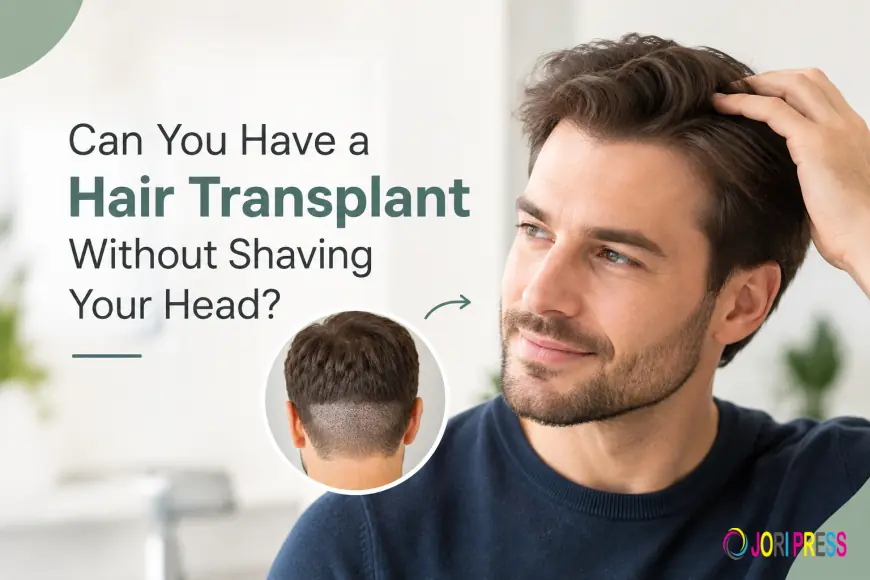
For many people experiencing hair loss, a hair transplant offers an opportunity to improve hair density and restore a natural-looking hairline. However, one common concern can prevent people from exploring this option: the thought of shaving their entire head. Whether you have a busy professional life, prefer to keep your hairstyle unchanged, or simply feel uncomfortable with a shaved appearance, you may wonder whether a hair transplant without shaving is possible.
The good news is that some hair transplant procedures can be performed without shaving the entire head. Depending on your hair loss pattern, donor hair availability and chosen technique, it may be possible to keep much of your existing hairstyle throughout the process. Understanding the available options can help you make an informed decision about hair restoration.
Is It Possible to Have a Hair Transplant Without Shaving?
Yes, certain hair transplant procedures can be performed without completely shaving the head. These approaches are often described as unshaven or non-shaven hair transplants. They aim to preserve the patient's existing hairstyle while allowing a surgeon to extract and implant hair follicles.
Traditional hair transplant procedures often involve shaving the donor area, the recipient area, or both. This allows the surgical team to access the scalp more easily and identify individual hair follicles. However, shaving is not always necessary for every patient.
With selected techniques, the surgeon can work around existing hair or trim only small, concealed sections. This may make the procedure less noticeable immediately afterwards, although it does not eliminate all signs of surgery or guarantee a shorter recovery period.
The most suitable approach depends on your individual circumstances and the surgeon's assessment.
What Is an Unshaven FUE Hair Transplant?
Follicular Unit Extraction (FUE) is a hair restoration technique in which individual follicular units are removed from a donor area, usually at the back or sides of the scalp, and implanted into areas affected by hair thinning.
In a conventional FUE procedure, the donor area is generally trimmed or shaved to help the surgeon access and extract follicles accurately. With an unshaven FUE approach, the surgeon works with longer hair or trims selected sections rather than shaving the entire scalp.
There are different variations of unshaven FUE. Some involve leaving the recipient area unshaven while trimming the donor area. Others use carefully selected donor hairs without an obvious overall haircut.
Although these approaches can preserve more of your existing appearance, they may require additional time and technical expertise. Not every clinic offers every variation, and not every patient is a suitable candidate.
Can You Have a DHI Hair Transplant Without Shaving?
Direct Hair Implantation (DHI) is another hair restoration approach that may be suitable for selected patients who wish to avoid a fully shaved appearance.
DHI involves implanting extracted follicles using a specialised implanter device. Depending on the treatment plan, the surgeon may be able to preserve existing hair in parts of the scalp. However, DHI does not automatically mean that shaving is unnecessary.
The donor area may still need trimming to facilitate follicle extraction. The recipient area may also require preparation, depending on the technique, the extent of hair loss and the surgeon's preferred method.
When comparing FUE and DHI, it is important to look beyond the name of the procedure. Ask whether the proposed treatment can be performed without shaving, which areas might need trimming, and why the recommended approach is appropriate for your hair loss pattern.
Who Is a Suitable Candidate for an Unshaven Hair Transplant?
An unshaven hair transplant may appeal to people who want to maintain their current hairstyle or return to work without a dramatic change in appearance. However, suitability depends on several clinical and practical factors.
You may be considered for this approach if:
-
You have limited hair loss and need a relatively small number of grafts.
-
You want to improve a receding hairline or address a localised area of thinning.
-
You have sufficient healthy donor hair for the proposed procedure.
-
Your existing hair length can help conceal trimmed sections during recovery.
-
You understand the possible limitations and additional time involved.
People requiring extensive restoration may need a larger treatment area, making an unshaven approach more challenging. The surgeon must also assess donor hair quality, scalp health, the likely progression of hair loss and your overall suitability for surgery.
A professional consultation is essential before deciding whether this option is appropriate.
If you are researching hair transplant in Liverpool, look for a clinic that provides an individual assessment, explains the available techniques clearly and sets realistic expectations about results and recovery.
Benefits of Having a Hair Transplant Without Shaving
The main attraction of an unshaven procedure is the ability to preserve more of your existing appearance. For some patients, this can offer practical and personal advantages.
1. Maintain Your Existing Hairstyle
Keeping much of your hair unshaven may help you retain a familiar appearance during the early recovery period. This can be particularly appealing if you have longer hair or prefer not to make a noticeable change to your hairstyle.
2. Potentially Less Noticeable Donor Area
If only selected sections are trimmed, surrounding hair may help conceal them. The visibility of the donor area will depend on your hair length, density, haircut and the extent of extraction.
3. Greater Convenience for Some Lifestyles
People with professional commitments, social events or public-facing roles may prefer an approach that does not involve shaving their entire head. Nevertheless, you should plan for recovery time and follow your surgeon's advice about returning to normal activities.
4. A More Discreet Treatment Experience
For individuals who value privacy, maintaining their existing hairstyle may make the procedure feel less noticeable to others. However, redness, small scabs, swelling or changes in the transplanted area can still occur.
Are There Any Disadvantages?
Although an unshaven hair transplant can be appealing, it is not necessarily the best choice for everyone.
The procedure may take longer because the surgeon must work carefully around existing hair. It can also involve additional technical challenges and may not be suitable for extensive hair restoration.
Depending on the clinic, the procedure may cost more than a conventional approach because of the extra time and complexity involved. You should request a personalised quotation rather than assume that an unshaven procedure has a standard price.
It is also important to understand that keeping your head unshaven does not prevent the normal healing process. You may still experience temporary redness, swelling, scabbing and shedding of transplanted hairs. The final cosmetic outcome develops gradually, often over several months.
Your decision should prioritise the safety and suitability of the procedure, the surgeon's experience and a realistic treatment plan rather than hairstyle preferences alone.
What Is the Recovery Process Like?
Recovery following an unshaven hair transplant is broadly similar to recovery after other hair transplant techniques. The exact timeline varies according to the procedure, the number of grafts and individual healing.
During the first few days, you may experience mild swelling, tenderness or redness. Small scabs can form around the implanted follicles and donor extraction sites. Following the clinic's aftercare instructions is essential to protect the treated areas.
During the following weeks, some transplanted hairs may shed. This is a common part of the process and does not necessarily mean the treatment has failed. New growth typically develops gradually, with noticeable improvement often taking several months and the final result potentially taking 12 months or longer.
Your surgeon will advise when you can wash your hair normally, return to exercise and resume other activities. Avoid rubbing, scratching or styling the treated areas in ways that could disturb healing.
How Much Does a Hair Transplant Without Shaving Cost?
The cost depends on the number of grafts required, the technique used, the complexity of the procedure and the clinic's fees. An unshaven approach may cost more than a conventional procedure in some clinics because it can require additional time and precision.
Before agreeing to treatment, request a clear breakdown of the quotation. Ask what is included, whether follow-up appointments are covered, and whether the proposed number of grafts is appropriate for your needs.
Be cautious about choosing a procedure based on price alone. The surgeon's qualifications, experience, treatment planning and commitment to patient safety are important considerations.
How to Choose the Right Hair Restoration Approach
If you are considering a hair transplant, arrange a consultation with a qualified, appropriately experienced medical professional. Discuss your goals, the areas you want to improve, your preferred hairstyle and whether avoiding a full shave is essential to you.
Ask about the differences between conventional FUE, unshaven FUE and DHI, including the advantages, limitations, expected recovery and likely results of each option. A suitable treatment plan should be based on your individual needs rather than a particular technique being presented as the best choice for everyone.
Is Hair Transplant Without Shaving Right for You?
An unshaven hair transplant can be a practical option for selected patients who want to restore hair while keeping much of their existing hairstyle. However, suitability depends on your hair loss pattern, donor hair, treatment goals and the surgeon's assessment. During a consultation, you can also discuss alternatives such as hair replacement, particularly if you are exploring different approaches to hair thinning or hair loss. The Skin and Hair Clinic can help you understand the available options and determine which approach may best suit your individual needs. Contact the clinic to discuss your concerns and arrange an assessment before making a treatment decision.
What's Your Reaction?
 Like
0
Like
0
 Dislike
0
Dislike
0
 Love
0
Love
0
 Funny
0
Funny
0
 Angry
0
Angry
0
 Sad
0
Sad
0
 Wow
0
Wow
0