


































Can Engine Reconditioning Give UK Drivers Another Option After Engine Trouble?
Engine Solutions offers high quality reconditioned and replacement engines with professional supply fit services. Affordable prices, fast delivery, and warranty included.
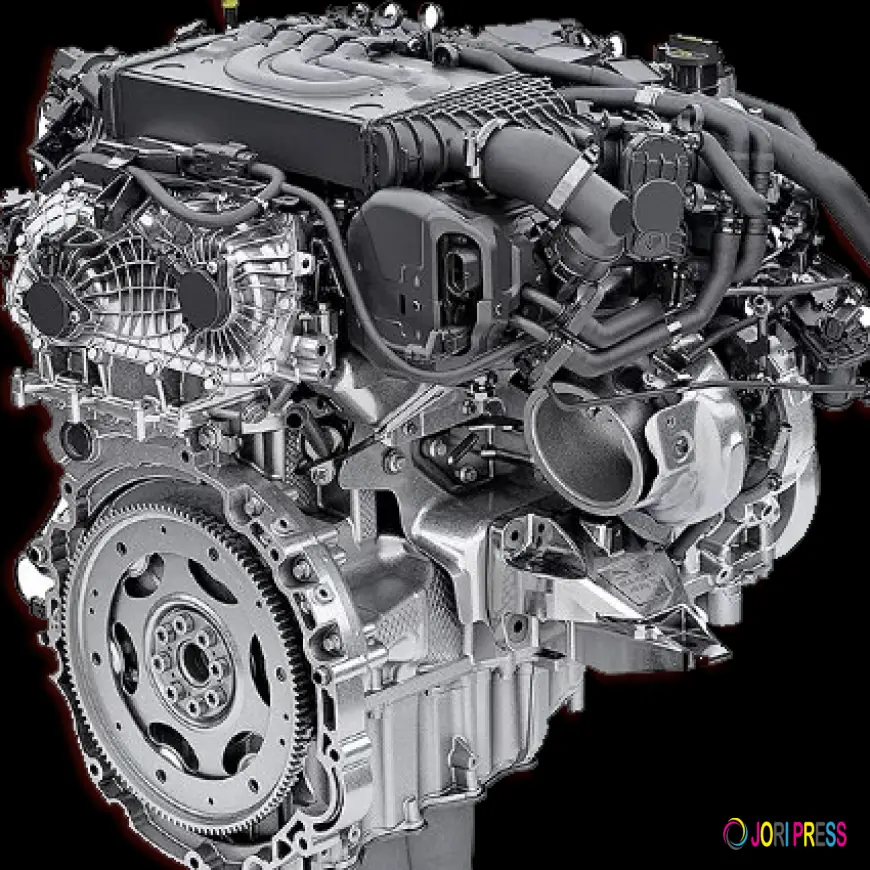
What Does Engine Reconditioning Actually Involve?
Engine reconditioning involves inspecting an existing engine, identifying worn or damaged components, and restoring suitable parts to a serviceable condition. Depending on the extent of the damage, the process may include machining, cleaning, replacing internal components, and checking important tolerances. This differs from simply repairing one faulty part because technicians assess the engine more broadly. For motorists comparing Engine Solutions, reconditioning can provide an alternative to purchasing a complete replacement unit. However, the result depends on the original engine's condition, the quality of the work, and whether the remaining components can continue to perform reliably.
Which Engine Problems May Be Suitable for Reconditioning?
Some engines develop problems that skilled technicians can address through careful rebuilding, while others suffer damage that makes restoration impractical. Worn bearings, damaged seals, certain cylinder-head problems, and excessive internal wear may require different levels of attention. A professional assessment helps establish which components can be restored and which need replacement. When researching Engine Solutions, owners should request a clear explanation of the damage and the proposed repair process. They should also ask whether the workshop has identified any underlying problem that could cause the same failure again after the reconditioned engine returns to service.
Why Should an Engine Receive a Detailed Inspection First?
A detailed inspection provides the information needed to decide whether reconditioning makes technical and financial sense. Technicians may examine compression, lubrication concerns, internal wear, coolant contamination, and visible damage before recommending further work. They may need to dismantle the engine to assess components that cannot be inspected externally. This evidence helps customers compare Engine Solutions without relying on assumptions about the source of the fault. A responsible workshop should explain its findings, identify any uncertainties, and provide an estimate based on the work it expects to complete. The final cost may change if dismantling reveals previously hidden damage.
Can Reconditioning Reduce Unnecessary Waste?
Restoring an existing engine can keep some usable components in service instead of replacing the complete unit. This approach may reduce the quantity of material discarded, depending on how much of the original engine remains suitable for reuse. It may also limit the need to transport a complete replacement from another location. However, the environmental benefits depend on the amount of new parts, energy, machining, and transportation required. When comparing Engine Solutions, drivers can ask the workshop which original components can be retained and which must be replaced. A careful assessment helps balance environmental considerations with mechanical reliability and overall cost.
How Important Are the Replacement Components?
The quality and suitability of replacement components can significantly influence a rebuilt engine's performance. Bearings, seals, pistons, gaskets, and other parts must meet the requirements of the particular engine design. Technicians should follow appropriate specifications and examine related surfaces before fitting new components. A cheap part may not offer good value if it wears prematurely or creates further mechanical problems. For people evaluating Engine Solutions, it is useful to ask which components the quotation includes and whether the workshop can explain their specifications. Clear documentation also helps future technicians understand what work the engine has received.
Does Reconditioning Suit Every Vehicle?
Reconditioning may suit some vehicles particularly well, but it does not automatically provide the best result in every case. The decision depends on the extent of the damage, availability of components, workshop capabilities, vehicle age, and value of the car. Certain engines may need specialist machining or hard-to-find parts that increase the total expense. Drivers should also consider the condition of the transmission, bodywork, suspension, and electronics. Comparing Engine Solutions against the vehicle's overall condition helps owners avoid spending heavily on an engine when other major problems could make continued ownership impractical.
What Questions Should You Ask the Workshop?
Before authorising reconditioning, motorists should ask what the process includes, which components require replacement, and how the workshop will verify the finished engine. It is also sensible to clarify labour charges, the expected schedule, parts availability, and any circumstances that could increase the quotation. A reputable provider should explain the difference between necessary work and optional recommendations. When comparing Engine Solutions, owners should ask how the workshop handles additional damage discovered after dismantling and whether it will obtain approval before charging for extra work. Clear communication reduces uncertainty and helps both parties establish realistic expectations.
How Should You Compare the Long-Term Costs?
The cheapest initial quotation does not necessarily represent the most economical decision. Drivers should compare the complete cost of reconditioning with a suitable replacement engine, including labour, parts, transportation, fluids, and possible additional repairs. They should also consider warranty terms, expected downtime, and the likely condition of the finished unit. These details provide a more realistic comparison than the advertised price alone. Choosing between Engine Solutions becomes easier when motorists understand what each option delivers for the money. A detailed written estimate can reveal differences that are not obvious during an initial conversation with a supplier or workshop.
What Testing Should Take Place After Reconditioning?
The workshop should verify that the completed engine meets appropriate operating requirements before returning the vehicle to its owner. Depending on the engine and work undertaken, checks may include oil pressure, compression, leaks, cooling performance, diagnostic results, and general running behaviour. Technicians should also confirm that related systems operate correctly after installation. When reviewing BMW engines, customers should ask which tests the workshop performs and whether it provides documentation of the completed work. Proper verification can identify problems before normal driving resumes, although it cannot eliminate every future mechanical risk or replace regular maintenance.
How Can You Protect a Reconditioned Engine?
A reconditioned engine still requires proper servicing and responsible use. Owners should follow the workshop's instructions, use the correct fluids, monitor warning lights, and attend to unusual sounds or fluid loss promptly. If the technician recommends particular running-in procedures or an early service, the driver should follow that guidance rather than assume every engine requires the same treatment. Keeping invoices and records creates a useful maintenance history for future work. By combining suitable Engine Solutions with consistent aftercare, UK motorists can support dependable operation and make a more informed investment in extending their vehicle's useful life.
What's Your Reaction?
 Like
0
Like
0
 Dislike
0
Dislike
0
 Love
0
Love
0
 Funny
0
Funny
0
 Angry
0
Angry
0
 Sad
0
Sad
0
 Wow
0
Wow
0