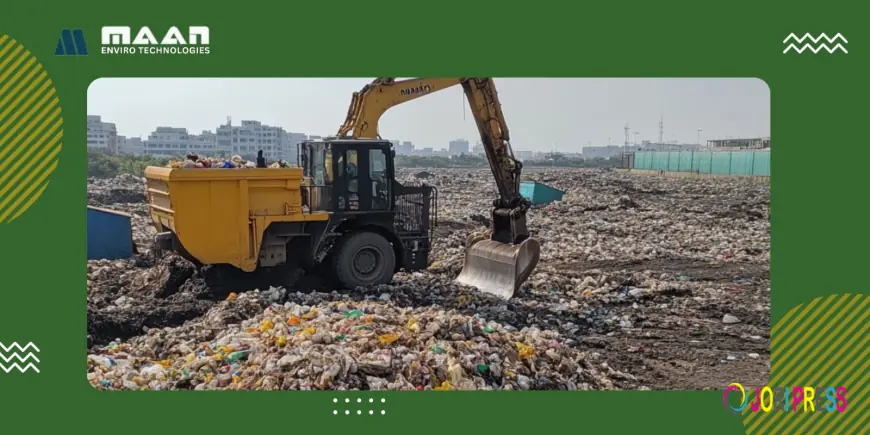

































Legacy waste has become a major challenge for many cities where waste has been stored in landfills for years. These old waste dumps take up large areas of land and can create environmental concerns if not managed properly.
Biomining of legacy waste is a scientific process used to treat and recover materials from old landfill waste. In this process, waste is excavated, screened, separated, and processed using different types of equipment to recover recyclable materials, soil-like material, and other useful resources.
Modern biomining plants use equipment such as trommel screens, conveyors, shredders, and segregation systems to separate different waste components. Recovered materials can be reused, recycled, or processed further, while reducing the amount of waste sent back to landfills.
The process of legacy waste management helps cities reclaim landfill areas and move towards better waste management practices. It also supports resource recovery by finding value in waste that has been stored for many years.
Successful biomining projects require proper planning, suitable equipment, and efficient waste processing methods. With the right approach, old waste dumps can be transformed into cleaner spaces while supporting sustainable waste management goals.
Companies like Maan Enviro Technologies provide biomining and legacy waste management solutions with waste processing equipment such as trommel screens, conveyors, and segregation systems to support efficient waste recovery projects.