





























Bauer Bodoni: How to Plan a Corporate Event That Actually Makes an Impact
Learn how to plan a successful corporate event with Bauer Bodoni, from defining your goals and audience to choosing the right format, branding, technology, marketing, networking, and post-event follow-up.
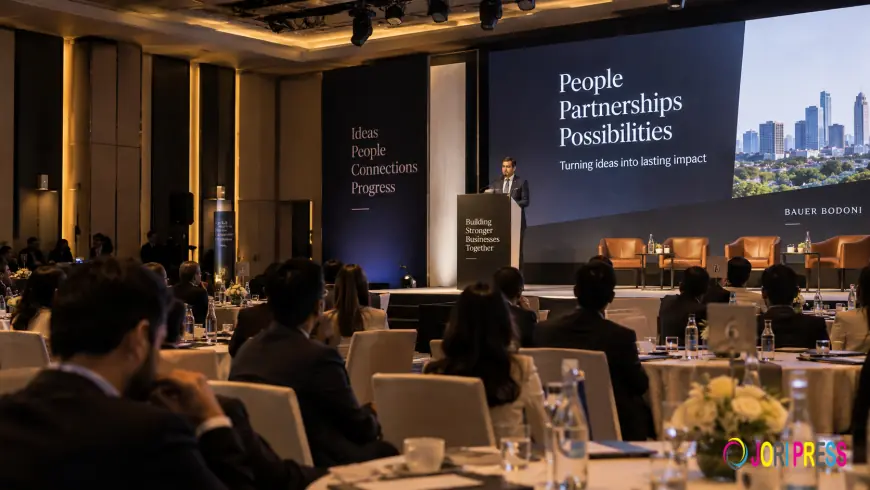
A corporate event is more than a date on the calendar. Bauer Bodoni approaches events as an opportunity for businesses to bring people together, share ideas, strengthen relationships, launch something new, or create a lasting impression around the brand. The venue, stage, food, speakers, branding, guest experience, and schedule all matter, but a successful event starts much earlier with one important question: what should this event achieve?
Bauerbodoni.com
Once the main objective is clear, decisions about the format, audience, venue, programme, branding, and overall experience become much easier to make.
Start With the Purpose of the Event
The first step in planning a corporate event is understanding why it is happening in the first place. A company may want to bring its team together, introduce a new product, meet customers, build industry connections, recognise employees, or strengthen relationships with business partners.
Each goal needs a different approach. A leadership retreat should create a different experience from a product launch, while a trade show, award night, conference, or annual gala will have its own requirements. When the objective is clear, decisions about the venue, format, audience, speakers, content, schedule, and guest experience become easier to make.
Every part of the event should support the reason it exists. Bauer Bodoni's Corporate Event Planning service follows an objective-first approach, beginning with the business goal before moving into event details.
Know Who Is Coming
A good event is designed around its guests. It is easy to become focused on logistics, vendors, budgets, and timelines while overlooking the people who will actually experience the event.
Start by understanding who is attending and what they expect. Guests could include employees, customers, business partners, potential buyers, industry professionals, investors, or senior leaders. Their needs should influence the format and overall experience.
For example, senior leaders may value privacy and focused conversations, while a conference audience may expect useful sessions and networking opportunities. Guests attending a product launch may respond better to demonstrations, visual storytelling, and a sense of anticipation.
The event should feel designed for the people in the room rather than copied from another company's event.
Choose the Right Format
Not every corporate event needs a huge guest list, a large stage, or elaborate production. In some cases, a smaller and more focused gathering can create stronger conversations and better relationships.
Depending on the objective, a business may consider conferences, leadership retreats, product launches, exhibitions, trade shows, award nights, annual galas, or team engagement events. The size of the event is only one part of the decision. Think about what you want guests to do. Do they need to learn, listen, discuss, network, celebrate, or participate?
The format should support that purpose rather than becoming the focus itself.
Make the Event Feel Like Your Brand
Your brand should not disappear when guests walk into the venue. The event should feel connected to the wider business and reflect the same identity people experience through the website, social media, advertising, and other communication.
Your colours, typography, graphics, imagery, messaging, and overall tone can be carried across invitations, signage, presentations, stage screens, and other event materials. At the same time, the guest experience should feel consistent with how the business wants to be perceived.
This is where branding and events begin to overlap. A Bauer Bodoni branding agency approach can help connect positioning, messaging, and visual identity across digital and physical touchpoints. The objective is not to place a logo everywhere, but to create an environment that naturally feels like the brand.
Build a Clear Event Story
A good event should have a clear flow from the moment guests arrive until they leave. People should understand what is happening, where they need to go, and why each part of the programme matters.
Think through the complete experience, including registration, welcome, information, sessions, breaks, networking, and the main moment of the event. This becomes especially important for conferences and product launches, where too many disconnected sessions can make the day feel long and tiring.
A well-paced programme gives each part of the event a purpose and helps maintain engagement. Bauer Bodoni's event approach includes storytelling and carefully paced programming so that different parts of the experience support the larger event objective.
Do Not Underestimate the Small Details
Guests may remember a keynote speaker or major presentation, but they may also remember a long registration queue, confusing signage, technical problems, or not knowing what to do next.
Good event planning takes care of these details before guests notice them. Registration should be organised, schedules should be clear, technology should be tested, and staff should understand their responsibilities. Vendors and speakers should know their timelines, while contingency plans should be ready for unexpected problems.
These details may seem minor during planning, but together they can have a major effect on how smoothly the event feels.
Make Technology Work for the Audience
Technology should support the event rather than become the event. Screens, microphones, lighting, registration systems, event apps, presentations, and live streaming can improve communication and convenience when they have a clear purpose.
Before adding another technical element, ask whether it makes the experience easier, helps guests stay informed, or supports the event objective. A complicated system is not automatically better.
Often, the best technology is the technology guests barely notice because it works smoothly in the background.
Make Networking Easier
For many corporate events, networking is one of the main reasons people attend. Simply bringing a large group into one room, however, does not automatically create useful conversations.
The environment needs to support interaction. Give people enough time between sessions, create comfortable networking areas, and make it easy to move around. Depending on the event, guided introductions or planned meetings can also help connect the right people.
For conferences and exhibitions, balancing learning with informal conversation can make the overall experience more valuable.
Use Design to Guide Attention
Design has a practical role beyond making an event look attractive. Guests should be able to understand where to go, what information matters, and what they should focus on without unnecessary effort.
Signage should be easy to read, presentations should remain clear, and stage graphics should support rather than compete with speakers. Event materials should use a consistent visual language, while photography and video should be planned so important moments are captured.
A Bauer Bodoni design agency approach can carry the same visual thinking used in digital campaigns into physical spaces, helping event materials and brand assets work together as one system.
Connect the Event With Your Marketing
A corporate event does not have to exist separately from your marketing. It can become part of a larger campaign before, during, and after the event.
Before the event, social media and email can create awareness and interest. During the event, photographs, short videos, interviews, and live updates can extend the experience to people who are not physically present. Afterward, those same materials can become social posts, videos, articles, presentations, and other useful content.
A product launch may also connect with paid advertising, search campaigns, influencer activity, landing pages, and email marketing. A Bauer Bodoni marketing agency can bring event activity into the wider marketing plan rather than treating the event as a one-day project.
Think About What Happens After the Event
The end of an event is not necessarily the end of the opportunity. Follow-up is particularly important when the event is designed around lead generation, relationship building, or business development.
After the event, follow up with attendees, share useful resources, send highlights, thank speakers and partners, contact relevant leads, and review the feedback you received. The next steps should connect back to the original objective.
If the goal was lead generation, review the opportunities created. If it was employee engagement, gather feedback from the team. If it was a product launch, examine the response and activity that followed.
Choosing a Corporate Event Partner
Managing a corporate event can involve venue selection, vendors, production, technology, design, guest management, speakers, schedules, branding, and contingency planning. All of these elements need to work together.
The right partner should understand the business goal rather than simply managing an event checklist. For businesses researching Bauer Bodoni Faridabad, Bauer Bodoni is based in Faridabad and positions itself as a multidisciplinary agency covering corporate events, strategic consulting, marketing, creative, websites, and reputation management.
This wider mix can be useful when an event needs to connect with the company's brand and marketing activity rather than operate as a separate project.
A Simple Corporate Event Checklist
Before the event, make sure the objective is clear, the right people are attending, and the format supports the experience you want to create. Check that the event feels connected to the brand, the schedule is easy to follow, and the technical and operational details are properly planned.
Also decide how the event will connect with marketing and what will happen after guests leave. Having these answers in place can turn a long list of event tasks into a much more focused plan.
Frequently Asked Questions
What makes a corporate event successful?
A successful corporate event should have a clear objective, the right audience, a well-planned experience, smooth execution, and a connection to the wider business goal.
How important is branding at a corporate event?
Branding helps connect the event with the company's wider identity. It can appear through visuals, messaging, stage design, signage, presentations, guest materials, and the overall experience.
Should every corporate event be large?
No. The right size depends on the objective and audience. A smaller event can work very well when the goal is focused discussion, networking, or leadership engagement.
How can an event support marketing?
An event can create content, strengthen relationships, introduce a product, generate conversations, support brand awareness, and provide material for social media and other marketing channels.
What should happen after a corporate event?
Businesses should review feedback, follow up with relevant attendees, share useful content, assess results, and connect the event outcomes back to the original objective.
Final Thoughts
A great corporate event is not simply one where everything runs on time. It is one where the different parts of the experience support the same purpose.
The venue should support the experience, the design should support the brand, the programme should support the objective, the technology should support the audience, and the marketing should support what happens before and after the event.
When these pieces work together, an event can become much more than a gathering. It can bring people together, strengthen relationships, create useful business opportunities, generate content, and leave people with a clearer understanding of the brand.
That is the real value of good event planning. It is not just about making the day look good. It is about making the day matter.
What's Your Reaction?
 Like
0
Like
0
 Dislike
0
Dislike
0
 Love
0
Love
0
 Funny
0
Funny
0
 Angry
0
Angry
0
 Sad
0
Sad
0
 Wow
0
Wow
0