





































Protect Your Basement With Professional Floor Coating
Give your basement concrete a durable finish with professional polyurea floor coating from Fortress Floor Coatings Pennsylvania. Explore your coating options today.
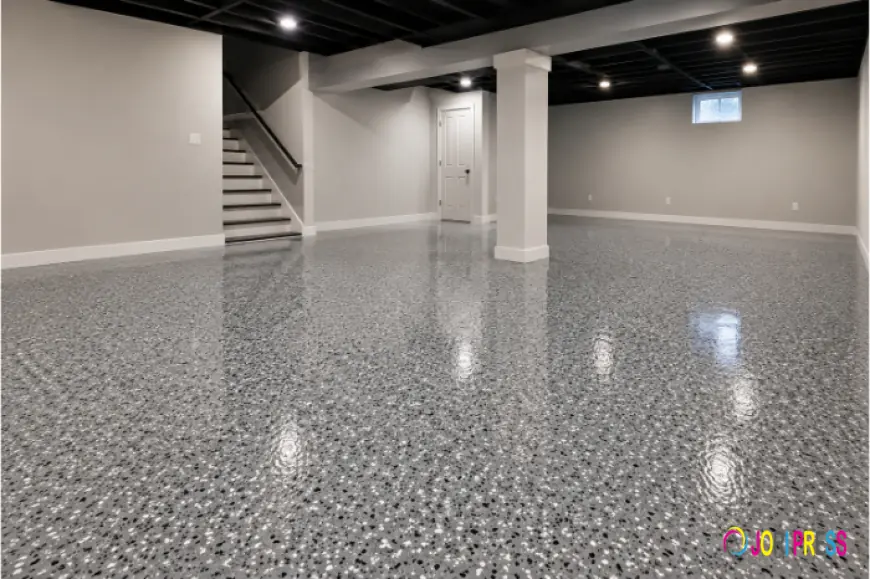
Walk down into most basements and you'll find the same thing: gray concrete that's always a little dusty, no matter how often you sweep it. Maybe there's an old stain near the water heater that's been there since before you moved in. Maybe the floor just looks unfinished next to everything else in the house. A basement floor coating won't fix a bad foundation, but for concrete that's structurally fine and just rough looking, it's usually the easiest upgrade available.
Why Pennsylvania Homeowners Consider Basement Floor Coating
Pennsylvania basements go through a lot over the course of a year. Humidity climbs in the summer, temperatures drop hard in the winter, and a lot of older homes have concrete that was poured decades ago without any real sealing. That kind of surface soaks up dust, holds onto oil stains, and scuffs easily.
Most people don't think about their basement floor until it starts bothering them daily. Maybe it's hard to keep clean no matter what they try. Maybe small cracks or pitted spots have started showing up. Either way, a coating deals with the actual surface instead of just hiding the problem under a rug or a coat of paint that'll peel in a year.
What Is a Basement Floor Coating?
Painting a basement floor and coating it are two different things, even though people sometimes use the words interchangeably. Paint sits on top of concrete without really bonding to it, and in a basement, where moisture and temperature shift constantly, that paint usually starts chipping or peeling within a year or two.
A basement floor coating is different because it bonds directly into the surface of the concrete. Fortress Floor Coatings Pennsylvania uses a polyurea-based system rather than epoxy. A lot of homeowners come to us after searching things like basement epoxy flooring or epoxy basement floor coating, since epoxy is the name most people know. Polyurea is a different material, though, and it cures faster and handles the conditions in a typical Pennsylvania basement more reliably than epoxy does.
Why Polyurea Works Well for Basement Concrete
One of the biggest advantages of polyurea is how fast it cures, often within a single day. That matters more in a basement than it would upstairs, since cooler temps and higher humidity can slow other coatings down or mess with how they set.
Once it's cured, the coating resists moisture better than raw concrete does, which helps with the general dampness a lot of basements deal with. It's not waterproofing, and it won't stop water that's actively coming through a wall or floor crack. What it does do is keep day-to-day moisture and spills from soaking into the concrete itself, and it makes cleanup a lot simpler since dust and dirt just sit on the surface instead of working their way in.
It also holds up well to regular foot traffic, whether the basement is used for storage, a workout space, or a finished family room. We'd rather be upfront about what it can't do than oversell it. A coating protects and improves the floor you already have. It doesn't replace drainage work or fix a moisture problem that needs a different solution entirely.
What Makes a Basement Floor Coating Last?
Here's the part most homeowners don't think about: the coating itself is only half the job. Prep work is what actually determines whether it holds up. Before anything gets applied, the concrete needs to be ground down mechanically so it has enough texture for the coating to grip. Skip this step, or rush it, and you're looking at a floor that might peel or bubble within a year.
Cracks and pitted areas need attention too, before the coating ever goes down. A crew that skips prep can still make a floor look decent for the first few months. Then a humid summer or a hard freeze hits, and that's usually when the shortcuts start showing. Prep isn't the exciting part of the job, but it's the difference between a floor that lasts and one that doesn't.
What a Professional Basement Floor Coating Installation Looks Like
The process starts with a walk-through of the existing concrete, checking for cracks, moisture, and general condition. From there, the crew grinds the surface to remove old sealers and open up the concrete so the new system has something to bond to.
Once that's done and the floor is clean, the polyurea basecoat goes on first. If you've picked a decorative style, vinyl flakes get broadcast into the basecoat while it's still wet, which gives the floor texture and color variation instead of one flat color. A polyaspartic topcoat goes over everything after that, adding scratch resistance and the final finish. The whole system needs time to cure before it sees regular foot traffic, and a good contractor will tell you exactly how long that'll take for your specific job rather than giving you a generic answer.
Is Basement Floor Coating Right for Your Pennsylvania Home?
It depends a lot on how you use the space. A finished basement that doubles as a living room has different priorities than a workshop or a storage area, even though a coating can work well for either one. The condition of your concrete matters too. Minor cracks and rough spots can usually get handled during prep, but if there's a structural issue, that has to be addressed separately first.
If your basement has a history of water problems, be honest with yourself about that going in. A coating can still be part of the fix, but it works best paired with proper drainage rather than standing in for it. Beyond that, it comes down to what look you want and how much upkeep you're willing to deal with down the road.
Choosing a Basement Floor Coating Company
Not every contractor handles basements the same way, so it's worth asking a few direct questions before you sign anything. What coating system do they actually use, polyurea, epoxy, or something else? How do they prep the concrete, and does that include mechanical grinding, or are they just cleaning the surface? What's included in the system from start to finish? How long does the job usually take, and what areas do they cover?
It's also fair to ask what you should do on your end before installation, like clearing the space or handling humidity beforehand. If a contractor gives you straight answers instead of vague marketing talk, that tells you something.
Basement Floor Coating in Pennsylvania
Fortress Floor Coatings Pennsylvania installs polyurea basement floor coating systems for homeowners throughout the state, and the process stays consistent no matter where the job is: proper grinding, a bonded polyurea system, and a topcoat that can handle daily wear. That matters whether you're in an older home with original concrete or a newer build with a basement that was never finished out. Homeowners searching for basement floor coating near me are usually looking for someone who actually understands Pennsylvania's humidity and temperature swings, not a national franchise running the same playbook everywhere.
Frequently Asked Questions
How long does a basement floor coating last?
A properly installed polyurea system can hold up for many years under normal use. How long exactly depends on foot traffic, moisture exposure, and how well the concrete was prepped before installation.
Is polyurea suitable for basement concrete?
Yes, and in a lot of ways it's a better fit than the alternatives. It cures faster and tolerates the cooler, damper conditions in most basements better than other coating types tend to.
Can basement floor coating help with moisture-related concerns?
It helps with surface moisture and makes cleanup easier after minor dampness, but it won't stop active water infiltration. That's a separate issue that needs its own fix.
How long does basement floor coating installation take?
Most jobs run one to two days depending on the size of the basement and the condition of the concrete underneath, plus additional curing time before it's ready for regular use.
Is polyurea better than painting a basement concrete floor?
Paint sits on top of the concrete without bonding to it, so it tends to peel fast in a basement. Polyurea bonds directly into the prepped surface, which is why it holds up so much longer.
What's Your Reaction?
 Like
0
Like
0
 Dislike
0
Dislike
0
 Love
0
Love
0
 Funny
0
Funny
0
 Angry
0
Angry
0
 Sad
0
Sad
0
 Wow
0
Wow
0