









































At-Home LED Facial Devices: Features to Consider Before Buying
Shopping for an at-home LED facial device? Learn which wavelengths, light settings, coverage, comfort, safety features, and specifications matter.

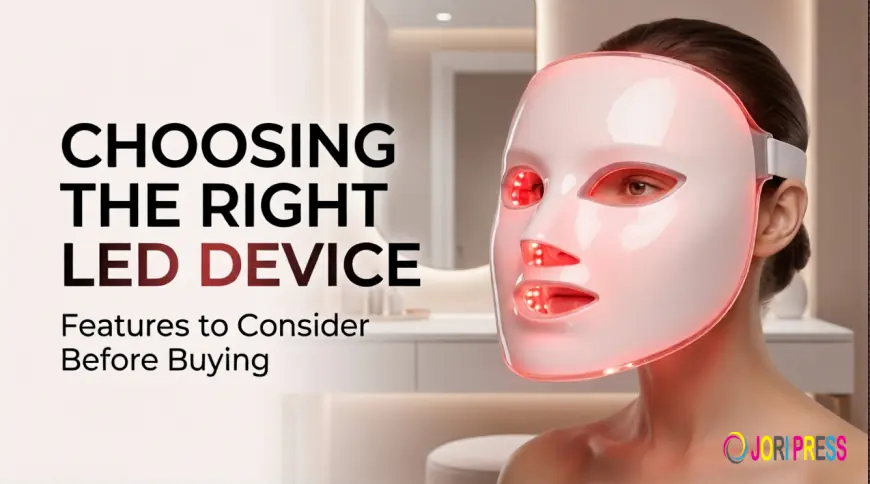
At-home LED facial devices have become a popular addition to modern skincare routines. From wearable LED masks to handheld light therapy tools, these devices offer a convenient way to explore light-based skincare without scheduling regular professional treatments.
However, not every LED device offers the same features, treatment options, or level of supporting research. Before purchasing one, it helps to understand what the specifications mean and which features are worth comparing.
Here are seven important factors to consider when choosing an at-home LED facial device.
1. Understand the Different Light Wavelengths
One of the first things to check is the type of light the device uses. Different wavelengths are associated with different skincare applications.
-
Red light: Commonly studied for skin appearance, including fine lines, texture, and signs of skin aging.
-
Near-infrared light: Often paired with red light in photobiomodulation devices. It uses wavelengths beyond visible red light and can reach deeper tissue.
-
Blue light: Commonly used in devices designed for acne-prone skin. Research has explored its role in targeting acne-associated bacteria.
-
Combination light settings: Some devices offer multiple wavelengths or modes, allowing users to select settings based on their skincare goals.
Look for a device that clearly lists its wavelengths rather than relying on broad marketing terms such as “advanced light technology.” The right choice depends on your intended use, and more colours do not automatically mean better results.
2. Check the Device's Wavelength Specifications
A product listing should provide specific wavelength measurements in nanometres (nm). This information helps you understand what type of light the device delivers.
For example, red LED devices commonly use wavelengths around 630–660 nm, while blue LED devices often operate around 415–445 nm. Near-infrared options may use wavelengths around 830–850 nm.
These ranges appear in published research, but wavelength alone does not determine how well a device performs. Light intensity, treatment duration, distance from the skin, and consistency also matter.
Be cautious if a manufacturer does not disclose meaningful technical specifications or explain the intended use of each setting.
3. Evaluate Facial Coverage and Device Design
The design affects how conveniently you can use a device and whether it suits your routine.
LED face masks are designed to cover larger areas of the face, making them suitable for people who prefer hands-free sessions. Check whether the device provides coverage around the forehead, cheeks, chin, and other areas you want to treat.
Handheld LED devices offer more control over specific areas but may require more time because you need to move the device manually.
Also consider:
-
Whether the device fits comfortably.
-
How easily it can be positioned.
-
Whether it is lightweight enough for regular use.
-
Whether the material is easy to clean.
-
Whether the design allows light to reach the intended treatment areas.
A comfortable design can make it easier to follow the recommended routine consistently.
4. Look at Treatment Time and Ease of Use
A device may have impressive specifications, but a complicated routine can make it difficult to use regularly.
Check the recommended session duration, treatment frequency, and controls before buying. Some devices include preset programmes or automatic shut-off timers, which can make sessions simpler.
Avoid assuming that longer sessions or more frequent use will produce faster results. Follow the manufacturer's instructions because treatment protocols vary between devices.
If you are new to LED skincare, a straightforward device with clear instructions may be more practical than one with numerous settings you do not understand.
5. Prioritise Eye Protection and Safety Features
Safety should be a major part of your buying decision, particularly with devices that emit light near the eyes.
Check whether the device includes built-in eye protection or specifies the need for protective eyewear. Follow the instructions about eye positioning and never look directly into LEDs unless the manufacturer explicitly states that it is safe.
Also look for:
-
Clear usage and cleaning instructions.
-
Information about contraindications and precautions.
-
Reliable construction and a clear warranty.
-
Customer support and accessible product documentation.
People with light sensitivity, certain eye conditions, or medications that increase sensitivity to light should consult a healthcare professional before use. If you have a skin condition or are unsure whether LED treatment is appropriate, seek advice from a dermatologist.
6. Verify Product Claims and Regulatory Information
Marketing language can make LED devices sound more powerful than the available evidence supports. Be careful with claims promising instant wrinkle removal, permanent acne clearance, or guaranteed skin transformation.
Look for transparent product information, published research relevant to the device or its technology, and clearly stated intended uses.
If a product is marketed as FDA-cleared in the United States, check the specific device and its intended use. FDA clearance is not the same as FDA approval, and clearance does not guarantee that a device will deliver every cosmetic result mentioned in its marketing.
Independent research is also important. A study involving a professional clinic device may not produce identical results with a lower-powered home-use model.
7. Compare Warranty, Build Quality, and Overall Value
Price should not be the only deciding factor. A lower-cost device may lack important information or after-sales support, while a more expensive model is not automatically more effective.
Before purchasing, compare:
-
Warranty duration and coverage.
-
Expected product lifespan.
-
Charging method and battery life.
-
Availability of replacement parts, if applicable.
-
Return policy and customer support.
-
Clarity of the user manual.
Choose a device that offers a sensible balance of specifications, safety information, comfort, and long-term usability.
Frequently Asked Questions
Are at-home LED facial devices worth buying?
They may be worth considering if you want a convenient addition to your skincare routine and understand their limitations. Research suggests potential benefits for certain skin concerns, but results vary by device, treatment protocol, and individual.
Is red light or blue light better for the face?
Neither is universally better. Red light is commonly studied for skin aging and appearance, while blue light is generally associated with acne-focused applications. Choose according to your skincare goals and the device's intended use.
How often should you use an LED face mask?
There is no single schedule for every device. Treatment duration and frequency depend on its design and specifications. Always follow the manufacturer's instructions rather than increasing usage in an attempt to speed up results.
Can an LED facial device replace a regular skincare routine?
No. LED devices should be viewed as a possible addition to basic skincare, not a replacement for cleansing, moisturising, sun protection, or professional care when needed.
Final Thoughts
Choosing an at-home LED facial device involves more than comparing prices or counting the number of light settings. Wavelength transparency, facial coverage, comfort, treatment instructions, eye protection, and credible product information all deserve attention.
Take time to compare these features and select a device that suits your skincare goals and daily routine. A well-informed purchase, combined with realistic expectations and consistent use according to the instructions, is a better approach than choosing a product based on bold marketing promises alone.
When comparing options, explore brands that specialise in at-home beauty technology and provide clear product information. Pure Daily Care offers a range of at-home LED skincare devices for people interested in incorporating light-based skincare technology into their routines. Compare each device's specifications, recommended usage, and features before deciding which option suits your needs.
What's Your Reaction?
 Like
0
 Dislike
0
 Love
0
 Funny
0
 Angry
0
 Sad
0
 Wow
0