









































Nasya Therapy in Ayurveda: Benefits, Procedure and Uses
Nasya Therapy in Ayurveda helps support nasal health and wellness. Explore its potential benefits, procedure, uses, and precautions before starting treatment.
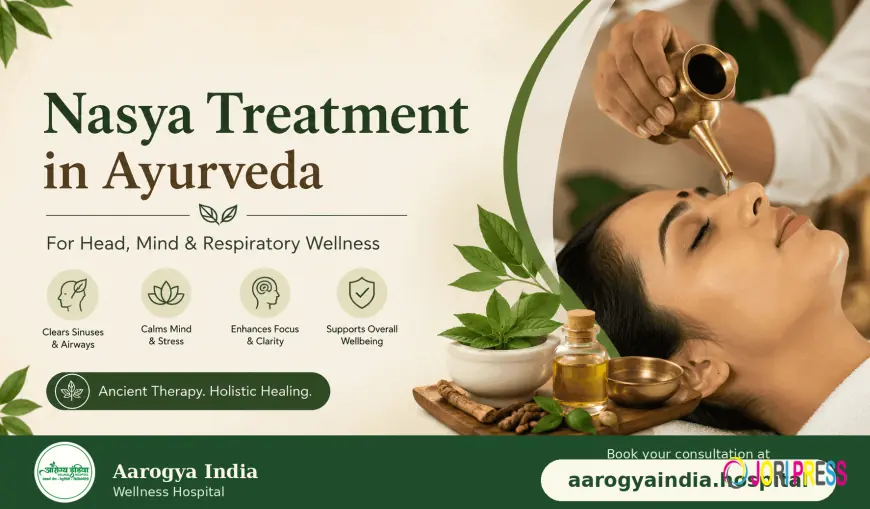
Nasya Therapy is a gentle answer to a very common problem. You wake up with a blocked nose. Your head feels heavy and your eyes are tired. The dust and smoke of daily life make it worse. Many of us reach for a nasal spray, but the relief rarely lasts. This is where Ayurvedic nasal therapy comes in. It has been used for centuries to care for the nose, head and sinuses. In this blog, we keep things simple. You will learn what nasya is, its key benefits, the step-by-step procedure, the types of oils used, and the safety rules to follow.
1. What Is Nasya and Why Does Ayurveda Value It?
Nasya is one of the five cleansing actions in Panchakarma therapy. Ayurveda calls the nose the doorway to the head. The idea is simple. Whatever is placed in the nose reaches the head and neck region. That is why nasya focuses on the sinuses, throat, eyes, ears and mind. Nasya Therapy involves putting medicated oil, ghee or herbal powder into the nostrils. It is done with proper guidance. The goal is to clear built-up Kapha from the head area. It also keeps the nasal passage soft and moist. Classical texts like the Charaka Samhita and Ashtanga Hridaya describe it in detail. These are time-tested references, not passing trends. Today, many people use it for daily nose care, not only during illness. Dry air, pollution and long screen hours all take a toll. A steady routine can help your nose cope better.
Nasya in Simple Words
-
It is a nasal cleansing and nourishing practice.
-
It uses oils, ghee or herbal preparations.
-
It targets the head and neck region.
Its Place in Panchakarma
-
It is the fifth and final action of classical detox.
-
It can also be done on its own as a routine.
-
The right method depends on your body type and condition.
2. Key Benefits of Ayurvedic Nasal Therapy
Many readers ask one thing first. What will I actually get from this? The honest answer is that results vary from person to person. Still, Ayurvedic practitioners often suggest nasya for several everyday concerns. It may ease nasal dryness and a blocked feeling. Many people also find it helpful for sinus heaviness and frequent sneezing. Some use it for stiff neck muscles and tension in the head. Regular practice may also support better sleep and a clearer mind. The oil lubricates the nasal lining. This can help the nose handle dust and dry weather. Ayurveda also links nasya to healthy hair, eyes and voice. Please note that it is a supportive therapy. It is not a replacement for medical treatment. If your symptoms are severe or long-lasting, see a doctor first. Then use nasya as a complement under expert advice.
Common Uses
-
Nasal dryness and mild congestion
-
Seasonal sneezing and sinus heaviness
-
Head tension and stiffness around the neck
-
Everyday nose care in polluted cities
Added Wellness Support
-
May help you feel more relaxed
-
May support healthy hair and eyes
-
May improve comfort in dry weather
3. Nasya Procedure: Step-by-Step at a Glance
The procedure is easy, but the details matter. Most practitioners follow a calm, set order. You first prepare the head and face with gentle massage. Then you apply mild steam. This softens the area and opens the passages. Next, you lie down with your head slightly tilted back. The oil is then dropped into each nostril. A practitioner usually decides the number of drops. After that, you inhale gently and rest for a few minutes. You may spit out any oil that reaches the throat. This full process is the heart of Ayurvedic nasal therapy. It should be done on an empty or light stomach. Morning is often preferred. Avoid doing it right after a meal or bath. Nasya Therapy works best when it follows the right timing, the right oil and the right guidance. Take it slow and never force the inhalation.
Steps to Follow
-
Massage the forehead, cheeks and temples gently.
-
Take mild steam on the face for a short time.
-
Lie back with the head slightly tilted.
-
Put the prescribed drops in each nostril.
-
Inhale softly and rest for a few minutes.
-
Gargle with warm water afterwards.
Helpful Tips
-
Use only clean, quality oil.
-
Keep the room warm and free of drafts.
-
Avoid cold water and wind right after.
4. Types of Nasya and Commonly Used Oils
Ayurveda does not treat every person the same way. So nasya has different types. Each type has its own purpose. Some are meant for deep cleansing. Others are meant to nourish and soothe. The choice depends on your dosha, season and health condition. This is why self-guessing is not wise. A trained Ayurvedic doctor can match the type to your need. The oil also matters. Classical formulas like Anu Taila and Shadbindu Taila are widely known. Sesame oil and cow ghee are also used in some cases. Quality plays a big role here. Impure or poorly made oil can irritate the nose. Always choose products from a trusted source. Check the ingredients and the manufacturing standards. Good oil, used the right way, makes the whole experience safer and more pleasant.
Main Types of Nasya
-
Virechana Nasya: cleansing in nature, used for excess Kapha
-
Brimhana Nasya: nourishing, used for dryness and weakness
-
Shamana Nasya: soothing, used to calm aggravated doshas
-
Pratimarsha Nasya: a mild daily practice with a small number of drops
Oils and Ghee Used
-
Anu Taila
-
Shadbindu Taila
-
Plain sesame oil
-
Cow ghee
5. Who Should Avoid It and How to Practise Safely
Natural does not mean risk-free. Nasya suits many people, but not everyone and not at every time. Ayurveda advises caution in certain situations. Avoid it during pregnancy and menstruation unless your doctor says otherwise. Skip it when you have a fever, a heavy cold or an acute infection. Do not do it after a full meal, a bath or while feeling intoxicated. Children and the elderly need extra care and expert advice. If you have nasal polyps, a recent nasal surgery or chronic sinus disease, check with a doctor first. Start with a consultation. Let the practitioner assess your body type and condition. Begin slowly and watch how your body responds. Stop if you feel burning, pain or discomfort. Nasya Therapy is safest when it is guided, gentle and consistent. Your safety always comes first.
Avoid or Postpone When
-
You are pregnant or menstruating
-
You have a fever or acute infection
-
You have just eaten or bathed
-
You have recent nasal surgery
Safety Tips
-
Consult a qualified Ayurvedic doctor.
-
Use authentic, clean products.
-
Do not copy someone else's dose.
Conclusion
Let us sum up what we learned. Nasya is a time-honoured Ayurvedic practice for the nose and head. It is part of Panchakarma therapy but can also be a simple daily habit. It may ease dryness, heaviness and everyday discomfort. The procedure is easy when you follow the right steps. The type of nasya and the oil should match your body and condition. Most importantly, safety and expert guidance matter.
If you are ready to begin, start with quality products. You cancheck out our shop collection and explore Aarogya India for authentic Ayurvedic care. Want to learn more? Do read our other blogs on Ayurveda, daily routines and natural wellness. Small steps taken today can bring lasting comfort tomorrow.
What's Your Reaction?
 Like
0
 Dislike
0
 Love
0
 Funny
0
 Angry
0
 Sad
0
 Wow
0