









































A Complete Guide to Exploring New Zealand on a Budget
Planning a trip to New Zealand on a budget? Discover the cheapest time to visit, affordable transport and accommodation options, free attractions, food-saving tips and practical ways to explore both islands without overspending. Make your New Zealand trip memorable with smart planning and budget-friendly travel ideas from Travel Junky.

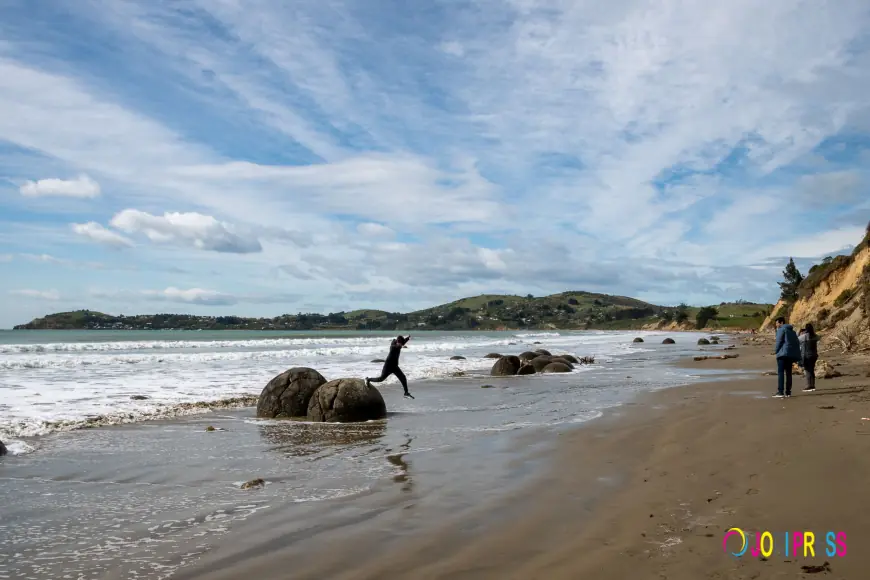
Is New Zealand expensive, or does it only feel that way next to a bungee jump price tag? Both, a little. Flights are long, fuel costs more than most Indian travellers expect, and a single guided glacier hike can cost more than a night’s hotel. Yet the country also has some of the best free scenery anywhere, a network of cheap campsites run by the Department of Conservation, and walking tracks that need nothing but boots and a rain jacket. The gap between a costly trip and a manageable one is mostly planning. Exploring New Zealand on a Budget works best when you pick a region, travel outside peak weeks and know which paid activities are worth the money.
Travel Junky is an India-based travel company that plans international and domestic trips, including routes across both islands of New Zealand. This guide sticks to the practical side: where costs pile up, and where they do not.
Quick Highlights
-
The cheapest months to travel
-
Getting around by bus, car or campervan
-
Low-cost places to sleep
-
Free and cheap walks and sights
-
Food costs, FAQs and one practical tip
When Is the Cheapest Time to Visit?
December to February is peak summer. Prices climb, campsites fill and rental vehicles get scarce. March and April, along with October and November, are the shoulder months. The weather is still decent for walking, crowds thin out and accommodation rates drop.
Winter, from June to September, is cheap in most places but not in ski towns. Queenstown and Wānaka go the other way, with rooms getting pricier once the lifts open.
How Do You Get Around Without Overspending?
Distances are bigger than they look on a map. Pick a route and stay with it.
-
Rental car: driving is on the left, the same as in India, which removes one stress. Fuel is a major cost, so avoid zigzag routes.
-
Campervan: covers transport and bed in one fee, but many areas allow overnight parking only for certified self-contained vehicles. Fines for ignoring this are real.
-
Buses: InterCity covers the main towns, though remote trailheads usually need a shuttle or your own wheels.
-
Cook Strait ferry: Wellington to Picton takes about three and a half hours, run by Interislander and Bluebridge. Book ahead, since sailings fill up during holidays.
Domestic flights between Auckland and Queenstown can be cheaper than a long drive if you book well in advance.
Where Can You Sleep for Less?
Accommodation is the first place to save. Options, roughly from cheapest:
-
DOC campsites: run by the Department of Conservation, with basic facilities at many scenic spots
-
Holiday parks: campsites with kitchens and shared bathrooms, plus cabins at higher rates
-
Backpacker hostels: dorms and private rooms, usually with a shared kitchen
-
Motels: cost more, though they work for families splitting one room
Cooking for yourself in a shared kitchen saves more than the bed ever does.
Which Free or Cheap Activities Are Worth Doing?
Many of the headline sights cost nothing to enter.
-
Hooker Valley Track: in Aoraki Mount Cook National Park, about 10 km return and roughly three hours. It crosses swing bridges to a glacial lake.
-
Roys Peak Track: near Wānaka, around 16 km return. It is steep and takes most of a day, but it is free.
-
Tongariro Alpine Crossing: 19.4 km in the central North Island. The walk is free, but a shuttle from the end point to the start costs extra, so factor that in.
-
Kerosene Creek: a free natural hot stream near Rotorua, which beats paying for a commercial pool.
-
Te Papa: the national museum in Wellington, with free general entry.
-
Milford Road: the 119 km drive from Te Anau to Milford Sound passes the Mirror Lakes and The Chasm, both short stops with no fee.
Budget Travel Tips for New Zealand usually come down to spending on one or two big activities and filling the rest of the days with walks like these.
How Do You Keep Food Costs Down?
Supermarkets are the answer. Pak’nSave tends to be the cheapest chain, with New World and Woolworths close behind. Buy breakfast and lunch supplies, then eat dinner out once or twice a week. Bakeries sell savoury pies that work as a filling lunch, and fish and chips shops are common even in small towns. Restaurant mains in tourist areas like Queenstown cost noticeably more.
Is a Package Cheaper Than Planning It Yourself?
It depends on how much time you have. A fixed New Zealand tour package can make sense when you want transport, stays and key activities settled in advance, particularly for groups or first-time visitors. Independent travel gives more room to trim costs but takes more planning and booking effort. Compare the inclusions line by line rather than the headline price.
FAQs
Do Indian passport holders need a visa for New Zealand?
Yes. Indian citizens apply for a visitor visa before travel. Check processing times early.
How many days are enough on a budget?
Ten to twelve days covers a focused route on one island. Trying both islands in under a week means more money on transport.
Is it cheaper to rent a campervan or a car?
A campervan saves on beds, though rental rates and fuel are higher. A car with budget stays can work out similar for two travellers.
Can you visit Milford Sound cheaply?
The drive is free, but a cruise on the sound costs extra. Choose a daytime sailing and book ahead.
Pro Tip
Book the one expensive thing you actually want, like the Milford Sound cruise, first. Then fit your budget around it. Leaving it until late usually means higher prices or no seats.
Conclusion
New Zealand does not have to drain a travel fund. Shoulder-season dates, a tight route, self-catered meals and free walking tracks cover most of the savings. Spend where the value is clear, and exploring New Zealand on a budget turns into a workable plan rather than a compromise.
What's Your Reaction?
 Like
0
 Dislike
0
 Love
0
 Funny
0
 Angry
0
 Sad
0
 Wow
0