




































Why Choosing the Right DPF Cleaner Matters for Diesel Vehicle Maintenance

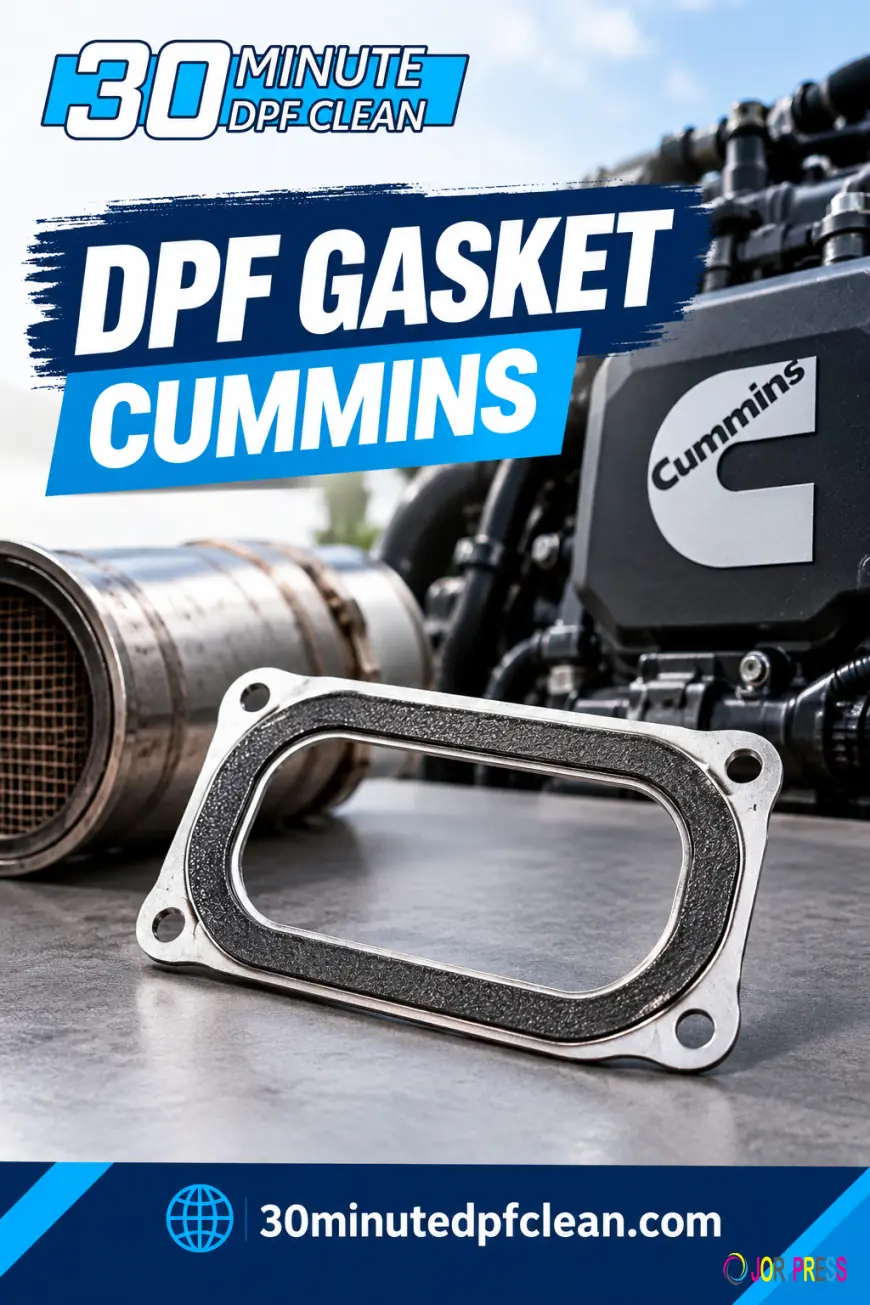
Diesel vehicles are widely used for transportation, construction, agriculture, and commercial operations because of their durability and ability to handle demanding workloads. However, maintaining a diesel engine involves more than regular oil changes and routine inspections. One important component that requires proper attention is the diesel particulate filter (DPF). This filter captures soot and other particulate matter from exhaust gases, helping reduce harmful emissions. Over time, accumulated soot and ash can restrict exhaust flow, making appropriate cleaning and maintenance essential.
Choosing the right dpf cleaner can help vehicle owners maintain filter performance, reduce the risk of recurring blockages, and support the efficient operation of diesel exhaust systems. However, not every cleaning product or method is suitable for every vehicle. Understanding the available cleaning options and recognising when professional servicing is necessary can help drivers make informed maintenance decisions.
Understanding the Role of a Diesel Particulate Filter
A diesel particulate filter is part of a vehicle's exhaust after-treatment system. Its primary function is to capture particulate matter produced during diesel combustion before exhaust gases leave the tailpipe. The filter gradually accumulates soot, which must be removed through a process called regeneration.
During regeneration, the exhaust system raises the temperature to burn off accumulated soot. Depending on the vehicle and operating conditions, this process may happen automatically while driving or require a controlled regeneration procedure.
Although regeneration can remove much of the accumulated soot, it does not eliminate all contaminants. Non-combustible ash can remain inside the filter and gradually reduce its available capacity. When ash accumulation becomes excessive or regeneration cannot complete successfully, additional cleaning or professional inspection may be necessary.
Understanding this difference helps vehicle owners select an appropriate cleaning solution instead of relying on a product that may not address the actual problem.
Why Choosing the Right DPF Cleaner Matters
Selecting an appropriate cleaning solution is important because different filters, engines, and blockage conditions require different approaches. A suitable cleaning method can help address contamination while protecting the filter's internal structure.
1. Helps Maintain Proper Exhaust Flow
A DPF that contains excessive soot or ash can restrict exhaust gases from passing through the filter. This restriction may contribute to increased exhaust backpressure and reduced engine performance.
Using an appropriate cleaning method can help restore the filter's ability to pass exhaust gases. For some vehicles, a manufacturer-approved additive or cleaning procedure may support routine maintenance. For heavily contaminated filters, professional cleaning may provide a more suitable solution.
Vehicle owners should avoid selecting products solely because they promise fast results. The product or service must be compatible with the vehicle's emissions system and the type of contamination present.
2. Supports Engine Performance
A restricted diesel particulate filter can affect engine operation, particularly when exhaust backpressure becomes excessive. Drivers may notice reduced acceleration, warning lights, increased fuel consumption, or the vehicle entering a reduced-power mode.
A properly maintained DPF supports the exhaust system's intended operation. Choosing a suitable dpf cleaner can be part of an effective maintenance strategy when the cleaning method matches the filter's condition.
However, not every performance problem originates in the DPF. Faulty pressure sensors, temperature sensors, exhaust leaks, injector problems, and other engine issues can also cause similar symptoms. Diagnosing the underlying cause before cleaning helps prevent unnecessary expenses and repeated problems.
3. Helps Reduce Recurring Blockages
Repeated DPF blockages can interrupt vehicle operations and increase maintenance costs. These problems may develop when a vehicle frequently makes short trips, operates at low engine loads, or cannot complete regeneration cycles.
An appropriate cleaning approach can help address accumulated contamination, but cleaning alone may not solve the reason the filter keeps becoming blocked.
Drivers should investigate recurring warning lights and regeneration failures instead of repeatedly applying cleaning products. Checking driving patterns, engine condition, sensor readings, and regeneration history can help identify the source of the problem.
For commercial fleets, a consistent maintenance schedule and timely inspections can reduce unexpected downtime and improve vehicle availability.
Understanding a Diesel DPF Cleaner Additive
A diesel dpf cleaner additive is a product designed to support DPF maintenance under specified operating conditions. Depending on its formulation, an additive may help promote soot oxidation or support the regeneration process.
These products are generally different from professional cleaning services. An additive is introduced according to its instructions, often through the fuel system or another manufacturer-approved application method. It does not physically remove accumulated ash from a filter.
Before using an additive, vehicle owners should consider several factors:
-
Vehicle compatibility: Confirm that the product is suitable for the specific engine and emissions system.
-
Application instructions: Follow the manufacturer's directions for dosage, application, and operating conditions.
-
Filter condition: Determine whether the problem involves soot accumulation, ash buildup, or a mechanical fault.
-
Warning lights: Investigate persistent DPF warnings rather than assuming an additive will resolve them.
-
Maintenance requirements: Follow the vehicle manufacturer's recommended service procedures.
Using an incompatible additive or applying it incorrectly may cause problems or fail to address the blockage. Some vehicles also use manufacturer-specific systems that require particular maintenance procedures.
An additive can be useful in appropriate circumstances, but it should not be treated as a universal solution for every DPF problem.
Professional DPF Cleaning Versus Chemical Additives
Understanding the differences between additives and professional cleaning helps vehicle owners choose the most appropriate option.
When Additives May Be Appropriate
An approved additive may be useful for certain vehicles when the filter is experiencing manageable soot accumulation and the product is compatible with the manufacturer's requirements.
Additives may support the regeneration process under suitable conditions. However, they cannot repair a cracked filter, resolve a failed sensor, or remove all non-combustible ash.
Vehicle owners should consult their vehicle manual or a qualified technician before introducing a cleaning additive.
When Professional Cleaning May Be Necessary
Professional DPF cleaning may be appropriate when the filter contains substantial accumulated soot or ash, regeneration repeatedly fails, or a warning persists despite following the recommended procedures.
A professional service can assess the filter's condition and determine whether cleaning is suitable. Depending on the equipment and service procedure, cleaning may involve controlled thermal treatment and pneumatic methods to remove accumulated contaminants.
Flow testing before and after cleaning can help assess changes in the filter's airflow characteristics. This is particularly valuable for commercial vehicles and fleet operators who need to verify that a filter has been serviced appropriately.
At 30 Minute DPF Clean, diesel particulate filters can be professionally cleaned and tested to help customers evaluate filter condition and cleaning results. Service options can vary according to filter type and contamination level.
Important Signs Your DPF May Need Attention
Recognising early warning signs can help prevent minor maintenance issues from developing into more serious problems.
Common indicators include:
-
DPF warning light: A dashboard warning may indicate excessive soot accumulation or a regeneration issue.
-
Reduced engine power: The vehicle may experience limited acceleration or enter a reduced-power mode.
-
Increasing fuel consumption: Incomplete regeneration or exhaust-system problems may contribute to higher fuel use.
-
Frequent regeneration cycles: Repeated regeneration attempts can indicate an underlying issue that requires investigation.
-
Excessive exhaust backpressure: Abnormal pressure readings may suggest a restriction or another exhaust-system fault.
These symptoms do not automatically confirm that the DPF needs cleaning. A qualified technician should inspect relevant diagnostic codes, pressure readings, sensors, and engine operating conditions before recommending a service.
Ignoring persistent warning signs can increase the likelihood of costly repairs or vehicle downtime.
How to Choose the Right DPF Cleaning Service
When a filter requires more than routine regeneration or an additive, selecting a reliable cleaning provider becomes important. Vehicle owners should evaluate the service process rather than choosing solely on price or turnaround time.
Check the Cleaning Technology
Ask what cleaning methods the provider uses and whether the process is suitable for the particular filter. Professional facilities may use specialised thermal and pneumatic cleaning equipment to remove accumulated soot and ash.
The cleaning method should be appropriate for the filter's materials, construction, and condition.
Look for Before-and-After Testing
Testing can provide useful evidence of whether cleaning has improved filter flow. Ask whether the provider records the filter's condition before cleaning and performs a post-cleaning assessment.
Flow testing is particularly relevant when servicing heavy-duty trucks, buses, agricultural equipment, and commercial diesel vehicles.
Consider Experience With Different Filter Types
Diesel particulate filters vary between manufacturers, engine platforms, and vehicle applications. A provider familiar with the relevant filter type may be better equipped to identify suitable cleaning procedures and potential problems.
Owners should provide accurate information about the vehicle, filter, and existing warning messages before arranging service.
Compare Turnaround Time and Convenience
Vehicle downtime can affect delivery schedules, fleet productivity, and operating costs. Ask about service duration, collection options, and whether the provider accepts walk-ins or requires appointments.
For example, 30 Minute DPF Clean offers walk-in service for eligible filters, along with local pickup options and nationwide mail-in service. Actual turnaround times depend on the filter type, condition, and required testing.
Practical Tips for Preventing Future DPF Problems
Selecting the right cleaning service is only one part of effective diesel vehicle maintenance. Consistent driving and maintenance practices can also help reduce the likelihood of recurring restrictions.
-
Follow the manufacturer's recommended regeneration procedures.
-
Avoid interrupting active regeneration when it is safe and practical to allow the process to finish.
-
Investigate warning lights promptly instead of repeatedly clearing diagnostic codes.
-
Maintain the engine, fuel system, injectors, and sensors according to the service schedule.
-
Use only compatible engine oil and approved additives.
-
Arrange inspections when regeneration becomes unusually frequent or unsuccessful.
-
Monitor filter pressure readings when recommended by a qualified technician.
Vehicles that regularly operate on short routes or at low loads may be particularly susceptible to incomplete regeneration. Adjusting operating practices where practical and addressing engine faults promptly can help maintain the exhaust system.
Take the Next Step With Professional DPF Cleaning
Choosing the right cleaning approach is an important part of diesel vehicle maintenance. A suitable additive may support regeneration in certain circumstances, while a heavily contaminated filter may require professional cleaning and testing. Understanding the difference between soot accumulation, ash buildup, and mechanical faults helps vehicle owners avoid ineffective treatments and make better maintenance decisions.
If your diesel vehicle shows repeated DPF warnings, reduced performance, or frequent regeneration problems, consider having the exhaust system assessed before selecting a cleaning product.
Contact 30 Minute DPF Clean to discuss professional diesel particulate filter cleaning and testing options for your vehicle or commercial fleet. The team can help you understand the available service options and determine the next steps based on your filter type and condition. Visit 30 Minute DPF Clean to learn more about DPF cleaning services and arrange the appropriate support for your diesel vehicle.
What's Your Reaction?
 Like
0
 Dislike
0
 Love
0
 Funny
0
 Angry
0
 Sad
0
 Wow
0