







































Struggling with Winter Migraines? Expert Care Can Help
Neurology and Pain Management Clinic (NPMC) | Dr. Gautam Arora, MBBS, MD, DM

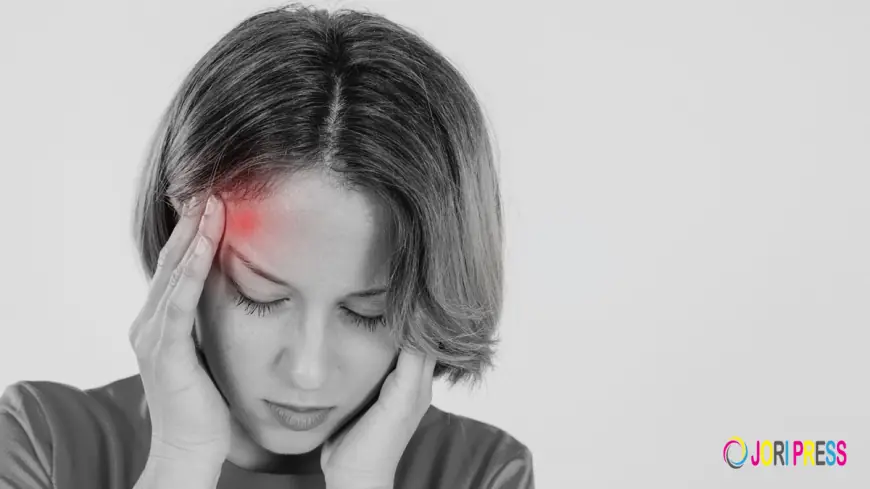
For many people, winter is a season of comfort and celebration—but for migraine sufferers, it can bring a surge in painful episodes. Cold weather, shorter days, disrupted routines, and lifestyle changes often make migraines more frequent and severe during the winter months. If you find yourself struggling with recurring headaches as temperatures drop, you are not alone. At the Neurology and Pain Management Clinic (NPMC), Dr. Gautam Arora, an experienced neurologist, offers expert care to help patients manage winter migraines effectively and regain control of their lives.
Why Do Migraines Worsen in Winter?
Winter creates several conditions that can trigger migraines. Sudden temperature changes affect blood vessels in the brain, causing them to constrict and dilate rapidly—an important factor in migraine development. Cold winds and low atmospheric pressure can also stimulate sensitive nerve endings around the head and neck.
Additionally, winter often disrupts daily routines. People tend to sleep more or less than usual, exercise less, skip meals, and consume more caffeine or comfort foods—all known migraine triggers.
Dry indoor air from heaters can cause dehydration, another major contributor to headaches. Reduced sunlight may also lower serotonin levels, a brain chemical linked to migraine regulation.
Common Winter Migraine Triggers
Some of the most frequent winter migraine triggers include:
- Cold exposure and chilly winds
- Sudden changes in temperature
- Dehydration due to dry air
- Irregular sleep patterns
- Stress and emotional fatigue
- Skipped meals
- Reduced physical activity
- Increased screen time indoors
These factors often work together, increasing the likelihood of repeated migraine attacks.
Symptoms That Should Not Be Ignored
Winter migraines often feel similar to regular migraines but may occur more frequently or last longer. Symptoms include:
- Throbbing or pulsating head pain
- Pain on one side of the head
- Nausea or vomiting
- Sensitivity to light, sound, or smell
- Neck stiffness or facial pressure
- Visual disturbances or aura
If migraines interfere with your work, sleep, or daily routine, a professional evaluation is essential.
Why Home Remedies May Not Be Enough
Many people rely on home remedies such as rest, warm compresses, hydration, or painkillers. While these can help mild headaches, chronic or recurring migraines often require specialised neurological care.
Overusing pain medications can even worsen headaches, leading to medication-overuse headaches. Without proper diagnosis, underlying neurological causes may remain untreated.
Dr. Gautam Arora emphasises that frequent migraines are a medical condition—not something to tolerate or self-manage indefinitely.
Expert Diagnosis at NPMC
At the Neurology and Pain Management Clinic, Dr. Arora begins with a detailed assessment of migraine patterns, triggers, lifestyle habits, and medical history. Neurological examination and, when necessary, imaging tests such as MRI scans are used to rule out secondary causes.
This thorough approach ensures accurate diagnosis and personalised treatment.
Advanced Treatments for Winter Migraines
Preventive Medications
These medications reduce the frequency and intensity of migraine attacks. They are especially helpful for patients experiencing migraines more than twice a month.
Acute Migraine Therapies
Specialized migraine medications can stop an attack once it begins, offering faster and more targeted relief than general painkillers.
Injection-Based Treatments
For chronic migraines, nerve block injections or botulinum toxin therapy can significantly reduce headache frequency by calming overactive pain pathways.
Pain Management Techniques
At NPMC, advanced pain management strategies focus on regulating nerve signals and restoring balance in the brain’s pain-processing systems.
Lifestyle Tips for Managing Winter Migraines
Dr Gautam Arora recommends:
-
Staying hydrated even when not feeling thirsty
-
Maintaining a consistent sleep schedule
-
Limiting caffeine and processed foods
-
Keeping warm in cold weather
-
Taking regular screen breaks
-
Practising stress management techniques
These habits enhance medical treatment and prevent seasonal flare-ups.
Why Choose NPMC for Migraine Care?
Under the expertise of Dr Gautam Arora, NPMC offers:
- Specialised neurological evaluation
- Evidence-based migraine treatments
- Personalised care plans
- Focus on long-term relief
The clinic treats not just symptoms, but the root cause of migraines.
Don’t Let Winter Control Your Health
Winter migraines can feel overwhelming, but they are manageable with the right care. Early diagnosis and expert treatment can significantly reduce pain and restore quality of life.
At the Neurology and Pain Management Clinic (NPMC), Dr. Gautam Arora helps patients stay headache-free—even in the coldest months.
What's Your Reaction?
 Like
0
Like
0
 Dislike
0
Dislike
0
 Love
0
Love
0
 Funny
0
Funny
0
 Angry
0
Angry
0
 Sad
0
Sad
0
 Wow
0
Wow
0