


































PRP Hair Treatment: Before and After Photos You Need to See
Wondering if PRP is right for you? Discover the top signs you may be an ideal candidate for hair restoration, skin rejuvenation, and joint healing. Learn more.

Are You a Good Candidate for PRP Therapy? Signs
Are you tired of watching your hair thin, seeing new fine lines appear, or feeling that nagging joint pain that just won’t quit? You’ve likely tried creams, supplements, and maybe even other treatments, but the results have been inconsistent or underwhelming. In your search for a solution, you’ve probably come across a promising three-letter acronym: PRP. But with so much information available, the central question remains: Is PRP therapy right for you?
Understanding whether you’re a good fit for Platelet-Rich Plasma therapy is the critical first step before investing in this innovative treatment. This guide isn’t just a list of benefits; it’s a detailed roadmap to help you identify the key signs that suggest you could be an ideal candidate. We’ll move beyond the hype and provide the clarity you need to have an informed, productive conversation with a specialist.
What Exactly is PRP Therapy?
Let’s demystify the science. Platelet-Rich Plasma (PRP) therapy is a cutting-edge, minimally invasive regenerative treatment that utilizes your body’s own innate healing mechanisms. The core principle is simple yet powerful: concentrate the natural growth factors in your blood and reintroduce them precisely where healing and rejuvenation are needed.
The Process, Simplified:
-
Blood Draw: A small amount of blood is drawn from your arm, similar to a routine lab test.
-
Centrifugation: The blood is placed in a specialized centrifuge that spins at high speed. This process separates the blood into its core components: red blood cells, platelet-poor plasma, and the crucial platelet-rich plasma.
-
Activation & Injection: The concentrated PRP is prepared and then skillfully injected into the targeted area—whether it’s your scalp, face, or an injured tendon.
Think of PRP as a "concentrated healing serum." Platelets are best known for clotting blood, but they are also powerhouses containing hundreds of bioactive proteins and growth factors. When injected in high concentrations, these growth factors (like VEGF, TGF-β, and PDGF) kickstart and significantly amplify your body’s natural repair processes. They stimulate stem cells, increase collagen production, enhance tissue regeneration, and improve blood supply to the area.
The Non-Negotiable First Step: A Professional Consultation
Before you evaluate any of the signs listed below, this point must be emphasized: A comprehensive, in-person consultation with a qualified and experienced medical professional is essential.
The "signs" outlined in this article are indicators, not a definitive diagnosis. A certified physician will:
-
Review your full medical and family history.
-
Conduct a thorough physical examination of the treatment area.
-
Discuss your expectations and treatment goals.
-
Rule out any underlying conditions that may be causing your symptoms.
-
Determine if PRP is the best option or if another treatment path is more suitable.
Self-diagnosis is never advised. The following information is designed to empower you with knowledge for that very consultation.
Top Signs You Might Be a Good Candidate for PRP Therapy
For Hair Restoration & Treating Hair Loss
If you’re concerned about thinning hair, PRP has emerged as a leading non-surgical treatment. Here are the signs it might work well for you.
1. You Have Early-Stage Androgenetic Alopecia (Male or Female Pattern Hair Loss).
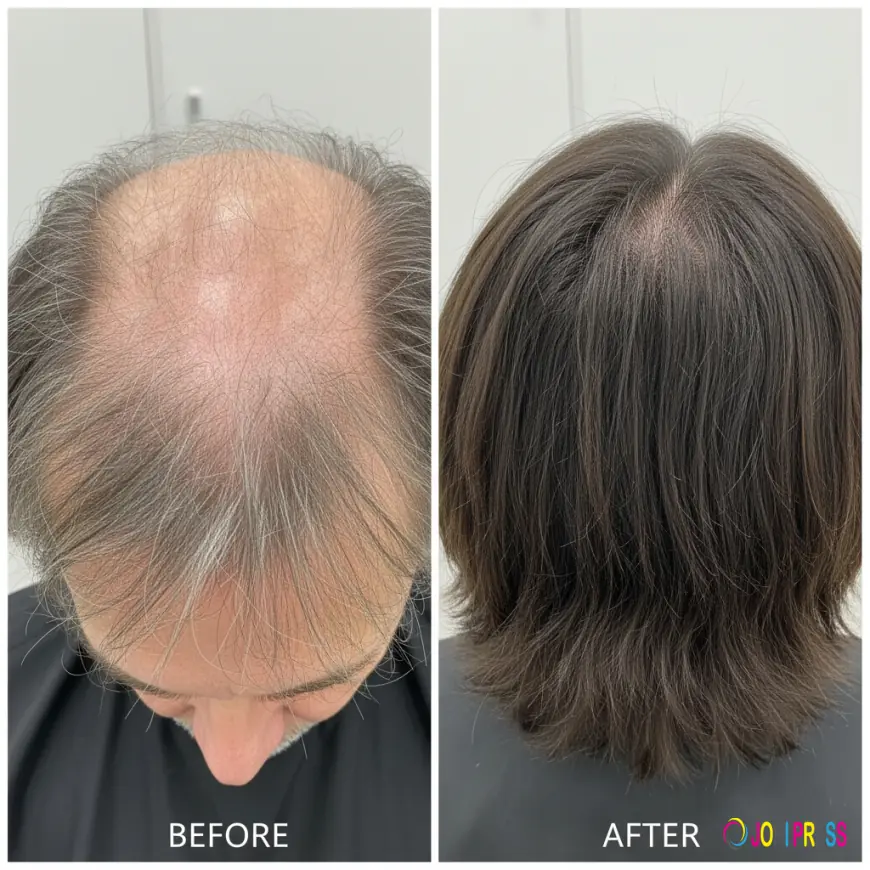
This is the most common scenario where PRP shines. If you’re noticing a gradually receding hairline, thinning at the crown, or a widening part, PRP can be highly effective. It works best when hair follicles are miniaturized but not entirely dormant or scarred. The growth factors in PRP can help revive these weakened follicles, prolong the growth phase, and thicken existing hair shafts.
2. You’re Experiencing General Thinning but Still Have Some Active Follicles.
PRP is not a hair transplant; it doesn’t create new follicles. Its power lies in reinvigorating what’s already there. A key sign of candidacy is the presence of "peach fuzz" or thin, vellus hairs in the thinning areas. These indicate that follicles are still alive and can potentially be rescued and strengthened with the right biological signals from PRP.
3. You Want a Natural, Surgery-Free Solution.
If you are hesitant about the permanence, cost, or invasiveness of a hair transplant, PRP offers a compelling alternative. It uses your own biological material, carries no risk of allergic reaction, and involves no major incisions or lengthy downtime.
4. You’ve Tried Topical Treatments with Limited or Unsatisfactory Results.
Many individuals start with over-the-counter solutions like minoxidil (Rogaine) but grow frustrated with the need for lifelong application, potential side effects like scalp irritation, or plateauing results. PRP can be an excellent next step or even a synergistic companion treatment, working on a deeper, cellular level to improve the health of the hair follicle environment.
5. You Are Looking for Preventative Treatment or Post-Transplant Support.
Even if significant thinning hasn’t begun, those with a strong family history of hair loss may use PRP as a preventative measure to maintain follicle health. Furthermore, PRP is often used after a hair transplant to accelerate healing in the recipient area, improve graft survival, and enhance the density and speed of new hair growth.
For Facial Rejuvenation & Skin Quality Enhancement (The "Vampire Facial")
The quest for youthful, radiant skin often leads to PRP, famously known as the "Vampire Facial." Here’s when it might be your ideal choice.
6. You Have Early to Moderate Fine Lines, Wrinkles, and Loss of Elasticity.
PRP is superb for addressing the signs of intrinsic aging—the gradual breakdown of collagen and elastin. It doesn’t "fill" lines like dermal fillers. Instead, it stimulates your skin to produce new, high-quality collagen over time. This leads to a natural, gradual improvement in skin tightness, smoothness, and a reduction in fine lines, particularly around the eyes and mouth.
7. You Want to Improve Overall Skin Texture, Tone, and Radiance.
If your concerns are less about deep wrinkles and more about dullness, rough texture, or uneven skin tone (mild hyperpigmentation), PRP can be transformative. The growth factors promote cellular turnover and improve microcirculation, resulting in a healthier, more vibrant, and "glowing" complexion.
8. You Are Seeking a "Liquid Facelift" or Preventative Anti-Aging Strategy.
For those not ready for surgery but wanting more than superficial creams can offer, PRP provides a middle ground—a "liquid facelift" that works from within. It’s also an excellent option for younger patients in their 30s and early 40s looking to proactively combat aging by boosting their skin’s baseline health and resilience.
9. You Have Mild Acne Scarring or Wish to Enhance Skin Healing.
PRP’s regenerative properties make it effective for remodeling scar tissue. For rolling or shallow boxcar acne scars, PRP can help soften edges and improve skin texture. Furthermore, when combined with microneedling (a technique often used to deliver PRP deeper into the skin), the results for scarring, large pores, and texture issues can be significantly amplified.
10. You Desire a Holistic, Natural Approach to Skin Health.
Unlike synthetic injectables, PRP is autologous (from your own body). If you prefer treatments that work in harmony with your biology and carry virtually no risk of rejection, PRP aligns perfectly with that philosophy. It’s about enhancing your skin’s own ability to repair and rejuvenate itself.
For Orthopedic & Musculoskeletal Healing
Beyond aesthetics, PRP is a respected tool in sports medicine and orthopedics. Look for these signs.
11. You Have a Chronic Tendon Injury That Hasn’t Healed.
Conditions like tennis elbow (lateral epicondylitis), golfer’s elbow, Achilles tendinopathy, and jumper’s knee are classic overuse injuries where the tendon’s natural healing capacity is overwhelmed. PRP delivers a high dose of healing factors directly to the damaged, degenerated tissue, often providing relief when rest, physical therapy, and anti-inflammatories have failed.
12. You Experience Mild to Moderate Osteoarthritis Pain.
For patients with knee, hip, or shoulder osteoarthritis, PRP injections aim to modify the disease environment. The growth factors can help reduce inflammation, protect remaining cartilage, and potentially stimulate the formation of healthier joint fluid. While not a cure, it can provide significant pain relief and improved function, delaying the need for more invasive interventions. A clinic offering advanced PRP treatment Sharjah will typically use ultrasound guidance to ensure precise placement of the plasma into the joint space for optimal results.
13. You Are an Active Person Wanting to Accelerate Soft-Tissue Healing.
From ligament sprains (like an ACL or MCL) to muscle strains, PRP can be used in acute injuries to potentially speed up the recovery timeline. By supercharging the initial inflammatory healing phase, it may help athletes and active individuals return to their sport or activity sooner and with stronger tissue.
Important Considerations: Who Might NOT Be an Ideal Candidate
Honesty and patient safety are paramount. PRP is not for everyone. A responsible physician will screen for the following contraindications:
-
Blood Disorders: Conditions like thrombocytopenia (low platelet count), hemophilia, or other clotting/bleeding disorders.
-
Active Infections or Illness: Including systemic infections, skin infection at the injection site, or active cancer.
-
Certain Medications: Specifically, blood thinners (anticoagulants) that cannot be paused, or long-term corticosteroid use.
-
Uncontrolled Chronic Diseases: Such as diabetes or autoimmune diseases, which can impair healing.
-
Pregnancy or Breastfeeding: As a precaution due to limited clinical studies in this population.
-
Unrealistic Expectations: PRP is a gradual process, not an instant fix. Multiple sessions (typically 3-4, 4-6 weeks apart) are required, with maintenance sessions recommended every 6-12 months.
It’s also crucial to note that PRP has specific applications. For instance, it is not a primary treatment for autoimmune skin conditions. Patients seeking solutions for depigmentation would need to consult a specialist for the best vitiligo treatment Sharjah, which may involve targeted phototherapy or other immunomodulatory approaches.
Similarly, for those looking to address other aesthetic concerns, such as removing unwanted ink, a comprehensive clinic might combine PRP for skin health with services from a leading tattoo removal clinic Sharjah as part of a holistic aesthetic plan.
The PRP Journey: What to Realistically Expect
If the signs align and you proceed after a consultation, here’s a typical roadmap:
-
Preparation: You may be advised to avoid anti-inflammatory medications (NSAIDs like ibuprofen) and blood thinners for a period before treatment, as they can interfere with platelet function. Staying well-hydrated is beneficial.
-
Procedure Day (60-90 minutes): The blood draw, centrifugation, and injection process is typically completed in one visit. Topical numbing cream is often applied for comfort, especially for facial or scalp treatments.
-
Downtime & Immediate Aftercare: There is minimal to no downtime. You may experience mild redness, swelling, or tenderness at the injection sites for 24-48 hours. You can usually resume normal, non-strenuous activities the same day.
-
The Results Timeline: Patience is key. This is a biological process.
-
Hair: Initial shedding (a positive sign of follicle cycling) may occur. New, thicker growth is often noticeable around 3-4 months, with continued improvement up to a year.
-
Skin: A subtle "glow" may be seen quickly, but true collagen remodeling begins at 4-6 weeks, with optimal results visible after 3 months and beyond.
-
Joints: Pain relief and functional improvement may begin within a few weeks, but the full regenerative effect unfolds over 2-3 months.
Conclusion: Your Next Step Toward Renewal
Recognizing the signs outlined above is the beginning of your journey, not the end. If you see yourself in several of these scenarios—whether you’re battling hair loss, seeking smoother skin, or dealing with a persistent injury—PRP therapy represents a powerful, natural, and scientifically-backed avenue worth exploring.
The most important sign of all is your willingness to take a proactive step for your well-being. By seeking knowledge, you’ve already done that. Now, the logical next step is to translate that knowledge into a personalized plan.
Ready to find out if PRP is your solution? Schedule a consultation with a trusted specialist. A qualified professional will provide the definitive answer, tailor a treatment protocol to your unique needs, and guide you toward achieving your goals for restored hair, revitalized skin, or a return to pain-free movement. Your body has an incredible capacity to heal; sometimes, it just needs a focused signal to begin.
What's Your Reaction?
 Like
1
Like
1
 Dislike
1
Dislike
1
 Love
1
Love
1
 Funny
0
Funny
0
 Angry
0
Angry
0
 Sad
0
Sad
0
 Wow
0
Wow
0