








































How Does an Industrial Steam Heat Pump Recover and Reuse Waste Heat?
Learn how a steam heat pump recovers waste heat, generates process steam, improves energy efficiency, and supports sustainable industrial operations.
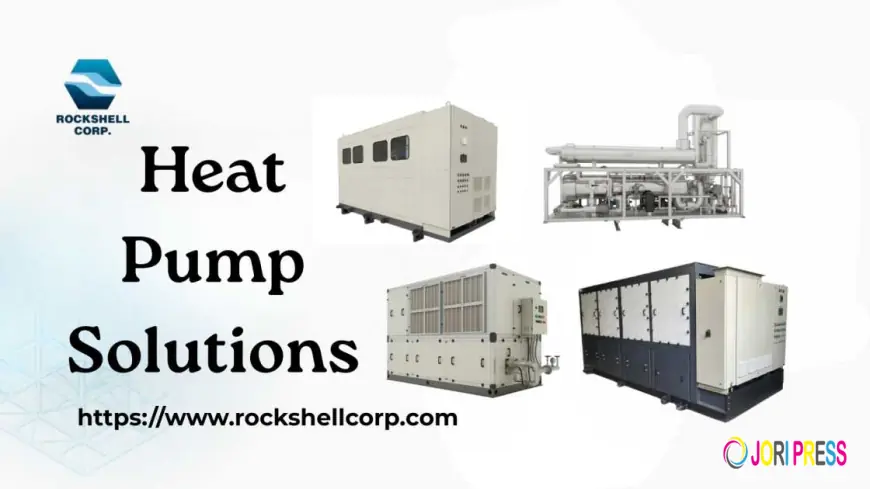
Energy efficiency has become a top priority for industries looking to reduce operating costs and improve sustainability. Many manufacturing facilities generate a considerable amount of waste heat during production, but much of this valuable energy goes unused. An advanced steam heat pump offers an effective solution by recovering low-grade waste heat and upgrading it into useful thermal energy for industrial processes. By reusing existing heat instead of generating it from conventional fuel sources, industries can lower energy consumption, reduce emissions, and improve overall process efficiency.
From food processing and pharmaceuticals to chemicals, textiles, and paper manufacturing, industrial steam heat pumps are helping businesses optimize energy use while supporting long-term sustainability goals.
How Does a Steam Heat Pump Work?
A steam heat pump is designed to capture low-temperature waste heat from industrial processes and convert it into high-temperature steam that can be reused within the facility. Unlike traditional boilers that generate heat by burning fuel, a steam heat pump transfers and upgrades existing thermal energy through a refrigeration cycle.
The process begins by collecting waste heat from sources such as process water, exhaust air, condensate, or wastewater. A refrigerant absorbs this thermal energy in the evaporator, where it changes into a vapor. The compressor then increases the pressure and temperature of the refrigerant, producing high-grade heat.
This upgraded heat is transferred through the condenser to generate steam or provide process heating. Once the heat is released, the refrigerant cools down, returns to its liquid state, and repeats the cycle. This continuous process allows industries to recover and reuse energy that would otherwise be lost.
Sources of Waste Heat in Industrial Facilities
Many manufacturing processes naturally produce excess heat that often escapes into the environment. Instead of allowing this energy to go to waste, industries can recover it and use it again with the help of a steam heat pump.
Common sources of waste heat include:
-
Hot process water
-
Boiler condensate
-
Cooling systems
-
Exhaust gases
-
Dryer exhaust air
-
Wastewater streams
-
Process ventilation systems
By recovering heat from these sources, industries reduce the need for additional energy generation while improving overall plant efficiency.
Integrating waste heat recovery systems into industrial operations also helps lower energy bills and maximize the utilization of existing resources.
Benefits of Reusing Waste Heat with Steam Heat Pumps
Recovering waste heat offers both economic and environmental advantages. Since a steam heat pump upgrades existing thermal energy instead of creating new heat through combustion, it consumes significantly less energy than conventional heating methods.
Some of the major benefits include:
-
Lower energy consumption
-
Reduced operating costs
-
Improved process efficiency
-
Higher overall plant performance
-
Reduced dependence on fossil fuels
-
Lower greenhouse gas emissions
-
Better utilization of available thermal energy
In addition, modern industrial heat pump systems provide stable steam generation, helping maintain consistent temperatures for critical manufacturing processes. This improves product quality while minimizing production interruptions.
Many facilities also experience lower maintenance costs because heat pumps have fewer combustion-related components compared to traditional steam generation equipment.
Applications Across Different Industries
Industrial steam heat pumps are highly versatile and can be used in a wide range of sectors where steam plays an essential role in production.
Some common applications include:
-
Food and beverage processing
-
Dairy manufacturing
-
Pharmaceutical production
-
Textile processing
-
Chemical manufacturing
-
Paper and pulp industries
-
Breweries and distilleries
-
Industrial cleaning and sterilization
These industries rely on steam for operations such as pasteurization, drying, evaporation, sterilization, washing, and process heating. By recovering waste heat and converting it into usable steam, businesses can improve productivity while reducing energy expenses.
Furthermore, steam heat pumps can often be integrated into existing industrial infrastructure, making them a practical solution for both new projects and plant modernization initiatives.
Supporting Sustainable Industrial Operations
As industries continue to focus on reducing energy use and improving environmental performance, waste heat recovery has become an essential part of sustainable manufacturing strategies. Recovering energy that would otherwise be discarded not only lowers operating costs but also helps businesses reduce their environmental impact.
Modern energy-efficient heating solutions support long-term operational goals by improving resource utilization and minimizing unnecessary energy consumption. Investing in technologies such as steam heat pumps enables manufacturers to achieve greater efficiency while preparing for future energy and sustainability requirements.
Conclusion
A steam heat pump provides an innovative way to recover and reuse waste heat that would otherwise be lost during industrial operations. By converting low-grade thermal energy into valuable process steam, these systems help industries reduce energy consumption, improve efficiency, lower operating costs, and support sustainability objectives.
As manufacturers continue to seek smarter and more energy-efficient heating solutions, steam heat pumps are becoming an increasingly valuable investment across multiple industries. If your facility is exploring ways to maximize waste heat recovery and improve process performance, consider evaluating advanced steam heat pump solutions that are designed to meet modern industrial heating requirements.
What's Your Reaction?
 Like
0
Like
0
 Dislike
0
Dislike
0
 Love
0
Love
0
 Funny
0
Funny
0
 Angry
0
Angry
0
 Sad
0
Sad
0
 Wow
0
Wow
0