




































600 kg Slurry Mixing Machine: Reliable, Consistent, and Built for Industrial Performance
A 600 kg slurry mixing machine is an industrial solution designed to produce consistent, high-quality slurry for foundry, ceramic, refractory, and investment casting applications. It handles heavy solid loads efficiently while maintaining uniform particle distribution, stable viscosity, and repeatable batch quality. The 600 kg capacity strikes a practical balance between productivity and control. It reduces batch frequency, improves process efficiency, and supports continuous manufacturing without sacrificing quality. Unlike conventional mixers, primary slurry mixers are engineered specifically for dense, abrasive slurries, with robust shafts, optimized agitator designs, wear-resistant construction, and reliable drive systems. These machines improve product consistency, lower material waste, and reduce long-term maintenance costs. With proper daily inspection, scheduled cleaning, and basic mechanical checks, they offer long service life and dependable performance. Choosing the right 600 kg slurry mixer depends on slurry composition, viscosity, production volume, and integration with existing systems. Proven solutions—such as primary slurry mixers from IC Machines—help manufacturers achieve stable, efficient, and quality-driven slurry preparation. In short, a 600 kg slurry mixing machine is a smart investment for industries that demand reliability, uniformity, and scalable production.

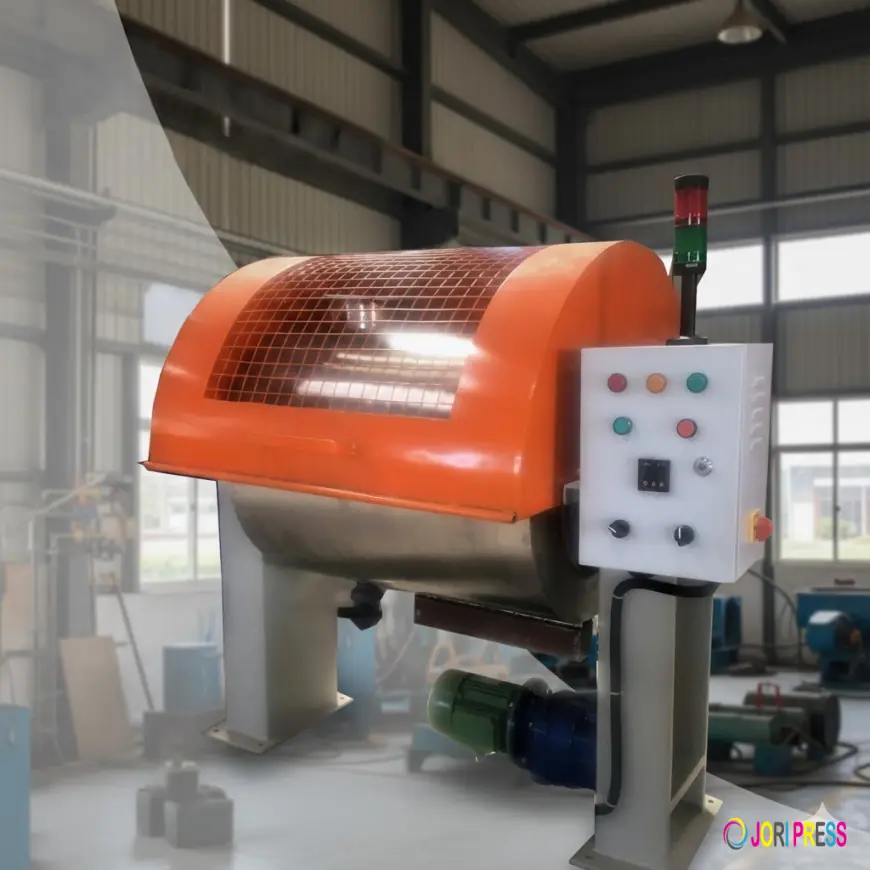
In today’s factories, steady results mean better output. If you're running a foundry, making ceramics, producing heat-resistant materials, or applying coatings, getting the mix right is key. The 600 kg mixer does just that - keeps every batch smooth and identical across big jobs, saving effort, power, and supplies. It works simply because it was built for one job: reliability without delays.
This piece shows what a 600 kg slurry mixer does, plus where it’s most useful - hinting that makers now prefer tough main mixers when pumping out big batches. It dives into how they’re built, how they run, how to keep them going strong, along with smart picks based on actual shop-floor demands instead of flashy sales talk.
What Is a 600 kg Slurry Mixing Machine?
A 600 kg slurry mixer blends solids and fluids into a uniform mixture - each batch can weigh as much as 600 kilos. Since it handles thick, gritty, or delicate mixes, engineers rely on it when accuracy matters.
A 600 kg slurry mixer works nonstop, unlike smaller lab or batch versions - so it keeps up with constant output needs. Because it manages heavy material amounts while staying consistent, industries rely on it when pouring or covering surfaces at scale.
Primary slurry blenders - such as models from IC Machines - are built tough, blend precisely, yet deliver consistent results every time around.
Why 600 kg Capacity Matters in Industrial Mixing
Picking 600 kg isn't random. That size works well - neither too small nor too big - for moving from hand-mixed batches up to full auto systems.
· Here’s why manufacturers prefer this size:
· It cuts down on constant shift swaps
· It boosts how steady a process runs
· It reduces how much manpower is needed
It fits smoothly into furnace operations - also works fine with casting timing; meanwhile, it matches up okay with molding schedules
A quick note: this 600 kg mixer keeps things running smooth while still nailing consistent results - stuff makers always care about, no matter what.
Core Industries That Use 600 kg Slurry Mixing Machines
A 600 kg slurry mixer works across many fields - where mixing quality changes how well the end result performs.
Foundry and Casting Operations
Foundries need steady slurry to shape shell molds, plus keep ceramic cores stable - also affects coating quality. If it’s off even a bit, flaws pop up like cracks or uneven layers, which messes up castings.
· A basic slurry mix machine works like this:
· Uniform particle suspension
· Controlled viscosity
· Stable coating behavior
· Ceramic and Refractory Manufacturing
In ceramic slip casting or refractory coatings, how evenly particles spread affects how strong the final piece turns out. One 600 kg mixer handles slurry prep on its own, no hands needed.
Investment Casting Facilities
Investment casting relies on ceramic mixes that must stay within tight specs - going off track leads to broken shells. Tough industrial blenders handle the challenge by tweaking stir speed and container shape now and then.
How a 600 kg Slurry Mixing Machine Works
The way it works is straightforward - yet pulling it off needs exact technical skill.
Step 1: Material Loading
Workers pour powders and wet ingredients into the mixer based on set amounts. Some setups add materials step by step to spread them out more evenly.
Step 2: Controlled Agitation
A heavy-duty mixer spins just right to keep stuff mixed well. Instead of clumping, the shape of the blades keeps everything moving - no spots where gunk piles up.
Step 3: Homogenization
The mixer keeps shearing steadily, smashing lumps while spreading particles evenly. Because mixing lasts just right, the slurry flows predictably later on.
Step 4: Discharge or Circulation
The completed mix flows into holding tanks or production routes. Meanwhile, certain setups keep it moving nonstop so particles don't sink.
This method keeps things steady - both in strength and mix - which shapes how good the end result turns out.
Design Features That Define a High-Quality Slurry Mixer
Some slurry mixers work better than others. Good ones usually have certain smart design features.
Heavy-Duty Mixing Shaft
A strong shaft holds its shape even under heavy load - key when moving thick, gritty mixtures during extended runs. That kind of durability makes a difference over time.
Optimized Agitator Geometry
Blade shape along with tilt changes how mix moves around. Right design stops gunk from settling while cutting down power loss.
Wear-Resistant Construction
Slurry in factories grinds down parts fast. So good makers pick tough linings that resist damage, lasting way longer.
Stable Drive System
A solid gear-and-motor setup holds steady speed. When blending slurry, uneven pace means uneven results.
Most slurry blenders come with these parts built in, instead of bolting them on later.
Advantages of Using a 600 kg Primary Slurry Mixer
Time to skip the specs - see how it actually works out there.
Consistent Product Quality
A steady mix gives even layer depth, along with reliable drying patterns and a smooth end look. That stable output means fewer parts get tossed.
Improved Process Efficiency
Larger batches mean fewer breaks between runs. So operators aren't stuck starting things over - they stay focused on making product instead.
Lower Long-Term Maintenance
A good mixer under load runs smoother, so there’s less strain on its parts. This means fewer repairs over time because wear slows down.
Reduced Material Waste
Still, blending helps cut waste from uneven mix flow. Eventually, those cuts add up to big gains.
Primary Slurry Mixers vs Conventional Mixers
Quite a few makers switch up their mixers once they keep facing problems with performance.
· Feature
· Conventional Mixer
· Primary Slurry Mixer
· Load handling
· Limited
· Built to handle thick slurry
· Mixing uniformity
· Variable
· Highly consistent
· Wear resistance
· Moderate
· Industrial-grade
· Process reliability
· Average
Production-focused
A 600 kg main mixer works well on assembly belts where steady performance matters more - though it’s less adaptable for testing new setups.
Maintenance Best Practices for Long-Term Performance
Even top-notch slurry mixers need regular attention. Luckily, upkeep stays simple if done on time.
Daily Visual Checks
Watch for odd shakes, sounds, OR wet spots leaking out. Spotting them early stops worse breakdowns.
Scheduled Cleaning
Leftover mix dries fast. So, wipe it down now and then to keep things running right.
Bearing and Seal Inspection
Slurry getting in harms seals when overlooked - yet quick checks boost durability.
Motor and Gearbox Monitoring
Steady pressure keeps the motor safe. Small shifts usually mean something’s off in the flow.
Folks who build stuff this way usually get their machines running smooth for ages.
How to Choose the Right 600 kg Slurry Mixing Machine
When picking a mixer, engineers need to check what the job requires - focus on needs beyond size.
Key considerations include:
· Slurry viscosity range
· Solid particle size
· Mixing frequency
· Environmental conditions
· Fits right into gear you already use
Teaming up with seasoned builders keeps machine plans tied to real-world manufacturing demands.
For makers looking into solid options, IC Machines' main slurry blenders provide a method tried in real factory settings - using gear that’s been pushed through actual production runs.
Compliance, Engineering Standards, and Process Reliability
Industrial slurry mixers usually stick to common mechanical rules plus safety codes found in big production setups. Firms go by proven methods when it comes to:
· Mechanical strength calculations
· Fatigue life of spinning parts
· Rules for how well factory motors should work
· Operator safety guidelines
· These ideas fit well with common rules in manufacturing and mechanical engineering, often seen in foundry, ceramics, or casting work.
· You might check out advanced engineering methods talked about by groups like:
· American Foundry Society (AFS)
The Ceramic Society technical publications
Such references highlight that consistent materials matter a lot - reliable results depend on it. One thing’s clear: without steady methods, things fall apart quickly. Keeping processes under tight check? That makes or breaks outcomes in production settings.
Final Thoughts: Why a 600 kg Slurry Mixing Machine Is a Smart Investment
A 600 kg slurry mixer doesn't just blend stuff - instead, it keeps output steady, boosts consistency, while shielding later stages from breakdowns.
Folks making stuff that spend on solid first-stage slurry blenders get -
· Predictable results
· Lower scrap rates
· Better product confidence
· Long-term cost efficiency
In today’s tough industry world, steady results aren’t a choice. When built right, a slurry mixer delivers reliable batches - no extra hassle involved.
If your setup needs top-notch slurry, going with a trusted main mixer makes solid sense - especially when you're planning ahead. While reliability matters now, picking gear that lasts pays off later through smoother runs and fewer hiccups down the line.
What's Your Reaction?
 Like
0
Like
0
 Dislike
0
Dislike
0
 Love
0
Love
0
 Funny
0
Funny
0
 Angry
0
Angry
0
 Sad
0
Sad
0
 Wow
0
Wow
0