








































3D Wall Panel Installation: Transforming Ordinary Walls into Stunning Interior Features
3D Wall Panel Installation

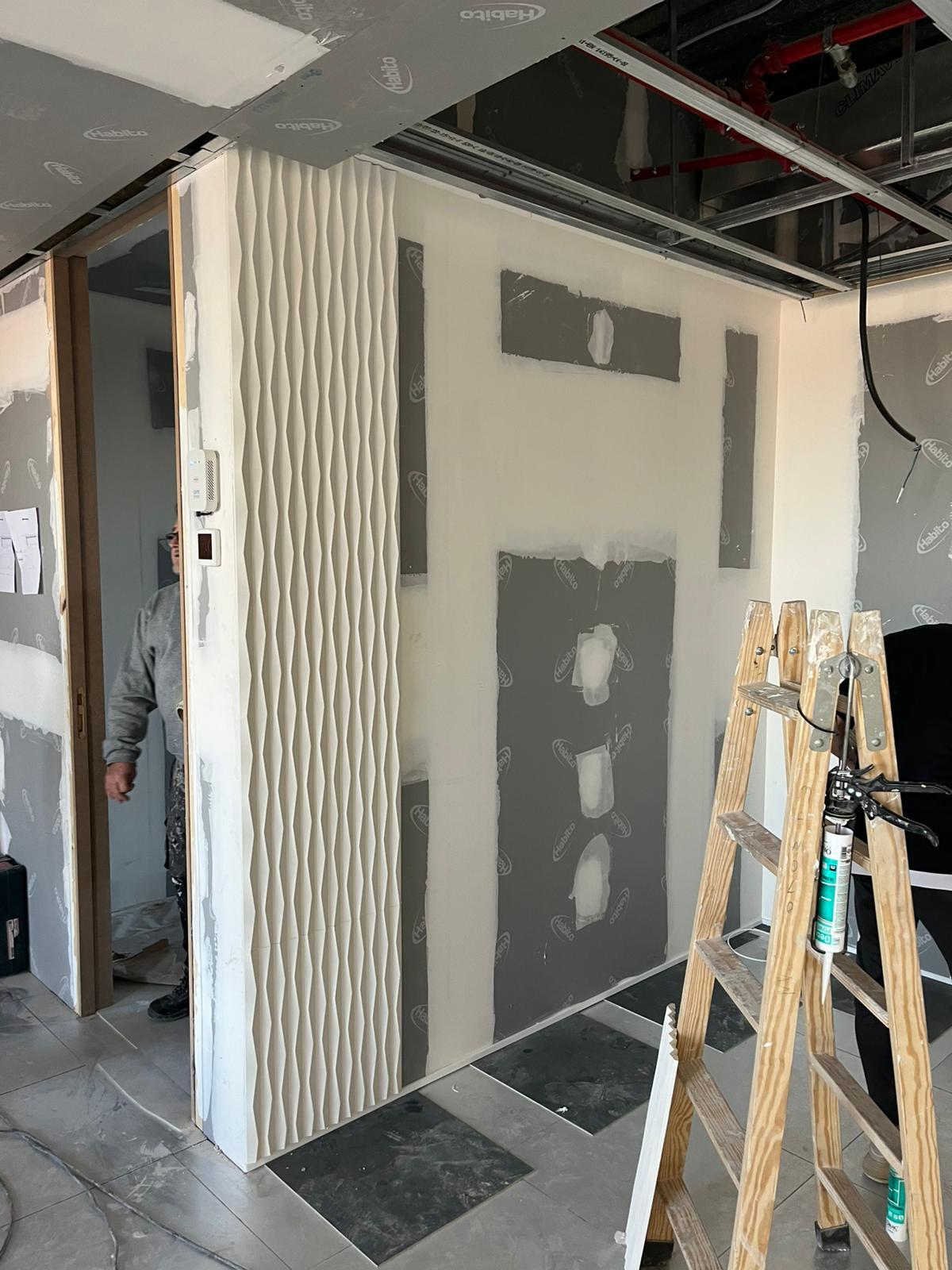
Interior design continues to evolve as homeowners and commercial property owners look for creative ways to make their spaces more attractive, comfortable, and distinctive. Walls play an important role in defining the appearance of any room, yet they are often overlooked during renovation projects. One increasingly popular solution is 3D Wall Panel Installation, which adds depth, texture, and visual interest to otherwise ordinary surfaces.
Unlike traditional wall paint or flat wallpaper, three-dimensional panels introduce patterns and raised designs that create a noticeable architectural effect. Whether used in living rooms, bedrooms, offices, reception areas, or commercial interiors, these panels offer an effective way to enhance the overall atmosphere without undertaking a complete structural renovation.
What Makes 3D Wall Panels a Popular Interior Design Choice?
Three-dimensional wall panels are decorative coverings designed with raised patterns, geometric shapes, textured surfaces, or artistic details. They are available in various materials, including PVC, MDF, wood, gypsum, and polyurethane. Each material offers different characteristics, allowing property owners to select an option that complements their interior style and practical requirements.
Their popularity comes from their ability to transform plain walls into attractive design features. A carefully selected panel can create a luxurious appearance, introduce a modern architectural element, or add warmth to a minimalist environment.
Another advantage is design flexibility. From subtle textures to bold geometric patterns, there are numerous options to suit different preferences. This versatility makes decorative panels suitable for both residential and commercial applications.
Understanding the 3D Wall Panel Installation Process
Professional installation involves more than simply attaching decorative panels to a wall. Proper preparation, accurate measurements, careful alignment, and suitable installation materials are essential for achieving a clean and long-lasting finish.
The process generally begins with an inspection of the existing wall surface. Installers check for uneven areas, moisture problems, loose paint, cracks, and other conditions that could affect adhesion. Addressing these issues before installation helps prevent future complications.
Once the surface is ready, measurements are taken to determine the required panel arrangement. This stage is particularly important when working with repeating patterns, decorative features, or symmetrical designs. Accurate planning minimizes unnecessary material waste and ensures that the finished installation looks balanced.
The panels are then cut according to the required dimensions and attached using suitable adhesives, fasteners, or installation systems recommended for the selected material. Finally, installers inspect the completed surface, adjust visible joints where necessary, and ensure that the overall appearance meets the desired standard.
Choosing the Right Material for Your Walls
Selecting suitable materials is one of the most important decisions in any decorative wall project. Different panel types offer different advantages depending on the location, design requirements, and expected maintenance.
PVC wall panels are lightweight, versatile, and generally easy to maintain. Their resistance to moisture makes certain products suitable for areas where humidity may be a concern, provided they are designed for that application.
MDF wall panels offer a smooth surface that works well with painted finishes and decorative designs. They are commonly used in bedrooms, living spaces, and feature walls where a refined appearance is desired. However, moisture exposure should be carefully considered when selecting MDF products.
Wooden wall panels introduce natural warmth and texture. They are particularly attractive in contemporary, rustic, and traditional interiors. Depending on the wood species and finish, they can create anything from a subtle decorative effect to a dramatic statement wall.
Gypsum and polyurethane panels provide additional design possibilities, including intricate patterns, decorative mouldings, and sophisticated architectural details. Their suitability depends on the specific product and installation environment.
Benefits of Professional Wall Panel Installation
Although some decorative panels are marketed as DIY-friendly products, professional installation can make a significant difference in the final result. Experienced installers understand how to handle different materials, prepare surfaces, and maintain consistent spacing throughout the project.
One major benefit is precision. Uneven panel placement, poorly aligned patterns, and visible gaps can reduce the visual impact of an otherwise attractive design. Professional workmanship helps achieve cleaner lines and a more consistent finish.
Durability is another important consideration. Correct adhesive selection, appropriate fixing methods, and proper surface preparation help reduce the risk of loose panels or premature damage.
Professional installation can also save time. Instead of dealing with repeated measurements, cutting mistakes, and installation difficulties, property owners can rely on skilled workers to manage the process efficiently.
Creative Ways to Use 3D Wall Panels
Decorative wall panels can be incorporated into almost any interior where an additional design element is desired.
In living rooms, a textured feature wall behind the television or sofa can become the focal point of the space. Geometric patterns and modern finishes work particularly well in contemporary interiors.
Bedrooms can benefit from decorative panels installed behind the headboard. Soft-looking textures, wooden finishes, and elegant patterns help create a comfortable and visually balanced environment.
Commercial spaces also offer excellent opportunities for creative applications. Reception walls, office meeting rooms, retail displays, restaurants, and hospitality interiors can all benefit from distinctive wall treatments.
For smaller spaces, lighter colours and subtle patterns may help maintain an open appearance. Larger rooms can accommodate more dramatic textures and contrasting finishes without making the environment feel overcrowded.
Preparing Your Space Before Installation
Good preparation contributes significantly to the success of a wall panel project. Before installation begins, furniture should be moved away from the working area, and decorative items should be removed from the walls.
The surface should be clean, dry, and suitable for the selected installation method. Any existing moisture problems should be resolved before covering the wall. Installing panels over damp or damaged surfaces can lead to adhesion problems and deterioration.
It is also helpful to finalize the panel design, colour, layout, and lighting arrangements in advance. Natural and artificial lighting can influence how raised patterns and textured finishes appear throughout the day.
Discussing these details with an experienced installation professional helps avoid unnecessary changes once the project has started.
Maintaining Your Decorative Wall Panels
Regular maintenance helps preserve the appearance of decorative wall panels. Most products require relatively simple cleaning, although the recommended method depends on the material and manufacturer's instructions.
Dust can generally be removed using a soft cloth or suitable cleaning attachment. For washable surfaces, a slightly damp cloth may be sufficient to remove everyday marks. Abrasive cleaners and excessive moisture should be avoided unless specifically permitted by the manufacturer.
It is also worth inspecting panel joints and edges occasionally. Addressing minor issues early can prevent them from developing into larger maintenance problems.
Enhance Your Interior with the Right Installation Approach
A well-designed wall can completely change how an interior looks and feels. 3D Wall Panel Installation moldurasfaurdotcom provides an opportunity to introduce texture, architectural depth, and distinctive visual appeal without replacing existing structural elements.
From selecting the right material to planning the layout and completing the finishing details, every stage contributes to the quality of the final result. Choosing suitable products and experienced installation professionals helps ensure that decorative panels complement the surrounding interior while delivering lasting value.
What's Your Reaction?
 Like
0
 Dislike
0
 Love
0
 Funny
0
 Angry
0
 Sad
0
 Wow
0