



































Winter Safety Tips for Construction Workers: Essential Practices for Cold Weather
Winter introduces significant challenges for construction sites. Ice, snow, freezing temperatures, and reduced daylight increase the likelihood of accidents, material delays, and reduced productivity.

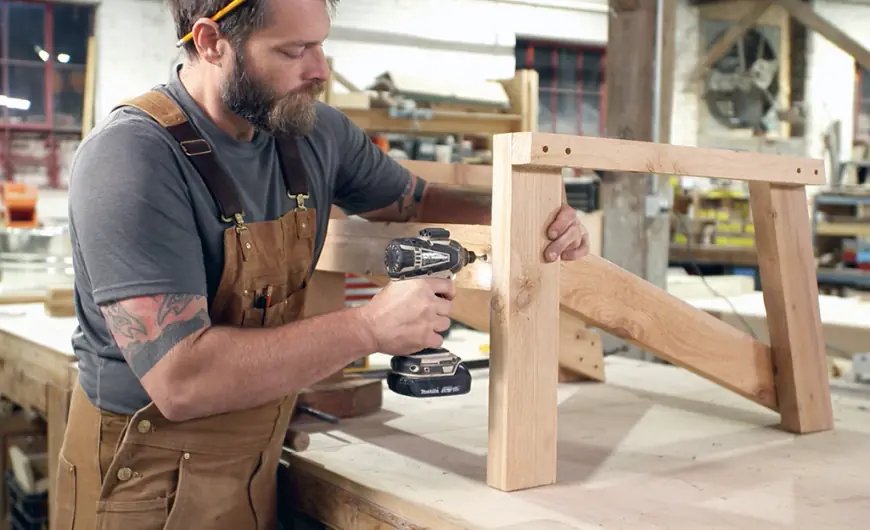
Winter introduces significant challenges for construction sites. Ice, snow, freezing temperatures, and reduced daylight increase the likelihood of accidents, material delays, and reduced productivity. Understanding winter safety tips for construction workers is essential to protect personnel, ensure project efficiency, and maintain safety standards.
Even experienced workers can underestimate the risks of winter conditions. This guide provides practical strategies that help construction teams stay safe and productive throughout the season.
Why Winter Safety is Vital
Winter weather affects construction work in several ways:
-
Slippery surfaces increase the risk of slips, trips, and falls
-
Cold stress, hypothermia, and frostbite can impair performance
-
Machinery and tools may perform inconsistently
-
Shorter daylight and poor visibility create hazards
-
Materials like concrete, metals, and adhesives behave differently in cold temperatures
Following proper winter safety tips for construction workers reduces injuries, prevents delays, and maintains work efficiency.
Dress Appropriately for Winter Conditions
Proper clothing is the first line of defense against winter hazards. Winter gear keeps workers warm, comfortable, and flexible for manual tasks.
Key recommendations:
-
Layered clothing for insulation and moisture control
-
Insulated gloves for warmth and grip
-
Waterproof, slip-resistant boots with thermal socks
-
High-visibility jackets to ensure safety in low-light conditions
Layering ensures workers remain warm while maintaining mobility and dexterity.
Maintain Safe Work Surfaces
Icy and snowy surfaces are a major hazard in winter. Keeping work areas safe reduces fall risks.
Practical tips:
-
Clear snow and ice from walkways and work areas
-
Use sand, salt, or anti-slip mats on slippery surfaces
-
Organize tools and materials to avoid tripping hazards
-
Install temporary walkways or coverings where water collects
Safe surfaces create a more predictable work environment and reduce the likelihood of accidents.
Plan Tasks Around Weather Forecasts
Winter weather can change suddenly, making schedule adjustments essential for safety.
Effective planning includes:
-
Performing high-risk tasks during warmer parts of the day
-
Allowing extra time for setup and cleanup
-
Rescheduling work during extreme weather
-
Scheduling warm-up breaks before demanding tasks
Proactive planning prevents rushed work and protects workers from exposure to hazards.
Maintain Tools and Machinery
Cold temperatures can negatively impact equipment performance, making maintenance critical.
Winter maintenance practices:
-
Store tools in dry, protected areas when not in use
-
Inspect machinery for cracks, rust, or damage
-
Keep cutting and drilling tools sharp
-
Warm up equipment before operation
Well-maintained tools reduce the risk of failure and accidents.
Improve Visibility on Site
Reduced daylight and foggy weather limit visibility. Proper lighting is essential for safety.
Visibility recommendations:
-
Install temporary lighting in work zones
-
Use reflective, high-visibility clothing
-
Keep walkways and work areas clear of obstacles
-
Schedule precision tasks during daylight hours
Clear visibility allows workers to identify hazards and complete tasks safely.
Provide Warm Break Areas
Cold exposure can reduce concentration, increase fatigue, and raise the risk of illness. Designated warm areas help workers recover and maintain focus.
Break area suggestions:
-
Heated trailers, tents, or cabins
-
Access to warm drinks and snacks
-
Scheduled breaks for warming up
-
Dry areas for changing wet clothing
These measures prevent hypothermia and improve morale during long shifts.
Train Workers on Cold-Related Illnesses
Education is a critical component of winter safety. Workers should recognize and respond to cold-related health risks.
Training should include:
-
Signs and symptoms of frostbite and hypothermia
-
Prevention strategies, including layering and hydration
-
First-aid procedures for cold-related emergencies
Well-informed workers can take immediate action to reduce risks.
Emergency Preparedness
Winter emergencies can happen unexpectedly. Being prepared ensures quick and safe responses.
Essential emergency items:
-
Extra warm clothing and blankets
-
First aid kits
-
Flashlights and extra batteries
-
Hot beverages and energy snacks
-
Emergency contacts and communication devices
Preparedness reduces risks and supports overall site safety.
Subtle Product Insights for Winter Construction
While this article emphasizes safety practices, quality construction products enhance winter site efficiency. JALFT offers durable tools and fasteners built for cold-weather conditions.
Our corrosion-resistant screws and heavy-duty fixings maintain performance even in wet or freezing environments. Ergonomic tools are designed for use with gloves, supporting precision and safety during winter operations. These solutions help teams maintain productivity and safety without feeling like direct product promotion.
Frequently Asked Questions (FAQs)
1. What are the most important winter safety tips for construction workers?
Dress appropriately, maintain surfaces, check equipment, ensure visibility, and plan around weather.
2. How does winter weather affect construction tools and machinery?
Cold reduces battery life, thickens fluids, and makes metal brittle. Regular maintenance is crucial.
3. Why is high-visibility clothing necessary in winter?
Limited daylight and fog increase accident risks; reflective clothing improves safety.
4. What should a winter emergency kit contain?
Warm clothing, blankets, first aid supplies, flashlights, hot drinks, and emergency contacts.
5. How often should workers take breaks in winter?
Frequent, short breaks help maintain body warmth and prevent cold stress.
6. What gloves and boots are recommended for winter construction?
Insulated gloves and waterproof, slip-resistant boots.
7. Should work schedules be adjusted in winter?
Yes, scheduling should consider weather conditions to reduce exposure to hazards.
8. How can icy surfaces be managed safely?
Clear snow and ice, apply sand or salt, and use anti-slip mats in high-traffic areas.
9. How can workers prevent frostbite and hypothermia?
Wear proper layers, take breaks in warm areas, stay dry, and monitor for early symptoms.
10. Are heated break areas necessary on small construction sites?
Yes, even small sites benefit from warm areas to maintain safety and morale.
Visit our shop - jalft.com
What's Your Reaction?
 Like
0
Like
0
 Dislike
0
Dislike
0
 Love
0
Love
0
 Funny
0
Funny
0
 Angry
0
Angry
0
 Sad
0
Sad
0
 Wow
0
Wow
0